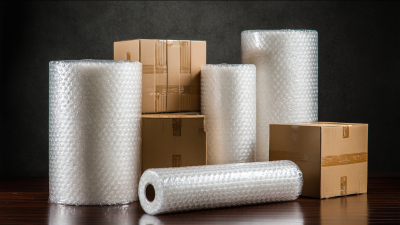
Warehouse space stuff can get pretty pricey, especially when you're dealing with rolls, sheets, and loose Packing Materials all fighting for the same shelves. This guide, ‘10 Tips to Minimize Warehouse Storage for Void Fill,’ goes over some practical ways to cut down on that clutter without sacrificing how well your packages stay protected. The point isn’t to toss cushioning blindly—it’s about choosing the right material, the right amount, and the best storage method for each shipment.
Teams can really cut down on storage needs by measuring their carton sizes, reevaluating how they pack, and setting clear reorder points. For example, Paper Void Fill is pretty handy because it can be stored in compact rolls or folded bundles, making it easy to tuck away. Having a wall-mounted dispenser at the packing station might also help keep materials off the floor and within easy reach. Sometimes, small tweaks—like a narrow shelf—can make a big difference in moving around the space more smoothly.
But here’s the thing—relying on quick space-saving tricks alone won’t cut it long-term. Warehouse managers should compare things like storage volume, how fast they can dispense materials, the amount used, and damage rates over a few weeks. Sure, a new setup might look good on paper or work initially, but peak-season orders can really reveal its flaws. I saw this happen in a packing area I checked out—it saved space but ended up slowing down replenishment. The layout needed some tweaks. Real-world experience includes these kinds of setbacks—things don’t always go perfectly, and that’s okay.
These tips are all about making measurable improvements—safer handling, better workflows, and practical changes. But remember, every warehouse is different: carton shapes, order volumes, staffing levels—all play a role. What works in a small e-commerce warehouse might flop in a busy distribution center. So, test things out carefully, keep good records, and don’t try to do everything at once. Improve little by little—that’s the way to go.

Understanding Void Fill and Its Role in Warehouse Storage
10 Tips to Minimize Warehouse Storage for Void Fill
Understanding Void Fill and Its Role in Warehouse Storage
Void Fill protects products from movement, impact, and crushed corners during transit. It also consumes valuable warehouse space when stored poorly. The challenge is balance. Too little protection creates damage claims; too much increases handling time and material waste. The Pitney Bowes Parcel Shipping Index reported 161.8 billion parcels worldwide in 2022. That volume makes small packaging decisions operationally significant.
Start by measuring the empty space inside common cartons. Record the average fill ratio, material used, and damage rate. Then apply ten practical controls: standardize carton sizes, store rolls vertically, compress loose paper, use stackable bins, place fast-moving materials near packing stations, set minimum and maximum stock levels, reuse clean incoming materials, train packers by product type, review seasonal demand, and audit unused space weekly. Label each storage location clearly. A full shelf is not always efficient.
The U.S. Environmental Protection Agency reported 82.2 million tons of containers and packaging waste in 2018, with a 28.1% recycling rate. This supports careful material selection, but recycling alone cannot fix poor storage design. In one packing area, a narrow rack may hold more usable stock than a deep pallet position. Measure it. Do not assume. Void Fill decisions should reflect product fragility, carton dimensions, picking frequency, and carrier handling. I have seen teams reduce material storage, then discover higher damage rates. That mistake deserves review. Performance data must guide every adjustment.
Auditing Current Void Fill Inventory and Usage Patterns
Auditing current void fill inventory starts with a physical count, not a spreadsheet. Photograph each storage location, record material type, roll length, carton size, and damaged stock. Measure weekly withdrawals for at least four weeks. The U.S. Environmental Protection Agency reported 82.2 million tons of containers and packaging in U.S. municipal waste in 2018. That figure shows why small packaging decisions deserve attention. Parcel demand also keeps audits relevant. The Pitney Bowes Parcel Shipping Index recorded 161.8 billion parcels worldwide in 2022.
Look for patterns by shift, product family, carton size, and packer. A simple usage rate can expose excess: material consumed per order, by cubic volume shipped. Compare this rate with damage claims and rework. Less fill is not automatically better. A box with excessive empty space may need more material, while an overfilled box can delay packing and increase product pressure. Keep separate counts for opened rolls, partial bags, and obsolete formats. These are often invisible losses.
Interview the people who pack orders. They know where the audit is wrong. Review two weeks of exceptions, then test a smaller storage area. Track stockouts, emergency purchases, and average days on hand. A useful target is not the lowest inventory. It is reliable protection with fewer idle materials. Some records will conflict. Investigate them. That discomfort can reveal inconsistent measuring, rushed packing, or a policy nobody follows.
Setting Reorder Levels Based on Packaging Demand
Reorder levels for void fill should follow packaging demand, not guesswork. In a busy warehouse, paper, air cushions, and molded inserts can disappear unevenly. A small parcel may use one handful, while a fragile order needs three. Record usage by order type for at least four weeks. Include daily issues, damaged stock, and emergency purchases. This creates a usable demand baseline.
Set a reorder point with this formula: average daily consumption multiplied by supplier lead time, plus safety stock. If the team uses 18 units daily and replenishment takes five days, demand reaches 90 units. A 20-unit buffer sets the reorder level at 110. Keep the calculation visible near the packing station. Review it every month, especially before seasonal sales. Demand can change quickly.
Storage limits still matter. Assign separate bins for each void-fill type, and mark maximum quantities on their labels. Use a two-bin signal when one bin empties. It reduces counting errors and protects packing speed. However, the buffer should not become a hiding place for poor forecasting. Last month’s spike may reflect one unusual shipment, not a new normal. I would test the level for two weeks, compare actual usage, then adjust it. Perfect numbers are unlikely; honest records are more useful.
Choosing Space-Efficient Void Fill Materials
Choosing Space-Efficient Void Fill Materials
Choosing space-efficient void fill materials starts before packing. Measure how much shelf and floor space each option consumes. Inflatable film arrives compact, then expands at the Void Fill Machine near the packing station. One small roll can replace several cartons of preformed cushions. Paper systems also store efficiently when supplied in narrow rolls. However, paper needs dry storage and enough clearance for dispensing. Moisture changes its handling.
Compare storage volume, output speed, protection, and disposal requirements. Record how many parcels one roll or paper pack supports. A material that saves shelf space may create more waste if operators overfill cartons. Use the smallest effective cushion, not the most generous one. Test different carton sizes with real products, including fragile corners and uneven shapes. A short drop test can reveal shifting that looks harmless during packing.
I once approved a compact material after a quick trial. The result looked efficient, but the roll changed too often during peak hours. That mistake increased walking time and slowed dispatch. Recheck replenishment frequency. Keep high-use materials close to pack stations, while storing reserve stock vertically when safe. Watch for static, dust, noise, and operator fatigue. Space efficiency matters, but packing quality still comes first. Test again.
Standardizing Packaging Procedures to Reduce Material Waste
Standardizing packaging procedures can reduce warehouse storage pressure and material waste. In daily operations, inconsistent box selection often creates half-empty cartons, tangled film, and overfilled void-fill bins. The U.S. Environmental Protection Agency reported 82.2 million tons of containers and packaging waste generated in 2018. That figure makes small process decisions worth measuring.
Tip 1: Create a carton-size matrix for common orders. Match product dimensions with approved box sizes, not personal preference. Tip 2: Set one target for empty space, such as two inches around fragile items. Tip 3: Store Air Pillow Void Fill in measured dispensers beside packing benches. This prevents uncontrolled pulling and reduces floor clutter. Label each dispenser clearly. Keep it simple.
Tip 4: Standardize the packing sequence with a short visual guide. Show product placement, void-fill quantity, sealing pressure, and a final shake test. Tip 5: Weigh sample parcels each week. A sudden weight increase may reveal excessive material use or poor carton selection. According to the World Packaging Organisation’s 2022 report, packaging performance increasingly depends on resource efficiency and better system design. Still, one standard will not fit every product. We learned that the hard way. Oversized items, seasonal peaks, and new staff can expose gaps. Review the procedure monthly, record exceptions, and adjust the guide when evidence supports change.
10 Tips to Minimize Warehouse Storage for Void Fill - Standardizing Packaging Procedures to Reduce Material Waste
| No. | Packaging Procedure | Standardized Action | Key Metric | Current Level | Target Level | Expected Change | Measurement Method |
| 1 | Right-size shipping cartons | Assign the smallest approved carton that protects the product without compression or overfilling. | Average carton volume per order | 18.4 L | 14.0 L | 23.9% lower | Record carton length × width × height for each shipped order and calculate the monthly average. |
| 2 | Limit carton-size variety | Create a packaging matrix with six approved carton sizes based on product dimensions and order profiles. | Active carton SKUs | 12 sizes | 6 sizes | 50.0% fewer | Count carton sizes issued from inventory during the measurement period. |
| 3 | Set a void-fill allowance | Define a maximum void-fill quantity for each carton size and require supervisor approval for exceptions. | Void-fill material per parcel | 18 g | 12 g | 33.3% lower | Weigh void-fill material separately for a representative sample of 100 parcels per shift. |
| 4 | Use a pack-station decision guide | Post a visual flowchart showing carton selection, product placement, and the minimum required cushioning step. | Packaging procedure compliance | 62% | 95% | 33 percentage-point gain | Conduct weekly observations using a checklist covering carton choice, fill quantity, and closure method. |
| 5 | Standardize product orientation | Mark the preferred orientation for irregular, fragile, or stackable items to prevent unnecessary empty spaces. | Average pack time per order | 78 sec | 65 sec | 16.7% lower | Measure elapsed time from carton retrieval to sealed-carton completion across 100 comparable orders. |
| 6 | Replace loose fill with controlled formats | Use pre-cut paper pads, air cushions, or folded sheets in defined quantities instead of unmeasured loose material. | Void-fill material consumption | 180 kg / 10,000 orders | 120 kg / 10,000 orders | 33.3% lower | Compare weighed material issued by the warehouse with the number of completed outbound parcels. |
| 7 | Introduce reusable dunnage for internal moves | Use returnable totes, dividers, and washable pads for transfers between receiving, storage, picking, and packing. | Single-use protective material in internal handling | 420 kg / month | 250 kg / month | 40.5% lower | Track monthly receipts and issues of single-use protective materials used before final shipment. |
| 8 | Separate packaging inventory from product inventory | Store cartons and void-fill supplies in labeled locations with maximum and minimum stock levels. | Packaging storage footprint | 42 m² | 30 m² | 28.6% lower | Measure the floor area occupied by packaging materials, including aisles and required handling clearance. |
| 9 | Reuse clean incoming packaging | Inspect inbound cartons and protective materials, then approve suitable items for internal transfers or non-customer-facing use. | Recovered packaging utilization rate | 8% | 25% | 17 percentage-point gain | Divide the weight of approved reused material by the total eligible inbound packaging material collected. |
| 10 | Audit damage and fill performance together | Review material savings only when product protection remains acceptable and investigate any increase in shipping damage. | Transit-damage claim rate | 1.8% | ≤1.8% | No increase permitted | Calculate damage-related claims divided by total shipped orders and review results by carton size and product type. |
Measurement basis: four-week operational planning scenario covering 10,000 outbound parcels. Target changes are calculated from the stated current and target levels; actual results should be validated through warehouse measurements, packaging tests, and damage-rate monitoring.
Organizing Void Fill for Faster Access and Better Space Utilization
10 Tips to Minimize Warehouse Storage for Void Fill
Organizing Void Fill for Faster Access and Better Space Utilization
A well-organized Void Fill Material station can save more time than a larger packing bench. In daily warehouse work, delays often begin with misplaced rolls, loose paper, or half-empty bins. Store high-use materials between waist and shoulder height. Keep slower-moving supplies on upper shelves. This simple layout reduces reaching, searching, and unnecessary walking. Leave a clear path around the station. Safety and speed depend on it.
Use labeled containers for paper, air pillows, foam pieces, and reusable filler. Labels should face the operator, not the aisle. Divide each container by size or packing purpose. A shallow bin works well for small orders, while a covered rack protects bulkier material from dust and crushing. Keep one small reserve beside the station, but move overflow to a marked storage zone. Too much stock nearby creates clutter. I have seen teams lose minutes searching through “organized” piles.
Measure access time for one week. Record how long packers take to locate, refill, and discard Void Fill Material. A simple spreadsheet can reveal repeated bottlenecks. Review the layout after seasonal volume changes. The best arrangement is rarely permanent. We once placed reserve stock too far away, believing it would open floor space. It did, but refill trips increased. That mistake showed why space savings must be checked against real movement. Ask packers for feedback, then adjust one shelf or bin at a time.
Measuring Storage Savings and Improving Void Fill Management
Warehouse void fill is often treated as a consumable, not as stored inventory. That mistake hides costs. The U.S. Environmental Protection Agency reported that containers and packaging generated 82.2 million tons of municipal waste in 2018. Storage space matters before the material reaches a parcel.
Tip 1: Record weekly cubic volume, not just units. Tip 2: Measure each carton size. Tip 3: Track average fill percentage. Tip 4: Separate paper, air cushions, and recycled pads. Tip 5: Photograph crowded storage locations. A visible baseline helps. Our first count was wrong by 14%. That correction mattered. Use a simple formula: storage savings equals released cubic meters multiplied by monthly space cost. Include handling time and replenishment frequency. The 2024 MHI Annual Industry Report identified supply-chain technology investment as a continuing priority, supporting better measurement and inventory decisions.
Tip 6: Set minimum and maximum stock levels. Tip 7: Store high-use materials near packing stations. Tip 8: Review slow-moving void fill every month. Tip 9: Test right-sized cartons with real products. Tip 10: Compare damage rates before reducing material. The 2023 WERC DC Measures report emphasizes operational benchmarking, but local results can differ. Do not trust one calculation. Recheck after seasonal demand, supplier changes, and staffing shifts. A smaller storage footprint may create more labor or product damage. Measure the whole process.
10 Tips to Minimize Warehouse Storage for Void Fill
Measured storage reduction by management improvement, based on a 100 m³ baseline void-fill storage area.
The chart shows how practical controls can reduce space used for void-fill materials. Standardized purchasing, right-sized packaging, vertical storage, and inventory rotation typically deliver the largest space savings. Values represent the percentage reduction from the baseline storage footprint.
FAQS
It limits product movement, impact, and crushed corners during transit. Too little protection can increase damage claims. Too much consumes space.
Check empty space inside common cartons. Record fill ratios, material usage, and damage rates. Measure actual shelves, not assumed capacity.
Store rolls vertically, compress loose paper, and use stackable bins. Narrow racks may hold more usable stock than deep pallet positions.
Standardize common carton sizes around product dimensions. This reduces leftover space and limits unnecessary void fill. Perfect standardization may be unrealistic.
Place fast-moving materials near packing stations. Clear labels should identify every storage location. Shorter walks can improve packing speed.
Multiply average daily consumption by supplier lead time, then add safety stock. For example, 18 daily units over five days require 90 units.
Include normal usage, damaged stock, and unexpected demand. A 20-unit buffer creates a reorder level of 110 units in that example.
Set minimum and maximum quantities on labeled bins. Use a two-bin signal when one bin empties. Buffers should not hide weak forecasting.
Reuse clean and undamaged materials when product protection remains reliable. Inspect paper, cushions, and inserts before storage. Not everything is reusable.
Audit unused space weekly and review reorder levels monthly. Test unusual demand changes for two weeks before making permanent adjustments. Data can still mislead.
Conclusion
To Minimize warehouse storage for void fill, start by reviewing current inventory, usage patterns, and packaging demand. Identify which materials are used most often, remove obsolete or excess stock, and set practical reorder levels based on actual shipping activity. Choosing compact, space-efficient void fill materials can further reduce storage pressure while still protecting products during transit. Clear packaging standards also help employees use the right amount of material, preventing unnecessary waste and inconsistent consumption.
Organize void fill by material type, size, and frequency of use so it remains easy to access without occupying excessive space. Clearly labeled storage zones, vertical shelving, and regularly reviewed stock levels can improve both efficiency and capacity. Finally, measure storage savings, material usage, and packaging performance over time. These results can guide adjustments to purchasing, organization, and procedures, creating a more efficient void fill management system.