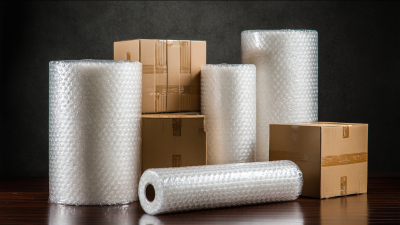
In the fast-changing world of packaging, picking the right Air Bubble Wrap is super important for both protecting your stuff and shipping it out safely. I remember hearing from John Smith, a well-known expert at Packaging Innovations, who said, 'Choosing the right Air Bubble Wrap can really make or break your product’s journey.' That’s such a good reminder of how crucial it is to understand all the options out there.
Now, when it comes to global buyers, they’re spoiled for choice. There are so many sizes and types of cushioning, and each one makes a big difference in keeping products safe. Smaller bubbles are great because they keep things lightweight, but bigger bubbles are better if you need to absorb more impact. Plus, the material’s thickness and how tough it is really play a role in making the right call. Honestly, it’s a pretty tricky market—pick the wrong type, and your goods might end up damaged.
And let’s not forget about sustainability. Not all Bubble Wraps are eco-friendly, even if they’re effective. It’s something buyers should think about—opting for recyclable or more sustainable options can make a real difference. Making smart, informed choices not only keeps your stuff safe but also helps protect the planet. At the end of the day, it’s all about finding that sweet spot between good performance and being kind to the environment.
The Importance of Air Bubble Wrap in Packaging Solutions
Air bubble wrap plays a crucial role in packaging solutions. It has become a staple in protecting goods during shipping and storage. According to a report by Smithers Pira, the global market for protective packaging is expected to grow to $40 billion by 2025. This growth underscores the importance of materials like air bubble wrap.
Using air bubble wrap reduces the risk of damage. Its lightweight structure provides cushioning, which absorbs shock. This feature is vital for fragile items, ensuring they arrive safely at their destination. However, relying solely on bubble wrap can lead to oversights. It’s essential to choose the right thickness and size based on the specific product.
Tips: Always test your Packaging Materials before large-scale use. Different items require varying levels of protection. Another key consideration is the environmental impact; biodegradable options are becoming more available. Balancing protection and sustainability can be challenging yet rewarding. In some cases, a combination of materials may offer better protection than bubble wrap alone. This evaluation process is crucial for ensuring effective packaging solutions.
Types of Air Bubble Wrap Available for Global Buyers
Air Bubble Wrap offers diverse options for various packaging needs. Thick or thin bubble wraps cater to the varying demands in shipping and storage. According to industry reports, the global bubble wrap market is projected to reach $6 billion by 2025. This growth highlights the importance of quality in air bubble wrap selection. Light-duty wraps are suitable for delicate items, while heavy-duty bubble wraps are ideal for heavier products.
Different sizes and bubble diameters create a range of protective capabilities. Standard 3/16-inch bubbles are popular for shipping, but larger 1-inch bubbles provide more cushioning. Research indicates that up to 30% of packaging defects arise from inadequate protection. Choosing the right type of Air Bubble Wrap can significantly mitigate these risks.
Recycled material options are increasingly available, addressing the sustainability concerns within the packaging industry. However, some buyers question their durability compared to traditional options. It's essential to consider both environmental impact and performance when selecting Air Bubble Wrap. Each type has its advantages, but the ideal choice often depends on specific shipping requirements.
Key Features to Look for in High-Quality Bubble Wrap
When selecting bubble wrap, key features greatly impact its effectiveness. Look for consistent bubble sizes. Larger bubbles provide more cushioning, while smaller ones are suitable for delicate items. Strong materials improve durability during transit. Thin bubble wrap may seem cost-effective, but it could lead to damage. High-quality options maintain consistent air retention.
Consider the size of the rolls. Longer rolls may be more economical for larger shipments. However, they are unwieldy for smaller tasks. Level of transparency matters too. Clear bubble wrap allows for easy scanning while packaging. Sometimes, opaque options might hide valuable items. Reflect on how the wrap's aesthetics affect your packaging strategy.
Check for eco-friendly materials. Sustainability is an essential consideration. However, they might not always match the protective qualities of traditional products. Be cautious of overly cheap options. They may lack reliability. Finding the right balance between quality and cost can often be challenging, yet it is essential for protecting your items during shipping.
Comparative Analysis of Leading Air Bubble Wrap Brands
The demand for air bubble wrap continues to rise as businesses seek reliable packaging solutions. A recent industry report indicated that the global bubble wrap market is expected to grow steadily, driven by e-commerce and shipping industries. Leading brands offer various types of air bubble wraps, each with unique features such as strength, thickness, and environmental impact. Comparative studies show that the durability of bubble wrap can significantly affect the protection it provides.
When selecting Air Pillow Bubble Wrap, consider not only cost but also the material quality. Some products use recycled materials, which may appeal to businesses aiming for sustainability. However, not all recycled bubble wraps deliver the same level of protection. It's crucial to balance eco-friendliness with performance. Choosing lower-quality options can result in product damage, leading to higher costs in the long run.
Tip: Always test samples before committing to a large order. This helps evaluate the bubble wrap's protective qualities. Additionally, consider your shipping volume. Overusing bubble wrap can lead to unnecessary waste. Finding the right balance is key for efficient packaging.
Sustainability Considerations in Air Bubble Packaging
Air bubble packaging has become an important player in sustainability discussions. According to a recent report by Smithers Pira, the global market for sustainable packaging is expected to grow to $500 billion by 2024. This rise emphasizes the need for eco-friendly materials in packaging. Traditional air bubble wraps often use non-recyclable plastics, contributing to landfill issues.
Efforts to create sustainable alternatives are underway. Companies are exploring bioplastics and recycled polyethylene (rPE) options. These materials can help reduce environmental impact significantly. For instance, using rPE can lower greenhouse gas emissions by over 30% compared to virgin plastic. While promising, challenges remain. Not all end-users are aware of these alternatives, creating a gap in adoption.
Consumer demand for environmental responsibility is crucial. A survey conducted by Nielsen revealed that 73% of millennials prefer sustainable packaging. However, while innovations are exciting, the transition to sustainable air bubble options requires more investment and consumer education. Balancing cost, effectiveness, and environmental impact remains complex. This uncertainty is an area where greater discussion is needed.
Cost Factors and Budgeting for Air Bubble Wrap Purchases
When considering air bubble wrap purchases, understanding cost factors is essential. Material quality plays a significant role in pricing. Higher-quality Bubble Wrap Air provides better cushioning but may come at a premium. Buyers must weigh durability against budget constraints. Thinner options can save money, but they might compromise protection.
Shipping costs also impact overall spending. Bulk purchases often reduce per-unit costs but require upfront investment. Some companies impose additional fees for large orders. These costs can catch buyers off guard. It's crucial to factor in storage space as well. Large rolls of Bubble Wrap Air can be cumbersome.
Different suppliers may offer varying prices. Researching multiple sources is a time-consuming task but necessary for informed decisions. Reading reviews from previous customers adds valuable insight. Seeking recommendations can help identify reliable options. The ultimate goal is to achieve a balance between cost and quality, ensuring products are well-protected during transit.
Tips for Proper Storage and Usage of Bubble Wrap Products
Using bubble wrap effectively requires understanding both its storage and application. Properly storing bubble wrap ensures it maintains its protective qualities. Always keep it in a cool, dry place. Avoid exposure to direct sunlight, as it can degrade the material. It's best to store rolls upright, preventing unwanted creases. Remember, a folded bubble wrap is not as effective in cushioning.
When using bubble wrap, the application matters. Wrap items firmly but not too tight. Too much pressure can burst the bubbles, reducing the cushioning effect. If you’re wrapping fragile items, consider adding an extra layer for added protection. Bubbles work best when in contact with the item’s surface. Use the side with bubbles facing in for optimal results.
In your quest to Wrap Bubble Wrap efficiently, remember small details can impact performance. Rely on your experience but stay open to adjustments. Time spent experimenting with techniques can lead to better outcomes. Use your judgment to assess the protection level needed for various items. These nuances contribute to the reliable use of bubble wrap, making a significant difference in safeguarding your belongings.
2026 Best Air Bubble Wrap Options for Global Buyers
| Type of Bubble Wrap | Bubble Size (inches) | Thickness (mil) | Roll Length (feet) | Ideal Use |
| Standard Air Bubble Wrap | 0.5 | 3/16 | 125 | General packaging |
| Anti-Static Bubble Wrap | 0.25 | 1/8 | 100 | Electronics packaging |
| Large Bubble Wrap | 0.75 | 1/2 | 50 | Moving heavy items |
| Biodegradable Bubble Wrap | 0.5 | 3/16 | 150 | Eco-friendly packaging |
| Custom Size Bubble Wrap | Varies | Varies | Varies | Special requirements |
Exploring the Impact of Automatic Bubble Film-Making Machines on Packaging Efficiency and Cost Reduction: Insights from Industry Analysis
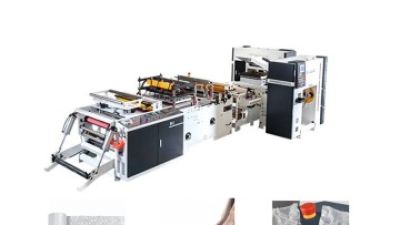
The Automatic Bubble Film-Making Machine represents a revolutionary advance in the packaging industry, providing significant enhancements in both efficiency and cost-effectiveness. This fully automated system is specifically designed to produce high-quality Air Bubble Quilt Film, achieving higher output rates than traditional machines. By integrating automation into the production process, businesses can significantly reduce labor costs and minimize the time it takes to produce bubble film, allowing for a more streamlined operation that enhances overall productivity.
Moreover, the unique features of this machine contribute to improved packaging efficiency. The automatic film roll ejection system, paired with the seamless insertion of new rolls, removes the need for manual interventions, further expediting the workflow. As a result, businesses can maintain continuous production runs without the delays often caused by manual processes. This efficiency translates into cost savings, as companies can allocate their resources more effectively while meeting increasing demands for packaged goods in a competitive market. Overall, the Automatic Bubble Film-Making Machine is an ideal choice for companies seeking to optimize their packaging processes and reduce operational costs.
FAQS
: Air bubble packaging plays a significant role in sustainability discussions. It affects landfill issues due to non-recyclable plastics.
Yes, companies are developing bioplastics and recycled polyethylene (rPE) as sustainable alternatives. They aim to reduce environmental impact.
Using rPE can lower greenhouse gas emissions by over 30%. This is a significant reduction compared to virgin plastic.
Not all end-users are aware of sustainable options. This knowledge gap hinders widespread adoption of these alternatives.
Consumer demand is crucial. A large percentage of millennials prefer sustainable packaging, influencing market trends.
Material quality plays a significant role. Higher-quality wraps are more expensive but offer better protection.
Shipping costs can significantly affect overall spending. Bulk purchases reduce per-unit costs but require upfront investment.
Different suppliers offer varying prices. Researching multiple sources helps make informed decisions and balances cost with quality.
Large rolls can be cumbersome and require adequate storage space. This factor should be included in budgeting considerations.
It’s vital to assess durability against budget constraints. Compromising on quality can lead to inadequate protection during transit.
Conclusion
Air Bubble Wrap serves as a vital component in packaging solutions, providing essential protection for fragile items during transit. This article explores the different types of Air Bubble Wrap available to global buyers, highlighting the importance of selecting high-quality options that offer robust cushioning. Key features to consider include the thickness, size of bubbles, and overall durability, which can significantly impact the effectiveness of the packaging.
Additionally, the article delves into sustainability issues related to Air Bubble Wrap, stressing the need for environmentally friendly practices in packaging. Cost factors are also examined, guiding buyers on budgeting for their Air Bubble Wrap purchases without compromising quality. Finally, practical tips for the proper storage and usage of bubble wrap products ensure that users can maximize their effectiveness, safeguarding items while being mindful of costs and ecological impact.