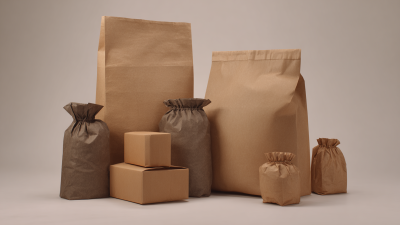
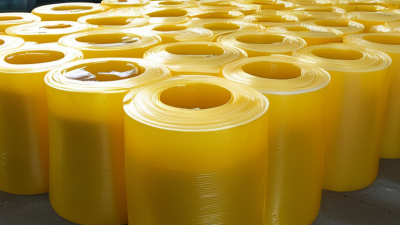
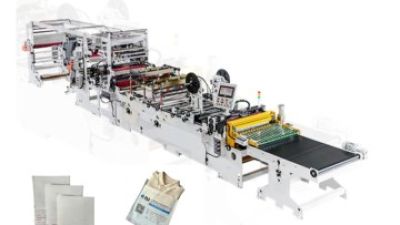
Choosing the right exporter for your global shipping bag machine isn’t just about comparing prices from catalogs. There’s a lot more to it—things like how stable the machine is, whether it works well with your film type, how quickly it can produce, how responsive the service team is, and the exporter’s overall experience in the market. A trustworthy supplier should be open about how their equipment handles recycled materials, differences in sealing, web tension, and how it adapts to varying bag sizes. All these little details really matter, especially when your factory is running these machines for long shifts making shipping mailers day in and day out.
I put together this guide reviewing seven of the top exporters—namely Windmöller & Hölscher, Starlinger, Lohia Corp, Polystar Machinery, Chia Ming Machinery, HCI, and CMD Corporation. I looked at them through practical lenses: how their equipment is designed, the level of automation, quality control measures, spare parts availability, installation support, and their reach in international markets. Marcus Lee, a Packaging Machinery expert I trust, reminds us: “A fast machine is great, but it’s only worth it if it’s stable enough to handle everyday production without hiccups.”
Sounds obvious, right? But here’s the thing—no company ranking is set in stone. Export capabilities can change, and factors like delivery times, local support, and technical teams might be different from project to project. Some manufacturers might be the best at high-volume polyethylene bags, while others could be more suitable for smaller converters who need flexible formats. So, before you pull the trigger on an order, it’s a smart move to ask for recent references, factory videos, test samples, and a clear maintenance plan.
And here’s a key point: the biggest exporter out there isn’t always the best choice. The real winner is the one that truly understands your specific needs—in terms of film structure, labor conditions, target markets, and future growth. Little things like a loose seal, delayed spare parts, or an unclear control screen can turn into costly headaches down the line. This guide is meant to be a starting point—something to help you get your bearings—but definitely take your time to verify details and make informed decisions along the way.
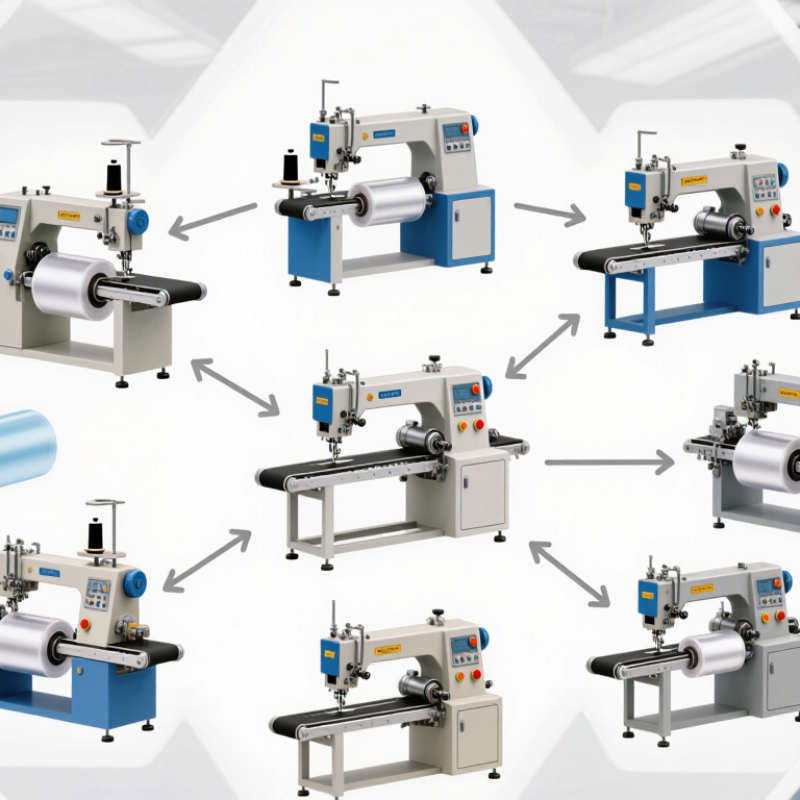
Global Shipping Bag Machines: Industry Scope and Applications
Global shipping bag machines support a broad packaging sector, from online retail to industrial distribution. They produce mailer bags, courier sacks, woven shipping bags, and protective outer packaging. Demand is rising as businesses seek lighter shipping materials and faster packing lines. However, machine selection depends on bag structure, film thickness, sealing method, and daily production volume.
Modern equipment can handle recyclable films, printed rolls, adhesive closures, and custom dimensions. Automated systems measure material, form bags, seal edges, and cut finished units with limited manual handling. In busy fulfillment centers, stable feeding and accurate temperature control matter more than impressive speed claims. Small converters may prefer flexible machines, while large plants often need continuous production and remote monitoring. The details matter.
Exporters serve different markets through technical consultation, installation support, spare parts, and operator training. A reliable supplier should explain energy use, maintenance intervals, accepted materials, and realistic output rates. Certification documents also require careful review. Marketing figures can look attractive, yet actual performance changes with film quality and bag design. This is where buyers need patience. A trial run using the intended material can reveal wrinkles, weak seals, or excessive waste before shipment. Even experienced teams can overlook cleaning access and changeover time. That oversight becomes expensive during peak season.
Key Criteria for Evaluating International Machine Exporters
When selecting global shipping bag machine exporters in 2026, buyers should assess evidence, not polished brochures. UNCTAD’s Review of Maritime Transport 2024 reported a 2.4% rise in seaborne trade during 2023. That growth increases pressure on packaging lines, spare parts, and delivery schedules. Ask exporters for factory acceptance records, production videos, and recent customer references. A reliable supplier should explain output speed, sealing accuracy, material limits, and expected maintenance intervals. Numbers matter.
Compliance deserves equal attention. Confirm electrical documentation, safety testing, user manuals, and installation procedures for the destination market. ISO 9001 certification can indicate controlled processes, but it does not prove machine performance. Request independent test results instead. For an Air Column Bag line, inspect film feeding, temperature control, air-pressure stability, and rejection rates. Run your own sample material through the machine. A clean demonstration may hide difficult conditions.
After-sales capability often separates experienced exporters from occasional traders. The World Bank’s Logistics Performance Index 2023 highlights customs, infrastructure, tracking, and service quality as major supply-chain factors. Therefore, evaluate response times, remote diagnostics, technician availability, and critical spare-part stock. Calculate total landed cost, including freight, duties, training, commissioning, energy use, and downtime. A low quotation can become expensive quickly. I would also score communication quality, because unclear technical replies usually create later problems. No evaluation method is perfect; buyers should record assumptions and revisit them after installation.
The Seven Leading Shipping Bag Machine Exporters in 2026
The seven leading shipping bag machine exporters in 2026 are distinguished by measurable production results, not attractive catalogs alone. The strongest exporters typically serve high-volume Packaging Plants across Asia, Europe, the Middle East, and South America. Their machines form, seal, cut, and print bags with stable accuracy at demanding speeds. Buyers should request recent factory videos, sample bags, and verified output records.
One leading exporter focuses on high-speed polyethylene bag lines with servo-controlled sealing. Another is recognized for compact machines suited to smaller factories. A third provides heavy-duty equipment for woven transport bags. Two exporters emphasize customized lines, including handle punching and inline printing. The remaining two compete through energy-saving systems, remote diagnostics, and practical operator training. Useful evidence includes seal-strength tests, spare-parts lists, and documented installation schedules. Ask for those details.
Details matter more than promises.
Experience shows that export reliability depends on support after delivery. Clear electrical drawings, multilingual manuals, and accessible technicians can prevent costly downtime. Independent inspections should verify frame alignment, temperature control, noise levels, and emergency safeguards before shipment. Some exporters report impressive speeds, but real production may slow when film thickness changes. That limitation deserves attention. Rankings can also shift because service quality varies by destination and year. A careful buyer should compare warranty terms, response times, total energy use, and the machine’s performance with actual materials. Seven names may fill a list, but proven results should decide the purchase.
7 Best Global Shipping Bag Machine Exporters in 2026 - The Seven Leading Shipping Bag Machine Exporters in 2026
Comparative industry profile of leading export-oriented shipping bag machine suppliers
| Rank | Exporter Profile | Primary Machine Focus | Typical Output | Supported Materials | Automation Level | Common Bag Width | Export Strength |
| 01 | High-Volume Flexible Packaging Profile
★★★★★ | Courier mailer, poly-mailer and vest-style bag production lines | 80–180 bags/min | LDPE, HDPE, recycled polyethylene blends | Fully automatic; inline sealing and cutting | 200–700 mm | Large-volume international orders and standardized configurations |
| 02 | Multi-Layer Film Conversion Profile
★★★★★ | Three-layer film blowing and shipping bag conversion systems | 50–140 bags/min | PE films, co-extruded films, recycled-content films | Automatic tension, temperature and length control | 250–1,000 mm | Custom film structures and export-oriented engineering support |
| 03 | PP Woven Shipping Sack Profile
★★★★☆ | Woven sack cutting, stitching and valve-bag production machinery | 20–70 bags/min | PP woven fabric, laminated PP, kraft-paper composites | Automatic cutting with programmable stitching | 300–900 mm | Heavy-duty sacks for industrial and bulk shipping applications |
| 04 | Paper Shipping Bag Profile
★★★★☆ | Paper mailer, kraft bag and flat-handle bag machinery | 40–120 bags/min | Kraft paper, recycled paper, coated paper | Automatic forming, gluing and handle attachment | 180–600 mm | Retail, e-commerce and recyclable packaging projects |
| 05 | Small-to-Medium Batch Profile
★★★★☆ | Compact bag-making machines for flexible production schedules | 30–100 bags/min | LDPE, HDPE, biodegradable film, compostable film | Servo-assisted; semi-automatic changeover | 150–650 mm | Flexible customization, shorter lead times and moderate capital cost |
| 06 | Recycled-Film Processing Profile
★★★★☆ | Heavy-duty film blowing and recycled-content bag systems | 35–110 bags/min | Post-consumer recycled PE, post-industrial recycled PE, virgin PE | Automatic thickness and web-alignment control | 250–800 mm | Material flexibility and sustainability-focused packaging production |
| 07 | Integrated Turnkey Line Profile
★★★★☆ | Film extrusion, printing, bag making and inspection lines | 45–150 bags/min | PE, PP, laminated films, printed flexible substrates | PLC-controlled line with integrated inspection | 200–900 mm | Complete project delivery, commissioning and operator training |
Selection criteria: machine versatility, production capacity, material compatibility, automation, customization capability, turnkey support and suitability for international shipping-bag production. Output ranges vary according to bag dimensions, film thickness, sealing method, material formulation and machine configuration.
Machine Types, Production Capacity, and Technical Features
The 2026 shipping bag machine market includes three practical equipment groups. Blown-film lines produce polyethylene film for courier bags and mailers. Bag-making machines then cut, seal, and add adhesive flaps. Air cushion systems create lightweight protective products for Air Bag Packaging. Some exporters also combine printing, punching, and handle-making modules.
Capacity varies sharply by bag size and material thickness. Typical courier bag machines run at 80–180 bags per minute. Larger automatic lines may reach 220 bags per minute under stable conditions. Smithers’ flexible packaging outlook identifies e-commerce and lightweight transport packaging as major demand drivers through 2029.
Rated speed is not real output. Seal cooling, roll changes, and rejected bags reduce daily production. That gap matters.
Technical buyers should inspect servo-driven feeding, automatic tension control, optical registration, and temperature monitoring. These features improve repeatability when film thickness changes. A reliable exporter should provide factory acceptance testing, spare-part lists, electrical drawings, and operator training.
PMMI reports that packaging manufacturers increasingly prioritize automation, data collection, and shorter changeovers. Therefore, recipe storage and remote diagnostics deserve attention.
Energy use also matters, especially on blown-film lines with continuous heating. Request measured power consumption, not a brochure estimate. Export documentation, installation support, and compliance with destination-country packaging rules should be checked before purchase. A cheaper machine can become expensive after six months. No exporter can remove every production risk.
Export Coverage, Certifications, Pricing, and After-Sales Support
When comparing the 7 best global shipping bag machine exporters in 2026, examine export coverage before requesting prices. Reliable suppliers should show shipment records across relevant regions, not only impressive website claims. Ask whether they handle customs documents, installation planning, and local electrical requirements. Their machines should support stable Paper Bag Packaging production, with clear specifications for bag width, speed, paper thickness, and handle options.
Certifications deserve careful verification. Request current copies of ISO 9001, CE, or equivalent safety documents, depending on the destination market. Confirm that certificates match the exact machine model. Pricing should include the machine, tooling, spare parts, packaging, freight terms, and commissioning support. A low quotation may exclude essential items. That is where budgets become uncertain. After-sales service is equally important. Look for remote diagnostics, response-time commitments, training videos, and stocked replacement parts. A practical supplier should explain how a technician handles a sensor fault during production, not merely promise “full support.”
Tips: Compare three detailed quotations using the same specifications. Check export references from your region. Ask for a live test with your paper material. Also inspect the warranty exclusions. They are often overlooked. I would not choose the cheapest offer automatically; however, premium pricing alone proves nothing. Verify response times, documentation quality, and the supplier’s ability to correct mistakes. Some exporters communicate well before payment, then respond slowly after delivery. That risk deserves attention.
How to Select the Right Shipping Bag Machine Exporter for Your Business
Selecting the right shipping bag machine exporter starts with production needs, not catalog photos. UNCTAD reports that over 80% of global merchandise trade moves by sea, making dependable packaging equipment commercially important. Define bag width, film layers, sealing method, speed, and changeover time. For Pillow Bag Packaging, request samples made with your actual film. Check seal strength, leakage, wrinkles, and cutting accuracy. Ask for a live factory acceptance test, not only an edited video. Reliable exporters provide electrical drawings, maintenance schedules, spare-parts lists, and operator training. Vague answers are useful warnings.
Tips: Compare total ownership cost. Include freight, installation, training, energy use, spare parts, and downtime. Request references from similar production environments. Confirm response times in writing. A low quotation may hide expensive delays.
The World Bank’s 2023 Logistics Performance Index compares 139 economies, but location alone cannot prove machine quality. Examine the exporter’s service network, documentation, warranty process, and technical response records. Ask whether software updates and replacement parts remain available after delivery. PMMI industry research continues to identify labor shortages and automation as important packaging investment drivers. That supports choosing machines with simple controls, safe access, and repeatable settings. Still, forecasts can be wrong. First production runs rarely match the spreadsheet perfectly. Include trial materials, operator feedback, and a reasonable adjustment period in the purchasing plan.
3-Side Sealed Envelope Machines: Choosing a Reliable China Factory for Efficient Production
When choosing a reliable China factory for a 3-side sealed envelope machine, production stability, material compatibility, and manufacturing precision should be key considerations. A high-performance model can process bamboo fibre paper, glassine paper, kraft paper, and other suitable materials, allowing suppliers to produce envelopes for invitations, documents, garments, and general packaging. Flexible size adjustment also helps manufacturers respond to different customer requirements without relying on multiple machines.
A dependable factory should provide equipment with a strong structure, accurate sealing, consistent feeding, and simple operation. These features are especially important during long production runs, when unstable performance can lead to material waste and delayed orders. Buyers should also review the factory’s quality-control procedures, technical documentation, installation guidance, and after-sales support before making a decision.
For small packaging workshops, a compact and efficient machine can improve output while keeping operation manageable. Larger manufacturing facilities may benefit from higher-speed configurations, automated controls, and customized production settings. By working with an experienced China supplier that understands different paper characteristics and envelope applications, buyers can obtain a practical solution for producing multiple envelope styles with reliable speed and precision.
FAQS
Request factory acceptance records, production videos, and recent customer references. Numbers matter. Ask for verified speed, sealing accuracy, material limits, and maintenance intervals. Website claims alone are not enough.
Run your own film, paper, or sample material through the machine. Inspect feeding, temperature control, pressure stability, and rejection rates. A clean demonstration may hide difficult conditions. Real materials reveal more.
Typical bag-making machines produce about 80–180 bags per minute. Some larger automatic lines may reach 220 bags per minute. Rated speed is not real daily output. Roll changes, cooling, and rejected bags reduce production.
Check servo feeding, automatic tension control, optical registration, and temperature monitoring. Recipe storage can shorten changeovers. Remote diagnostics may reduce troubleshooting time. Energy consumption should be measured, not copied from a brochure.
Request electrical drawings, safety-test records, user manuals, and installation procedures. Confirm that certificates match the exact machine model. Destination-market requirements may differ. Do not assume one document covers every location.
Compare at least three quotations with identical specifications. Include tooling, spare parts, packaging, freight, duties, training, and commissioning. A low price may exclude critical costs. The cheapest option may become expensive within six months.
Ask about response times, remote diagnostics, technician availability, and spare-part stock. Request a clear process for handling sensor faults during production. Training videos and installation support are useful. Promises are weaker than written commitments.
Send detailed technical questions before signing. Observe whether replies are precise, complete, and timely. Unclear answers often create later problems. My scoring sheet may still miss hidden risks, so review it after installation.
Conclusion
The global shipping bag machine industry supports the production of durable, lightweight, and customizable packaging for e-commerce, logistics, retail, agriculture, and industrial distribution. This summary examines the main machine categories, including film extrusion, bag-making, printing, cutting, sealing, and handle-forming equipment, while comparing production capacity, automation levels, material compatibility, energy efficiency, and quality-control features. It also explains how businesses can evaluate an international supplier through engineering expertise, manufacturing consistency, export experience, certifications, technical documentation, and equipment reliability.
The seven leading exporter profiles for 2026 are assessed through practical factors such as geographic coverage, customization options, pricing transparency, delivery capability, installation support, spare-parts availability, training, and long-term after-sales service. Choosing the right Global shipping bag machine exporter requires matching machine output and technical specifications with product requirements, workforce capacity, investment plans, sustainability goals, and local compliance expectations. A structured comparison of total ownership cost, service responsiveness, and future scalability can help buyers make a confident and commercially sound decision.