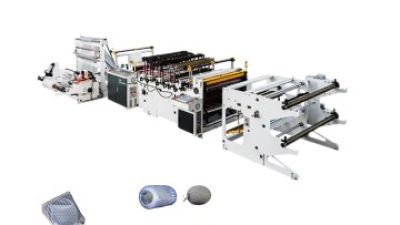
Lately, there's been a real surge in demand for more eco-friendly shipping options. I came across a report from the International Institute for Sustainable Development that mentioned packaging waste makes up nearly a third of all garbage worldwide. It’s putting a lot of pressure on businesses to start thinking greener. One cool solution that’s gaining traction is Air Pillows. They’re pretty promising for anyone wanting to stay efficient without hurting the environment.
Basically, these are innovative Packaging Materials that use air-filled chambers to cushion items. They drastically cut down on plastic use compared to traditional packaging. A study by Smithers Pira even says that using Air Pillows can cut the weight of your packaging by up to 60%. That’s a pretty big deal — it means you could save on shipping costs and also shrink your carbon footprint.
Of course, switching to Air Pillows isn’t all smooth sailing. Companies need to invest in new equipment and rethink their entire packaging approach. That said, weighing the pros and cons is super important if you’re aiming for long-term sustainability. Still, the benefits are pretty compelling: they provide solid protection, boost efficiency, and support eco-responsibility — qualities that are becoming more and more crucial these days.
Benefits of Using Air Pillows for Shipping Protection
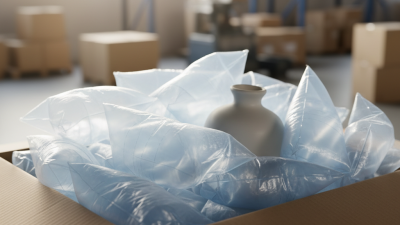
Air pillows have become a popular choice for shipping protection, and for good reason. These innovative Packing Materials offer lightweight cushioning that keeps items secure during transit. Unlike traditional packing peanuts or crumpled paper,Plastic Air Pillows can fill empty spaces efficiently. They are designed to absorb shock and prevent movement, which reduces the risk of damage. By using these air-filled bags, businesses can significantly enhance the safety of their products.
One major advantage is the eco-friendliness of Plastic Air Pillows. Made from recyclable materials, they contribute to a more sustainable shipping process compared to other options. Many shipping methods generate waste, but air pillows can be deflated and reused or recycled. This reduces landfill contributions, making it a better choice for environmentally conscious companies. Choosing air pillows can align a business's shipping practices with sustainability goals.
However, it's essential to consider a few drawbacks. Not every product can be packaged in air pillows without risk. Fragile items must still be handled carefully. Additionally, some people may find air pillows provide insufficient padding for heavy shipments. Reflecting on these points can lead to better packing strategies and enhanced customer satisfaction.
Environmental Advantages of Air Pillows Compared to Traditional Packing
Air pillows offer significant environmental advantages over traditional packing materials. According to the Sustainable Packaging Coalition, air-based packaging reduces the carbon footprint by around 30%. This is primarily due to their lightweight nature, which means lower fuel consumption during transportation.
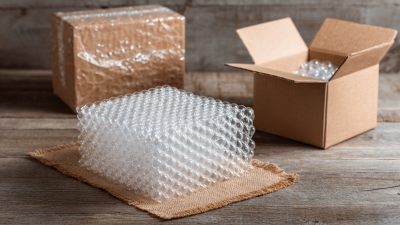
In contrast, conventional materials like Styrofoam or bubble wrap contribute to larger volumes in landfills, taking hundreds of years to decompose.
Additionally, air pillows are made from recyclable materials. A study published in the Journal of Cleaner Production reveals that using recyclable materials in packaging can reduce environmental impact by up to 50%. While many businesses adopt air pillows for their protective qualities, they also align with eco-friendly practices. Yet, there are challenges. Not all consumers understand how to recycle the materials properly. Education on recycling options remains crucial for maximizing these benefits.
Moreover, air pillows require energy during production, raising questions about their overall sustainability. Continuous improvement is needed to enhance production methods to reduce energy use. Despite this, air pillows stand out as a viable alternative.
Adopting air pillows can markedly improve shipping sustainability when coupled with effective consumer education.
Cost-Effectiveness of Air Pillows in Shipping Operations
Air pillows have emerged as a practical solution for shipping needs. One of their standout features is cost-effectiveness. Compared to traditional packing materials, air pillows can significantly lower shipping expenses. Their lightweight nature reduces the overall weight of packages, leading to lower shipping fees. This is particularly beneficial for businesses aiming to control costs while ensuring safe delivery.
Using air pillows also minimizes material usage. These pillows are inflated only as needed, reducing waste. This efficiency is not just economical; it's environmentally friendly as well. Companies can enhance their green credentials while cutting down on packaging material costs. Investing in air pillows can lead to significant savings over time.
Here are some tips for maximizing cost-effectiveness with air pillows. First, choose the right size for your packages. Properly sized pillows reduce excess material and protect contents. Secondly, consider bulk purchasing to lower costs per unit. Lastly, train staff on effective packing techniques. This ensures that air pillows are used efficiently. Minor adjustments can result in substantial savings.
How Air Pillows Enhance Customer Satisfaction in Package Delivery
Air pillows are gaining popularity in the shipping industry for several reasons. They provide superior protection for fragile items during transit. According to the 2022 Packaging Safety Report, 75% of returned items result from shipping damage. This highlights the importance of effective packaging solutions. Air pillows adapt well to various package shapes, ensuring a snug fit and minimizing movement. This can reduce damages and boost customer confidence.
Enhancing customer satisfaction goes beyond damage prevention. When customers receive their orders intact, it fosters trust in the brand. In fact, a survey conducted by a logistics firm revealed that 82% of consumers prefer brands that prioritize sustainable packaging. Air pillows not only offer protection but are also eco-friendly. They are made from recyclable materials and reduce plastic waste in landfills. Their lightweight design also contributes to lower shipping costs, which can be passed on to customers, resulting in greater satisfaction.
However, companies must reflect on their packaging choices. While air pillows are effective, they may not be suitable for all items. For some heavy or oddly shaped products, alternative packaging might provide better protection. It’s essential to find the right balance between efficiency and sustainability. Engaging with customers to gather feedback on packaging experience can provide valuable insights for improvement.
Comparison of Air Pillows with Other Cushioning Materials
When considering cushioning materials for shipping, air pillows offer unique advantages. Compared to traditional options like foam or paper, air pillows are lightweight and reduce overall shipping costs. According to a study by the International Journal of Logistics Management, companies using air cushioning improved their packaging efficiency by up to 40%. This efficiency translates directly to cost savings and a lower carbon footprint.
Air Column Bag are designed to provide optimal protection for fragile items. They reduce material costs and are easier to store and handle. However, some businesses may overlook the initial setup costs associated with air pillow machines. This can lead to hesitation in making the switch. A report from Packaging Insights highlights that companies should analyze the long-term savings against upfront investments.
Tip: When switching to air pillows, ensure your employees are trained on using the machines effectively.
It’s essential to consider the trade-offs between cushioning materials. While air pillows excel in many areas, they may not provide the rigid support that some items require. Critically assessing the needs of your products can prevent potential damages during shipping.
Tip: Test your packaging with different materials to find the best fit for your products.
Best Practices for Incorporating Air Pillows in Shipping Processes
Incorporating air pillows in your shipping process can enhance safety and sustainability. These lightweight, inflatable packaging solutions provide excellent cushioning for fragile items. The use of Air Bags For Packing not only protects goods from damage but also reduces the overall shipping weight. This leads to lower shipping costs and minimizes the carbon footprint associated with transport.
When using air pillows, consider the size and volume of your packages. Selecting the right pillow ensures optimal protection while avoiding wasted space. It's important to assess your packing strategy regularly. Are you using too many pillows for small items? This could lead to unnecessary waste and increased costs. Training staff on best practices can further improve efficiency and reduce errors.
Testing different air pillow configurations can also yield insights. Occasionally, a different arrangement may offer better support. Collect feedback from team members regularly to identify areas for improvement. By integrating air bags for packing effectively, you can enhance shipping processes, increase customer satisfaction, and align with eco-friendly practices. Monitoring and adjusting your methods contribute to a more sustainable future in shipping.
Why Choose Air Pillows for Safe and Eco-Friendly Shipping? - Best Practices for Incorporating Air Pillows in Shipping Processes
| Dimension | Description | Benefits | Environmental Impact |
| Material | Typically made from recyclable polyethylene. | Lightweight and flexible cushioning. | Reduces landfill waste when recycled. |
| Protection Level | Provides exceptional cushioning to protect fragile items. | Minimizes damage during transit. | Less material needed compared to traditional packing materials. |
| Space Efficiency | Air pillows compress for easy storage and handling. | Saves warehouse space and reduces shipping costs. | Reduces carbon footprint compared to bulkier alternatives. |
| Versatility | Suitable for a wide range of products and shipping methods. | Adapts to different shapes and sizes of items. | Encourages eco-friendly practices in logistics. |
Innovations in Eco-Friendly Shipping Solutions with Air Pillows
In recent years, shipping solutions have sought sustainable alternatives. Air pillows have emerged as a key player in eco-friendly packaging. They offer both safety for products and a commitment to the environment. According to a report by the Environmental Protection Agency, packaging waste accounts for nearly 30% of all waste in the U.S. Air Bag Packaging significantly reduces this figure due to its lightweight nature.
Experts indicate that air pillows can reduce material usage by up to 50% compared to traditional packing materials. This innovation not only lowers shipping costs but also minimizes the carbon footprint. In fact, a study by the Sustainable Packaging Coalition shows that lighter materials contribute to reduced fuel consumption during transport, leading to lower emissions overall.
Tip: When using air pillows, ensure proper sizing for your products. Under-filled packaging may lead to damage, while overfilled can waste material. Balancing efficiency and protection is key. Always choose materials that align with your environmental goals. Air pillow technology is a step toward a more sustainable future in shipping.
Enhancing Packaging Efficiency: A Comprehensive Overview of Semi-Automatic Air Column Bag Machines
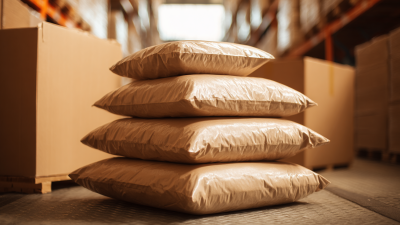
In today's competitive market, enhancing packaging efficiency is of utmost importance for businesses aiming to protect their products and improve customer satisfaction. The semi-automatic Air Column Bag Machine stands out as a vital tool in achieving these objectives. Designed to convert air column films into protective bags, this machine provides a comprehensive solution that addresses the growing need for reliable packaging in various industries, such as e-commerce, electronics, and glassware. According to industry reports, the global protective packaging market is projected to witness significant growth, driven by the increasing demand for safe shipping solutions, highlighting the importance of machines like the Air Column Bag Machine.
The semi-automatic nature of the Air Column Bag Machine allows businesses to streamline their packaging processes while producing bags in a variety of sizes to accommodate different products. This flexibility is essential, as customers often require tailored solutions to fit their unique shipping needs. By utilizing this machine, companies can effectively minimize product damage during transit, which is a critical factor in maintaining customer satisfaction and loyalty. Data indicates that effective packaging solutions can reduce damage-related costs by as much as 30%, emphasizing the financial benefits of investing in efficient packaging machinery.
Furthermore, as sustainability becomes increasingly relevant in packaging practices, air column bags offer an eco-friendly alternative to traditional materials. Not only do these bags provide superior protection through cushioning, but they can also be produced with recyclable materials, aligning with the growing emphasis on environmentally responsible packaging solutions. Leveraging technology such as the semi-automatic Air Column Bag Machine allows businesses to meet consumer expectations for quality and sustainability, ultimately enhancing their overall packaging efficiency and brand reputation.
FAQS
: Air pillows provide lightweight cushioning to protect items during transit. They help absorb shock and prevent movement.
Unlike packing peanuts or crumpled paper, air pillows fill empty spaces more efficiently and provide better protection.
Yes, they are made from recyclable materials and can be reused or recycled, contributing to a sustainable shipping process.
Fragile items require careful handling, and air pillows might not provide enough protection for them.
Yes, using air pillows can lower material usage, resulting in reduced shipping costs and decreased carbon footprint.
Under-filled packaging can lead to product damage, while over-filled packaging wastes material. Balance is essential.
Packaging waste accounts for nearly 30% of all waste in the U.S., highlighting the need for eco-friendly solutions.
They minimize waste, lower emissions, and align shipping practices with environmental goals, supporting a sustainable future.
Proper sizing ensures products are adequately protected while maximizing material efficiency, which is crucial for effective shipping.
Lighter materials reduce fuel consumption during transport, leading to lower greenhouse gas emissions and a smaller carbon footprint.
Conclusion
Air Pillows have emerged as a popular choice for safe and eco-friendly shipping, offering numerous advantages over traditional packing materials. They provide superior protection for shipped items, reducing the risk of damage during transit. Environmentally, Air Pillows are often made from recyclable materials, representing a sustainable alternative that minimizes landfill waste compared to conventional cushioning options.
In addition to being environmentally friendly, Air Pillows are cost-effective, helping businesses streamline their shipping operations while enhancing customer satisfaction. Their lightweight nature reduces shipping costs, while their cushioning properties ensure packages arrive in pristine condition. By incorporating best practices for using Air Pillows in shipping processes, companies can innovate their logistics and improve their overall environmental footprint, making Air Pillows an essential component of modern packaging solutions.