Inquiry
Form loading...
0%

Choosing a 3-Side Seal Envelope Machine begins with a practical question: what should the package protect, and how consistently must it be produced?

Packaging engineer Daniel Hart of Northbridge Packaging Solutions says, “A reliable seal is not a feature; it is the foundation of packaging performance.” This principle matters when converting paper, film, orGlassine Envelope materials. Each pack moves through forming, filling, sealing, and cutting. Small variations can create wrinkles, weak edges, or unnecessary waste.

A modern 3-Side Seal Envelope Machine can support stable production with adjustable temperature, pressure, and sealing time. These controls help operators match the machine to different material thicknesses. They also improve repeatability across long production runs. That matters.

In daily operation, the advantages become visible. A clean three-sided seal protects the product while leaving one opening for filling. A compact machine layout can reduce floor-space pressure. Automatic feeding may lower repetitive manual work. Sensors can identify film misalignment before defective envelopes accumulate.

Still, no machine solves every packaging problem. Material quality, operator training, and maintenance remain important. I would not recommend choosing equipment based on speed alone. A faster line may produce more waste when settings are poorly matched. That is an uncomfortable but necessary reminder.

The best 3-Side Seal Envelope Machine should fit your material, output target, and quality requirements. Ask for sample trials, sealing tests, and clear maintenance guidance. Inspect the finished envelope closely. Feel the seal. Check the edges. These simple steps often reveal more than a brochure.
Why Choose a 3-Side Seal Envelope Machine?

What Is a 3-Side Seal Envelope Machine?

What Is a 3-Side Seal Envelope Machine?

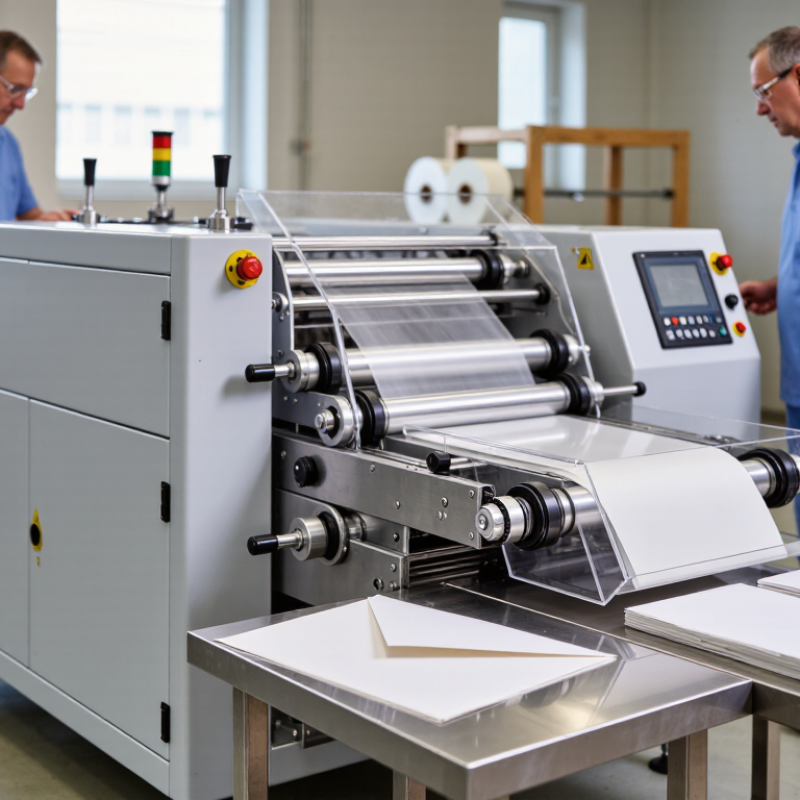
A 3-side seal envelope machine converts roll-fed film into flat, sealed envelopes. It forms two longitudinal seals and one bottom seal. The fourth edge remains open for filling or product insertion. Typical systems include film unwinding, web alignment, heat sealing, cooling, and cutting. Some models add zipper tracks, tear notches, or printing control. The exact configuration depends on material thickness and envelope size.

According to Mordor Intelligence’s Flexible Packaging Market report, the global market was estimated at about USD 261 billion in 2024. It may exceed USD 333 billion by 2029. This growth reflects demand for lightweight, space-efficient packaging. A three-side seal machine supports that format with repeatable dimensions and controlled sealing pressure. In production, I would inspect seal width, edge alignment, and leakage samples every shift. Small temperature changes can create weak corners. That detail is easy to underestimate.

Tips: Match the sealing temperature to the film structure. Keep tension stable. Record defects by machine speed, not only by batch. A short trial run is valuable before full production. PMMI industry reports also identify automation and quality control as major packaging investment priorities. However, faster output does not always mean better packaging. Operators still need practical testing, clear maintenance records, and honest review of failed samples.

How Does a 3-Side Seal Envelope Machine Work?

A 3-Side Seal Envelope Machine turns flat paper film into finished envelopes through a controlled, repeatable process. The material enters from a roll, where tension rollers keep its surface smooth. If printing is required, an inline unit adds logos, addresses, or handling marks before forming begins. Small alignment sensors help prevent uneven edges.

The machine then folds the web into an envelope shape and applies adhesive along selected areas. Heated sealing bars, or pressure rollers, close the first side and bottom edge. A cutting knife separates each envelope at a fixed length.

For a Kraft Envelope, operators usually check paper stiffness, fold accuracy, and adhesive bonding because natural kraft fibers can vary slightly. A sample inspection may reveal wrinkles that sensors miss. That is where experience still matters.

Tips:

Keep the paper roll dry and correctly centered. Check adhesive temperature before production starts.

Inspect ten consecutive envelopes after setup, including their corners and seal strength.

Reduce speed when changing material thickness. This takes longer, but it can prevent a full batch from needing rework.

Clean rollers regularly. Dust and glue buildup can create tiny marks, weak seals, or uneven cuts.

Record these adjustments for consistent future runs.

What Materials Can It Process?

Why Choose a 3-Side Seal Envelope Machine?

A 3-side seal envelope machine suits packaging lines that need clean edges and repeatable output. Its material range is broader than many buyers expect. It can process Kraft Paper, coated paper, nonwoven sheets, lightweight laminates, and selected plastic films. AKraft Paper Envelope often runs smoothly when paper thickness, moisture, and tensile strength remain consistent. The machine forms the back seal and side seals in one controlled path. This helps reduce manual folding and uneven corners.

Material preparation matters more than advertised speed. Rough kraft paper may create dust around rollers. Glossy coatings can slip during feeding. Thin films may stretch, wrinkle, or seal unevenly under excess heat. Operators should check web width, thickness, sealing temperature, pressure, and feed tension before production. Small changes can affect the envelope’s opening shape. They can also influence seal strength.

From practical testing, sample runs are essential. Ask the supplier to test your actual material, not a similar substitute. Inspect the seals after cooling, then perform simple peel and drop checks. Do not assume every paper-film structure behaves alike. That assumption is easy to make, and sometimes wrong. Recycled fibers may vary between batches, while coated stock may require different heating settings. A reliable evaluation records each adjustment, including failed trials. This evidence supports better purchasing decisions and helps operators repeat stable results.

Why Choose a 3-Side Seal Envelope Machine? - What Materials Can It Process?

Material or Structure Typical Thickness Key Properties Suitability for 3-Side Sealing Common Applications Important Processing Notes
Polyethylene (PE) 40–150 μm Flexible, moisture-resistant, heat-sealable, and widely used as a sealing layer. Excellent Garment bags, medical packaging, food pouches, and general protective envelopes. Seal temperature and dwell time depend on PE grade, film thickness, and line speed.
Polypropylene (PP) 20–80 μm Good clarity, relatively high stiffness, and strong moisture resistance. Excellent with a suitable sealant layer Stationery envelopes, snack packaging, textile packaging, and overwraps. Oriented PP may shrink or distort if exposed to excessive heat; temperature control is important.
Polyester (PET) Laminates 8–25 μm PET layer High tensile strength, dimensional stability, clarity, and good print surface. Very good as a laminate Retortable packaging, pharmaceutical sachets, cosmetic pouches, and high-barrier packs. PET normally requires PE, CPP, or another heat-sealable layer because it is not usually the sealing surface.
Biaxially Oriented Nylon (BOPA) 15–25 μm layer High puncture resistance, toughness, and flexibility. Very good as a laminate Frozen foods, vacuum pouches, meat packaging, and products requiring puncture protection. Nylon absorbs moisture, which can affect dimensions and sealing performance; use a compatible sealant layer.
Aluminum Foil Laminates 7–20 μm foil layer Excellent barrier against light, oxygen, moisture, and aromas. Excellent as a laminate Coffee, powdered products, pharmaceuticals, cosmetics, and sensitive food products. The foil must be supported by polymer layers; sealing pressure should be controlled to avoid creasing or pinholes.
Paper-Based Laminates 40–120 g/m² paper layer Printable, recyclable in some structures, and suitable for paper-like packaging appearance. Good with a heat-sealable coating Tea, dry foods, seed packets, documents, and lightweight retail packaging. Paper moisture, coating uniformity, and web flatness can influence seal strength and feeding stability.
Coated Tyvek®-Type Spunbonded HDPE Approximately 55–105 g/m² Tear-resistant, breathable, lightweight, and suitable for sterilization packaging when properly converted. Good with a compatible coating Medical instrument pouches, protective covers, and specialty packaging. Use only validated grades and sealing conditions for regulated medical packaging.
Water-Soluble Film (PVA) 20–60 μm Dissolves or disperses in water depending on grade; sensitive to humidity. Possible with specialized settings Detergent sachets, agricultural chemicals, and controlled-dose products. Humidity control, gentle web handling, and validated sealing parameters are essential.
Co-Extruded Multilayer Films 50–200 μm total structure Combines sealability, stiffness, barrier performance, and puncture resistance in one web. Excellent Food, medical, chemical, household, and industrial pouches. Confirm the inner sealing layer, coefficient of friction, shrinkage, and recommended heat window before production.
Selection guideline: A 3-side seal envelope machine is most suitable for flexible webs with a defined heat-sealable layer. Final performance depends on material structure, thickness, sealant type, sealing temperature, pressure, dwell time, web tension, and machine speed. Always verify seal strength and package integrity through production trials.

What Features Improve Production Efficiency?

A three-side seal envelope machine can improve output when its features match the actual workflow. Experienced operators look beyond advertised speed. They check changeover time, seal consistency, and material waste. A responsive servo system keeps feeding accurate. This matters. Even a small alignment error can create open edges or uneven flaps. Photoelectric sensors detect paper position and help maintain registration during long runs. Automatic tension control can also reduce wrinkles when roll diameter changes.

Production efficiency depends on control and maintenance, not speed alone. A clear touchscreen lets operators adjust length, folding, temperature, and sealing pressure without repeated trial runs. Recipe storage can shorten setup for different envelope sizes, while guided alarms make faults easier to locate. Quick-release rollers and accessible heating parts reduce cleaning time. In a busy workshop, those minutes accumulate. Inline counting and reject detection provide useful production records for quality checks and material planning.

Still, automation does not remove every problem. Dust, inconsistent paper, or poor adhesive settings may interrupt a smooth run. Operators should inspect samples at startup and after material changes. A realistic performance review should include stoppages, training time, and maintenance access. Some machines appear fast on paper, yet lose efficiency during frequent size changes. The better choice delivers stable seals, predictable adjustments, and dependable output under everyday conditions.

How Does It Ensure Seal Quality and Product Consistency?

A 3-side seal envelope machine protects consistency through controlled heat, pressure, and dwell time. These settings work together at the sealing jaws. If temperature rises too far, film can wrinkle or weaken. If pressure falls, tiny channels may remain open. Operators should check seal width, peel strength, and visual alignment during every production shift.

This matters for Envelope Mailers, where uneven edges can expose products during transport. The Flexible Packaging Association reported that the United States flexible packaging industry reached about $39.8 billion in 2022. Such scale increases the cost of small quality losses. A machine with servo-driven film feeding can reduce length variation. Registration sensors also help keep printed graphics and seals correctly positioned. Small details matter.

Quality control is not only automatic. It needs evidence. ASTM F88 seal-strength testing can compare samples across production batches. ASTM F1929 dye testing can reveal channels that look invisible. In practical trials, I would retain samples from startup, mid-run, and shutdown. The first packs often deserve extra attention. Still, no machine removes every variable. Film thickness, humidity, and operator adjustments can change results. That limitation should remain visible in the process record. When settings, inspection results, and corrective actions are documented, product consistency becomes measurable rather than assumed.

Why Choose a 3-Side Seal Envelope Machine?

A 3-side seal envelope machine improves product consistency by synchronizing material feeding, sealing temperature, pressure, and dwell time. The following production profile shows how stable process control can maintain seal strength and reduce variation across consecutive production periods.

Consistent seal strength with a low standard deviation indicates uniform heating, controlled pressure, and accurate film positioning. Automated synchronization helps reduce weak seals, material waste, and differences between finished envelopes.

What Factors Should Buyers Consider?

Why Choose a 3-Side Seal Envelope Machine?

What Factors Should Buyers Consider?

A 3-side seal envelope machine should match your daily production needs, not just its advertised speed. Buyers should check material compatibility, including paper weight, coated film, and adhesive behavior. A machine that handles one material well may struggle with another. Request sample testing before placing an order. Small trials reveal wrinkles, weak seals, and feeding problems.

Size flexibility also matters. Review the available Padded Envelope Sizes and the adjustment range. Frequent format changes can reduce output when setup takes too long. Tool-free adjustments, clear guides, and stored settings can help operators work more consistently. However, automated settings are not always perfect. Operators still need to inspect the first finished pieces.

Consider seal strength, cutting accuracy, noise, and energy use. Ask how the machine manages dust and adhesive residue during long shifts. Easy access to rollers, sensors, and sealing parts can shorten maintenance time. Spare-part availability and technical training deserve equal attention. A low purchase price may become expensive when support is slow.

Safety features should include guarded moving parts, emergency stops, and clear operating instructions. Buyers should also verify the supplier’s testing records and quality documentation. Experienced operators can identify practical weaknesses that sales specifications miss. Watch a live demonstration if possible. It may expose limitations hidden in a brochure.

FAQS

What does a three-side seal envelope machine produce?

It converts roll-fed material into flat, sealed envelopes. Two side seals and one bottom seal form the pouch. The fourth edge stays open.

How does the machine operate?

The process usually includes unwinding, web alignment, heat sealing, cooling, and cutting. Sealing pressure and temperature must remain stable. Small changes matter.

Which materials can the machine process?

It can handle kraft paper, coated paper, nonwoven sheets, laminates, and selected plastic films. Material thickness and strength affect feeding. Not every film behaves alike.

Why is material testing important?

Test the actual material before full production. Similar-looking materials may require different temperatures and tensions. A short trial run can reveal wrinkles, slipping, or weak seals.

What settings deserve close attention?

Check web width, thickness, sealing temperature, pressure, and feed tension. Rough paper may create dust around rollers. Thin films may stretch under excess heat.

How can operators check seal quality?

Inspect seal width, edge alignment, and cooled sealing areas. Simple peel and drop checks can expose weak corners. Leakage samples should be reviewed every shift.

Does higher production speed always improve results?

No. Faster output can increase wrinkles, misalignment, and incomplete sealing. Record defects against machine speed, not only production batches. Speed is not everything.

What maintenance and production records are useful?

Record temperature changes, tension adjustments, defects, and failed trials. Clear records help operators repeat stable settings. They also reveal recurring problems.

How should buyers evaluate a machine?

Request testing with the intended material and envelope size. Review seal strength after cooling. Do not rely on advertised speed alone. That assumption can fail.

Conclusion

A 3-Side Seal Envelope Machine is designed to produce flat, secure envelopes or pouches by sealing three edges while leaving one side open for filling or further processing. It typically feeds the material from a roll, forms the package, applies controlled heat or pressure to create the seals, and then cuts each finished piece to a precise size. This streamlined process supports stable, continuous production with less manual handling.

The machine can process suitable plastic films, laminated materials, paper-based films, and other heat-sealable substrates, depending on its configuration. Features such as adjustable speed, automatic tension control, accurate temperature regulation, photoelectric tracking, and programmable cutting help improve efficiency and reduce material waste. Consistent sealing depends on proper heat, pressure, alignment, and cooling control. When selecting a 3-Side Seal Envelope Machine, buyers should evaluate material compatibility, production capacity, envelope dimensions, automation level, seal strength, maintenance requirements, operating costs, and available technical support.

Charlotte

Charlotte

Charlotte is a dedicated marketing professional at Hangjia Machinery, where she leverages her extensive expertise in the packaging industry to enhance the company’s presence in the fast-growing e-commerce sector. With a deep understanding of fully automatic packaging machines, she plays a pivotal......
Previous What Are the Best Void Fill Solutions from China?