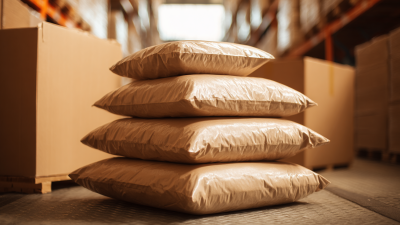
In the world of shipping and packaging, you’ve probably seen how important Air Pillowshave become. These little guys are real game-changers, making sure your stuff stays safe without adding a ton of weight or bulk. I read what John Smith, a top packaging expert at PackTech Solutions, mentioned—he said, "Air Pillows give you unbeatable protection while being super lightweight and saving space." It’s pretty cool how their design molds around different items, giving them a cozy cushion so they arrive in one piece.
Nowadays, more and more companies are into eco-friendly practices, right? Well, Air Pillows actually fit into that mindset—they’re reusable and often made from recycled materials, which is a win for the planet. But here’s the thing—if you don’t use them wisely, it can backfire. Overstuffing packages with too many Air Pillows just wastes resources and can bump up costs—so, finding that sweet spot is key. Balancing safety and efficiency isn’t always easy, but it’s worth it.
Getting the most out of Air Pillows means carefully thinking about what your product needs—size, shape, how much protection it really requires. Not everything needs a mountain of padding. And, honestly, mistakes happen—like grabbing too big of an Air Pillow or not enough filler. It’s a good idea to regularly review and tweak your packing methods, so you’re not wasting materials or risking damage. Keeping up with innovation and smart packing practices can really boost your brand’s reputation and help you ship responsibly without breaking the bank.
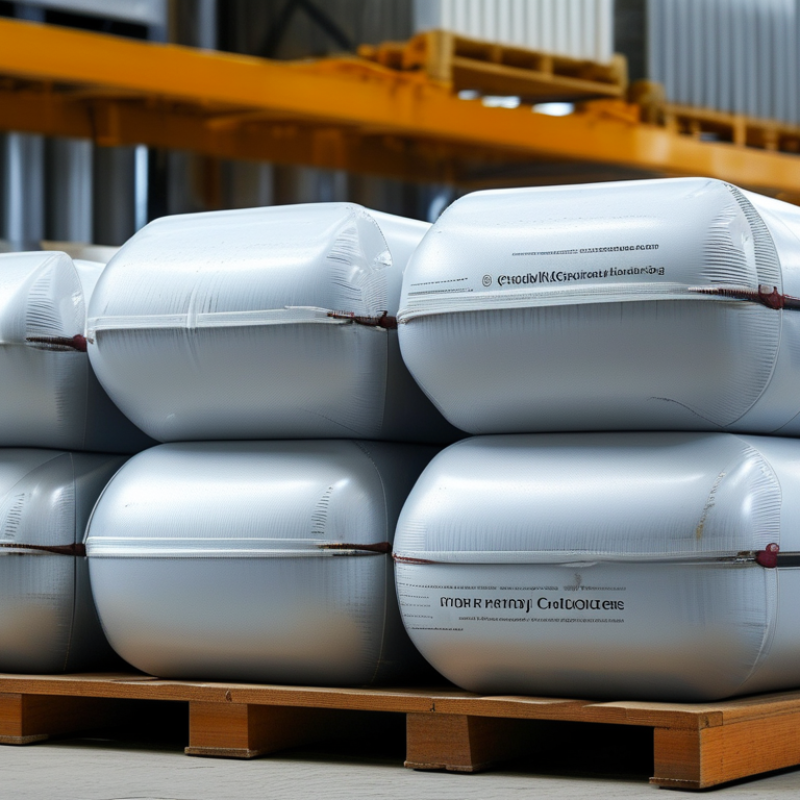
Types of Air Pillows Used for Shipping and Packaging
Air pillows are essential tools in shipping and packaging. They provide protection, cushioning, and support for various products. Many companies rely heavily on air pillows because they save space and reduce shipping costs. According to a 2022 industry report, air-filled Packaging Solutions have increased by over 30% in demand, showcasing their vital role in logistics.
There are several types of air pillows available for shipping. One popular choice is the Plastic Air Pillows. These are easy to use and can be inflated as needed. They offer efficient shock absorption and reduce the risk of damage during transportation. Another option is biodegradable air pillows, which are gaining traction due to rising environmental concerns. Brands looking to adopt sustainable practices often choose these to align with consumer values, creating a more eco-friendly shipping solution.
Despite their benefits, some challenges remain. Users must ensure proper inflation to maximize their protective qualities. Improper inflation can lead to ineffective cushioning, which may result in product damage. Companies should carefully consider their packaging strategies and regularly assess the performance of their air pillows. Engaging in continuous improvement is key, as it allows businesses to refine their use of air-filled packaging.
The Best Air Pillows for Shipping and Packaging Solutions
| Type of Air Pillow | Size | Material | Inflation Method | Strength and Durability |
| Standard Air Pillows | 12" x 18" | Plastic (Polyethylene) | Manual or Electric Pump | Good, with a weight capacity of up to 50 lbs |
| Mini Air Pillows | 10" x 14" | Recyclable Plastic | Automatic Filling Machine | Excellent, suitable for fragile items |
| Large Air Pillows | 16" x 24" | Heavy-Duty Plastic | Manual or Electric Pump | Very Strong, can hold up to 100 lbs |
| Custom Air Pillows | Variable Sizes | Varies by Order | Custom Inflators | Custom Strength as per requirements |
Advantages of Using Air Pillows in Packaging Solutions
Air pillows have become a popular choice for businesses seeking efficient packaging solutions. Their lightweight design allows for significant savings in shipping costs. By protecting items with air, they create a buffer against impact during transit. This makes them especially useful for fragile products. Sellers can ship with confidence, knowing that their goods are safer.
Using air pillows offers distinct advantages. They are easy to handle and can be inflated on demand, which saves storage space. This flexibility can reduce waste, as they only take up room when in use. Additionally, they are made from recyclable materials, aligning with eco-friendly practices. Businesses can maintain a commitment to sustainability while enhancing their packaging methods.
Some challenges exist, however. Not all packages fit comfortably with air pillows. For heavy items, they may not provide enough support. Companies may need to combine them with other protective materials for maximum safety. Testing different configurations is crucial for achieving the best protection. Each shipping scenario may require careful evaluation to ensure effectiveness.
Factors to Consider When Choosing Air Pillows
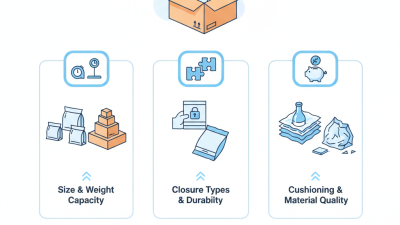
When selecting air pillows for shipping, consider both protection and efficiency. The right Air Column Bag can cushion fragile items well during transit. It's crucial to evaluate the dimensions of your packages. A snug fit can minimize movement, reducing the risk of damage. Countless options exist, but not all will meet your specific needs.
Material quality is another vital aspect. Thinner materials might save money but can compromise security. A reliable air pillow should withstand punctures while offering optimal cushioning. The inflation method also matters. Manual inflation may be labor-intensive, while automatic systems can save time but require an initial investment. Balancing cost with effectiveness is essential.
Additionally, consider the environmental impact. Some air pillows are recyclable, which aids in sustainability efforts. However, not all manufacturers disclose their product's eco-friendliness. Weigh the benefits of Packaging Materials carefully, as your choices can reflect your values and business ethics. A thoughtful approach to packaging can build trust with customers while ensuring their orders arrive intact.
Comparison of Different Air Pillow Brands and Products
When it comes to air pillows for shipping, many options are available. These products are vital for protecting fragile items during transit. Different brands offer various sizes and shapes, tailored for diverse shipping needs. Some air pillows are designed for heavy-duty use, while others are more lightweight. Quality can differ significantly among manufacturers. It's essential to examine the materials used, as they influence durability and performance.
In the realm of Air Bags For Packing, you’ll find inflatable options that fulfill different requirements. Some brands focus on eco-friendliness, using recyclable materials. However, not all eco-friendly options perform well under pressure. Make sure to check reviews regarding their effectiveness. Many users find that certain pillows are too thin, leading to inadequate protection. Testing several brands can help identify which products deliver reliable performance.
Another consideration is ease of use. Some air pillow systems come with built-in inflation mechanisms, making them convenient. Others may require manual inflation, which can be cumbersome. Instead of opting for the most popular choice, assess your specific needs. This approach can lead to uncovering brands that excel in certain ways but aren't widely known. Ultimately, the right choice may depend on balancing cost, convenience, and reliability.
The Best Air Pillows for Shipping and Packaging Solutions
Tips for Proper Use and Inflation of Air Pillows
Air pillows, commonly used in shipping, provide excellent cushioning for fragile items. Proper inflation is crucial for their effectiveness. Studies have shown that fully inflated air pillows can reduce damage rates by over 30%. However, improper use can lead to costly returns and replacements. In fact, a report from the Packaging Industry Association highlights that about 20% of damages result from inadequate packaging solutions.
To achieve optimal inflation, ensure each air pillow is filled adequately. Too little air compromises protection, while over-inflation risks bursting. Ideal inflation levels create a snug fit around the item being shipped, maximizing stability. Additionally, using the correct method to inflate these pillows can make a significant difference. An inefficient inflation process may waste time and resources, leading to higher operational costs.
Each shipping scenario can differ, requiring various approaches to Air Bag Packaging. Businesses must regularly assess their packaging strategies. Evaluating inflation techniques is essential, as not every method suits all products. Adopting bad practices can diminish the effectiveness of protective packaging, leading to unnecessary regrets. Understanding the nuances of air pillow usage can lead to better shipping outcomes and increased customer satisfaction.
Environmental Impact of Air Pillows in Packaging
Air pillows have become a popular choice for shipping and packaging due to their lightweight nature and protective qualities. However, their environmental impact is significant. According to a report from the Environmental Protection Agency, packaging waste accounts for approximately 30% of the total municipal solid waste in the United States. Air pillows, often made from polyethylene, can contribute to this issue if not properly recycled.
While many air pillows are recyclable, the reality is that a large percentage ends up in landfills. The recycling rate for plastic films, including air pillows, is only about 8%. This low figure emphasizes the need for improved recycling initiatives and awareness among consumers. Moving towards biodegradable alternatives could help alleviate some of the environmental burden. Yet, the effectiveness of these alternatives in protecting goods during shipping is still under scrutiny.
Moreover, the production of air pillows involves the use of fossil fuels, which contributes to carbon emissions. Some studies indicate that the energy used in the production of conventional plastic packaging can result in significant ecological footprints. As companies seek sustainable packaging solutions, it’s crucial to weigh the protective benefits of air pillows against their long-term environmental effects. Finding the balance between functionality and sustainability remains a challenge in the packaging industry.
Cost-Effectiveness of Air Pillows for Shipping Needs
Air pillows have become increasingly popular in the shipping industry. Their lightweight nature and ease of use make them an appealing choice for companies looking to reduce costs. These inflatable pillows offer excellent protection for fragile items. They can cushion products during transit, reducing the risk of damage.
Cost-effectiveness is a significant factor for businesses. Traditional packing materials, like bubble wrap and styrofoam, can be bulky and expensive. In contrast, air pillows take up minimal space when not inflated. This can lower storage costs as well. Inflation is quick and requires little effort. This efficiency can save time and money in packing operations.
However, some drawbacks exist. Not all air pillows are recyclable. This impacts their environmental footprint. Companies need to weigh the benefits against the potential for waste. Sourcing high-quality pillows is crucial. Poor-quality options can lead to equipment failure during shipping. Reliability should be a priority in any supply chain. The choice must align with both budget constraints and sustainability goals.
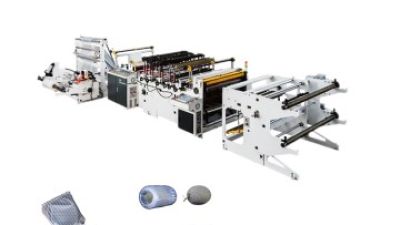
Maximizing Packaging Efficiency: The Advantages of Using a Semi-Automatic Air Column Bag Machine
In today's fast-paced e-commerce environment, maximizing packaging efficiency is crucial for businesses aiming to ensure safe product delivery while minimizing costs. One innovative solution that has gained significant traction is the semi-automatic air column bag machine, designed to convert air column films into protective bags tailored for a variety of goods. According to recent industry reports, the packaging machinery market is projected to grow by 3.7% annually, fueled by the rising demand for efficient protective packaging in sectors such as electronics and glassware.
The semi-automatic air column bag machine stands out by providing a complete packaging solution that enhances the protection of fragile and valuable items during transportation. With its flexibility to produce bags in various sizes, companies can streamline their packaging processes and accommodate different types of products efficiently. This adaptability not only helps reduce the risk of damage—where studies indicate that over 30% of products suffer damage during transit—but also improves overall customer satisfaction as buyers receive their orders in pristine condition.
Furthermore, integrating such machinery into a business's operations enables significant cost savings and increased productivity. By minimizing the need for excess packing materials and labor, businesses can achieve a more sustainable packaging solution. In an industry where the efficient use of resources is paramount, the semi-automatic air column bag machine represents a forward-thinking approach that aligns with contemporary demands for reliability and efficiency in packaging.
FAQS
: Air pillows provide protection and cushioning for products during shipping. They reduce the risk of damage.
Biodegradable air pillows align with rising environmental concerns. They offer a more eco-friendly packaging solution.
Consider protection, efficiency, and the dimensions of your packages. A snug fit minimizes product movement.
Thinner materials might cost less, but they can compromise protection. Reliable materials withstand punctures and offer better cushioning.
Proper inflation ensures maximum protective qualities. Improper inflation can lead to inadequate cushioning and product damage.
No, quality varies among brands. Testing different options can help you find which performs reliably for your needs.
Manual inflation can be labor-intensive, while automatic systems save time but may require an investment.
Some air pillows are recyclable, but not all manufacturers disclose their eco-friendliness. Weigh benefits carefully.
Users must ensure proper inflation and monitor performance. Continuous improvement in packaging strategies is essential.
Yes, systems with built-in inflation mechanisms are convenient. Manual inflation can be cumbersome and time-consuming.
Conclusion
Air pillows are specialized packaging materials that provide cushioning and protection for shipped items. This article outlines various types of air pillows commonly used in shipping, highlighting their advantages, such as lightweight design and effective shock absorption. When selecting air pillows, factors like size, inflation method, and durability should be considered to ensure optimal performance.
Additionally, the piece discusses the environmental impact of air pillows, emphasizing the importance of choosing eco-friendly options. It also touches on the cost-effectiveness of air pillows in comparison to traditional packaging materials, as they can significantly reduce shipping costs. Finally, practical tips for proper use and inflation of air pillows are provided, ensuring that users can maximize their efficiency and effectiveness in packaging solutions.