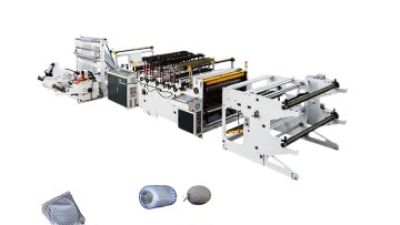
Picking the best automatic conveyor for bags from China isn’t just about comparing prices. The right system needs to fit your bag material, size, weight, and production speed. That really comes into play when you’re running Bubble Wrap Bags, courier mailers, woven sacks, or laminated packaging. A conveyor that runs smoothly can cut down on manual lifting, product damage, and those annoying stoppages.
I’d start with real samples. Send the Chinese manufacturer your biggest and smallest bags. Ask them to test filled bags, empty bags, and uneven loads. Watch how the belt tracks, how the side guides adjust, what happens at transfer points, and whether emergency stops are easy to reach. Honestly, small details like these often decide how well it performs day to day. A reliable supplier should give you motor specs, load limits, maintenance instructions, and recorded test results. Factory communication matters too. Clear drawings and engineers who actually respond usually save you from costly misunderstandings.
No conveyor is going to win every application. Our first assumption might be wrong. A high-speed model could handle cartons just fine but struggle with soft Bubble Wrap Bags. A cheap frame may need constant alignment. If moisture and dust are concerns, look at stainless steel or coated components. Before ordering, check spare-part availability, warranty terms, installation support, and operator training. Chinese manufacturers can offer great customization, but quality can vary from factory to factory and even batch to batch. Independent inspections and a documented acceptance checklist can add some useful protection. So the best automatic conveyor for bags isn’t simply the fastest or cheapest one. It’s the system that performs consistently with your actual bags, your workflow, and the service you expect. That difference is worth testing carefully.
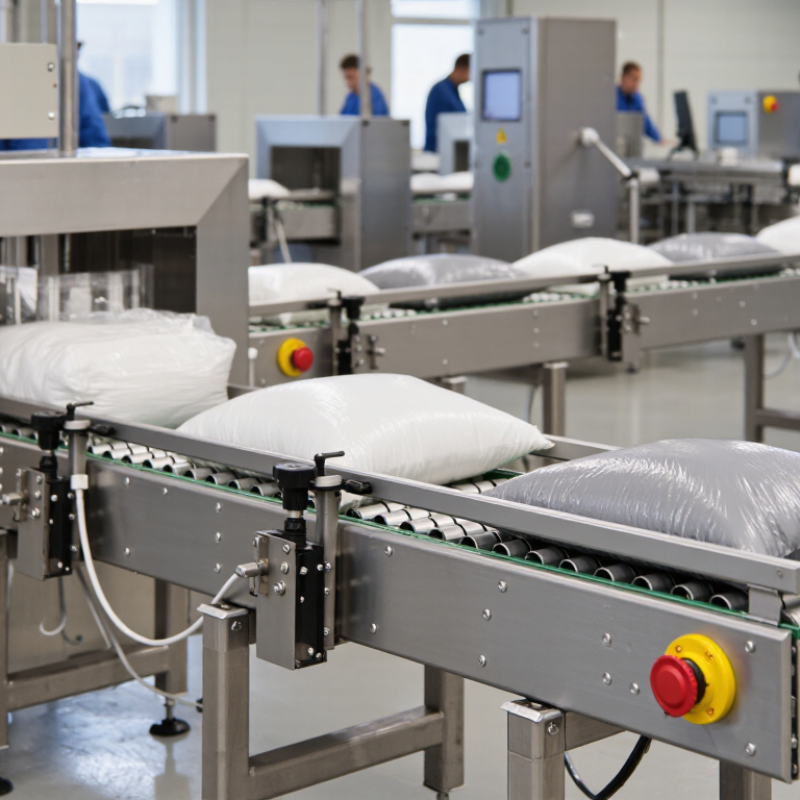
Types of Automatic Bag Conveyors Available from China
Choosing the best automatic conveyor for bags from China starts with identifying the bag material, weight, and production route. Flat belt conveyors suit filled Packaging Bags moving horizontally between filling, sealing, and inspection stations. They handle paper, plastic, and woven bags with steady support. A rubber or PVC belt can reduce slipping, especially when the bag surface is dusty.
Incline cleated belt conveyors lift bags between different floor levels. Their raised flights help prevent sliding and falling. This design works well after palletizing or before storage transfer. Roller conveyors are useful for rigid, heavy sacks with stable bottoms. However, soft bags may bend between rollers and require more support. For narrow spaces, vertical bag conveyors can save floor area, but they need careful testing with irregular loads.
During supplier evaluations, check speed control, belt width, frame strength, guarding, and emergency-stop access. Ask for a sample test using your actual bags. A 25-kilogram woven sack may behave differently from a small sealed pouch. Dust near the sealing area also affects sensors and belt tracking. Stainless steel is practical for damp or washable environments, though it increases cost. Some specifications look impressive on paper. They may still fail during continuous operation. Confirm load capacity, noise, spare parts, and maintenance instructions before ordering. A small trial often reveals more than a polished catalog.
What Is the Best Automatic Conveyor for Bags from China?
Typical throughput ranges for automatic bag conveyor systems
Flat belt conveyors generally provide the highest flexibility for horizontal bag transport, while cleated belt conveyors are better suited to inclines. Powered roller and slat conveyors are useful for stable, rigid-bottom bags. Vertical lift conveyors save floor space but normally handle lower throughput. The ranges shown are indicative planning values for standard filled bags; actual capacity depends on bag size, weight, spacing, conveyor length, incline angle, and automation layout.
Key Conveyor Features for Different Bag Types and Applications
Choosing the best automatic conveyor for bags from China starts with the bag, not the machine. Start with the bag. A flat polybag needs gentle belts and side guides to prevent drifting. Filled woven sacks require stronger frames and wider support surfaces. Heavy paper bags may need controlled acceleration, especially near transfers.
For small pouches, adjustable guides keep products aligned without crushing their edges. For larger shipping bags, powered rollers can provide stable movement across longer distances. Bags containing fragile goods, including Air Bags For Packing, benefit from low-impact transfers and soft contact surfaces. Dust changes everything. In flour, powder, or agricultural packaging areas, sealed motors and easy-clean frames can reduce maintenance problems. Moist environments also call for corrosion-resistant components.
Speed should match the filling, sealing, and inspection stages. Excessive speed often creates jams that appear to be operator errors. In practice, they may result from poor spacing or uneven bag shapes. Sensors should detect overlapping bags before they reach a labeling or packing station. A variable-speed drive gives operators practical control during changeovers. Test before ordering. Use real bags, real weights, and the intended line speed. Check noise, belt tracking, emergency stops, and access for cleaning. A conveyor that looks efficient in a catalog may perform differently after hours of continuous use. Reliable selection comes from measured trials, clear maintenance access, and honest feedback from the people running the line.
How to Compare Conveyor Capacity, Speed, and Automation Levels
Choosing an automatic conveyor for bags from China starts with measurable requirements, not catalog photos. Capacity means bags per hour, not belt width alone. Measure the heaviest load, bag dimensions, spacing, and expected peak demand. A line handling 1,200 Bubble Packaging Bags per hour needs different controls from one handling 6,000. Include a 15–20% capacity margin for seasonal surges and minor stoppages.
Speed must match the packing machine and operator rhythm. Excessive speed can cause soft bags to slide, rotate, or fall between transfers. For fragile packaging, test acceleration, belt texture, and transfer gaps with real samples.
The Conveyor Equipment Manufacturers Association recommends evaluating conveyor performance through load, speed, and duty-cycle conditions. A factory acceptance test should record throughput for at least two hours. Short tests can hide overheating or repeated jams.
Automation level should reflect labor costs, product variation, and maintenance skills. MHI’s 2024 Annual Industry Report reported that 67% of supply-chain leaders planned to invest in automation. The International Federation of Robotics recorded 541,302 industrial robot installations worldwide in 2023, showing strong automation momentum. Yet full automation is not always wiser. A semi-automatic conveyor with sensors, variable-speed drives, and basic fault alarms may be easier to maintain in a smaller warehouse. A spreadsheet can still lie. Ask for video evidence, electrical drawings, spare-parts lists, and remote support response times. Then compare total operating cost, not only the quotation price.
Essential Materials, Safety Standards, and Customization Options
What Is the Best Automatic Conveyor for Bags from China?
Choosing an automatic bag conveyor starts with materials, not appearance. A stainless steel frame suits humid, dusty, or washdown areas. Grade 304 works for many facilities, while grade 316 offers stronger corrosion resistance. Powder-coated carbon steel can reduce cost in dry warehouses. Belt material also matters. PVC handles general packaging, while polyurethane supports cleaner applications and easier maintenance. Check belt width, roller quality, and load capacity against your actual bags.
Safety should be verified before shipment. The conveyor needs guarded pinch points, emergency-stop switches, overload protection, and stable supports. A proper risk assessment should follow recognized principles such as ISO 12100. Electrical design may also need alignment with IEC 60204-1 and the destination market’s requirements. Ask for wiring diagrams, test records, and operating instructions. Do not accept a certificate without checking its scope. It may cover less than expected.
Customization is where many projects succeed or fail. Specify bag dimensions, weight, surface texture, line speed, incline angle, and transfer height. Add photoelectric sensors when bags arrive irregularly. Variable-speed control helps prevent pileups. Remote monitoring can support maintenance, but it adds cost and technical dependence. Factory acceptance testing with sample bags is valuable. One practical lesson is easy to miss: a conveyor can run perfectly empty and still struggle under real loads. Leave space for cleaning, belt adjustment, and future changes. Some designs become too complicated. Simpler equipment is often easier to trust.
Evaluating Chinese Manufacturers, Quality Control, and Certifications
Choosing the best automatic conveyor for bags from China requires more than comparing prices. The manufacturer’s process matters. Ask for production records, material specifications, and recent inspection results. A reliable supplier should explain belt composition, frame thickness, motor capacity, and maximum bag weight in clear terms.
Quality control should cover every stage. Incoming checks can verify steel dimensions, bearings, sensors, and electrical parts. During assembly, technicians should test belt alignment, speed control, emergency stops, and safety guards. A factory acceptance test is valuable. It should use bags similar in size, weight, and surface texture to your own products. Small details matter.
Do not accept certificates without verification. ISO 9001 can indicate a documented quality system, but it does not guarantee perfect equipment. For European projects, request applicable CE technical documentation, risk assessments, and conformity records. Other markets may require different electrical or machinery standards. Ask whether testing covers the complete conveyor, not only individual components. Serial numbers, inspection photos, wiring diagrams, and spare-parts lists improve traceability.
I have seen buyers focus heavily on speed and overlook cleaning access. That mistake can create maintenance delays. Another concern is communication after delivery. Confirm installation guidance, response times, and warranty procedures in writing. Remote video inspections can help, although they cannot replace an independent factory audit. Even a careful evaluation has limits. Performance may change when bags contain uneven loads or dust. Run a realistic trial before approving large-scale production.
Shipping, Installation, Maintenance, and Total Ownership Costs
Choosing the best automatic conveyor for bags from China requires more than comparing factory prices. Shipping can reshape the budget. Ask for packed dimensions, gross weight, spare-parts packaging, and the correct Incoterm before ordering. A 20-centimeter increase in crate width may trigger a larger freight class. Port delays happen. MHI’s 2024 Annual Industry Report identified labor shortages as a concern for 55% of surveyed supply-chain leaders. Remote commissioning support can therefore protect production when local technicians are unavailable.
Installation needs practical planning. Confirm voltage, belt direction, guarding, sensor positions, and floor loading with drawings before shipment. For Packaging Plastic Bags, static control and gentle transfer points matter. A loose sensor bracket can cause repeated stoppages. Include wiring diagrams, English manuals, videos, and operator training in the purchase agreement. One mistake remains common: buyers budget for machine placement, but forget unloading equipment, electrical work, and trial materials.
Maintenance determines total ownership cost. Request a spare-parts list for motors, belts, bearings, sensors, and controllers. Keep critical parts on site, especially when replacement shipping takes weeks. The U.S. Department of Energy’s Operations and Maintenance Best Practices Guidebook reports that predictive maintenance can reduce costs by about 8–12% versus preventive maintenance, and up to 30–40% versus reactive maintenance. Use vibration checks, belt inspections, and monthly cleaning records. My first cost sheet missed technician travel and customs fees. It looked accurate, but it was not. Include energy use, training, downtime, software support, and disposal costs over five years.
What Is the Best Automatic Conveyor for Bags from China? - Shipping, Installation, Maintenance, and Total Ownership Costs
| Conveyor Type | Typical Bag Applications | Recommended Bag Weight | Typical Throughput | Common Conveyor Length | Indicative Equipment Cost
(USD, EXW China) | Estimated Sea Freight to Major Import Ports
(USD) | Installation Cost
(USD) | Estimated 5-Year Maintenance
(USD) | Estimated 5-Year Total Ownership Cost
(USD) | Typical Sea Transit Time | Best Fit |
| Powered Belt Conveyor | Mailers, polybags, woven sacks, cartons, and irregularly shaped bags | 0.5–35 kg per bag | Up to 1,200 bags/hour | 2–20 m per section | $5,500–$11,000 | $900–$1,800 | $700–$1,500 | $2,500–$5,000 | $9,600–$19,300 | 25–45 days by LCL or consolidated sea freight | Best overall choice for mixed bag sizes and soft packages |
| Powered Roller Conveyor | Rigid-bottom bags, filled sacks, totes, and packages with stable bases | 2–50 kg per bag | Up to 1,500 bags/hour | 2–20 m per section | $4,500–$9,000 | $800–$1,700 | $600–$1,300 | $1,800–$3,600 | $7,700–$15,600 | 25–45 days by LCL or consolidated sea freight | Best value when bags have flat, firm bottoms |
| Modular Plastic Belt Conveyor | Wet environments, food-related packaging, heavy-duty sacks, and washdown areas | 0.5–40 kg per bag | Up to 1,000 bags/hour | 2–15 m per section | $7,000–$14,000 | $1,100–$2,200 | $900–$1,800 | $3,500–$7,000 | $12,500–$25,000 | 25–45 days by LCL or consolidated sea freight | Best for sanitation, moisture, and frequent cleaning requirements |
| Powered Skatewheel Conveyor | Lightweight parcels, flexible bags with stable surfaces, loading, and temporary lines | 0.5–20 kg per bag | Up to 800 bags/hour | 1.5–10 m per section | $3,500–$7,500 | $700–$1,400 | $500–$1,000 | $1,800–$3,500 | $6,500–$13,400 | 25–45 days by LCL or consolidated sea freight | Best for low-cost, flexible handling of lightweight bags |
| Incline Cleated Belt Conveyor | Moving bags between floors, dock levels, hoppers, sorters, and elevated platforms | 0.5–30 kg per bag | Up to 900 bags/hour | 3–15 m per section | $6,500–$13,000 | $1,000–$2,000 | $800–$1,700 | $2,800–$5,800 | $11,100–$22,500 | 25–45 days by LCL or consolidated sea freight | Best when vertical elevation or controlled bag spacing is required |
Cost assumptions: Figures are planning ranges for standard conveyor sections sourced from China and are shown in USD. Sea-freight estimates assume consolidated LCL shipping, standard export packing, and delivery to a major importing port; customs duties, taxes, inland delivery, electrical-code modifications, and site construction are excluded. Five-year total ownership cost equals equipment cost, estimated sea freight, installation, and routine maintenance. Maintenance includes preventive inspections, belt or roller wear parts, lubrication, sensors, and minor electrical replacements. Actual pricing depends on conveyor length, width, motor power, controls, safety guarding, automation integration, order quantity, destination, and required certifications.
Semi-automatic Air Column Bag Machine (Machine B): A Practical Guide to Efficient Protective Packaging
Semi-automatic Air Column Bag Machine (Machine B) provides a practical way to turn air column film into ready-to-use protective bags. As parcel volumes continue to rise, efficient cushioning has become increasingly important; a 2023 global parcel-shipping index reported approximately 161.8 billion parcels worldwide in 2022. By producing bags on demand, the machine helps e-commerce sellers, electronics suppliers, glassware manufacturers, and logistics teams prepare protection that matches the product rather than relying on oversized packaging.
The operating process is straightforward: load the air column film, set the required bag size, and use the machine to inflate and seal the film into finished bags. This semi-automatic workflow reduces repetitive manual work while allowing operators to control output according to daily orders. Different film widths and bag dimensions can support products ranging from small electronic components to larger fragile goods. Consistent air columns distribute impact more evenly, helping reduce scratches, breakage, and movement inside shipping cartons.
Efficient material use is also valuable for packaging management. The OECD Global Plastics Outlook (2022) reported that packaging represents about 40% of global plastic waste, highlighting the need to avoid unnecessary packaging consumption. Air column bags are lightweight and inflatable only when required, so businesses can store a large quantity of protective film in limited space and produce cushioning as needed. With proper machine settings, routine sealing checks, and standardized packing procedures, Machine B can improve packing speed, reduce damage-related costs, and support a more organized fulfillment operation.
FAQS
Flat belt conveyors provide steady horizontal support. They suit paper, plastic, and woven bags. A textured rubber or PVC belt can reduce slipping on dusty surfaces.
Use it when bags must move between different floor levels. Raised flights help prevent sliding and falling. Test irregular bags carefully, because their behavior may vary.
No. Rollers work best with rigid, heavy sacks and stable bottoms. Soft bags can bend between rollers. They may need continuous belt support instead.
Check the bag’s material, weight, dimensions, and surface condition. Small pouches need gentle belts and adjustable side guides. Heavy woven sacks need stronger frames and wider support.
Measure bags per hour, not belt width alone. Include bag spacing, peak demand, and the heaviest load. A 15–20% capacity margin can cover surges and minor stoppages.
Conveyor speed should match filling, sealing, inspection, and operator rhythm. Excessive speed can make soft bags slide or rotate. Use variable-speed control during product changeovers.
Use real bags, real weights, and the intended line speed. Record throughput for at least two hours. Check jams, noise, belt tracking, overheating, emergency stops, and cleaning access.
Not necessarily. A semi-automatic system may be easier to maintain in a smaller warehouse. Sensors, fault alarms, and adjustable speed can provide useful control without excessive complexity.
Sealed motors and easy-clean frames can reduce dust-related maintenance. Damp areas may require corrosion-resistant components. Stainless steel helps, but it usually increases cost.
Ask for load capacity, electrical drawings, spare-parts lists, maintenance instructions, and support response times. A polished catalog is not enough. Real testing reveals uncomfortable details.
Conclusion
Choosing the best Automatic conveyor for bags from China requires more than comparing prices. Buyers should first identify the suitable conveyor type, such as belt, roller, cleated, inclined, or modular systems, based on bag size, weight, shape, material, and handling environment. Important features include adjustable speed, stable bag positioning, gentle transport, accurate counting, and compatibility with filling, sealing, inspection, or palletizing equipment. Capacity, conveyor length, automation level, and future expansion needs should also be evaluated together.
Material selection, guarding, emergency stops, electrical protection, and applicable safety certifications are essential for dependable operation. Custom options may include stainless-steel construction, special belt surfaces, variable-speed controls, sensors, and integrated control systems. When evaluating manufacturers, review their quality-control procedures, testing records, technical support, and certification documentation. Finally, consider packaging for shipment, installation requirements, spare parts, maintenance schedules, energy use, labor savings, and the total cost of ownership to make a practical long-term decision.