Picking the best fully automatic honeycomb mailer line from China isn’t just about comparing prices or glancing at machine photos. You really need to dig deeper. Things like how fast it can produce, whether it plays nicely with your paper, how precise the forming is, how well it controls glue, and what kind of support you can count on after buying—those matter a lot. Basically, the right machine should be able to turn Kraft Paper into those sturdy honeycomb structures and then seamlessly seal or assemble yourPaper Mailer Bags in consistent sizes. Plus, it should be flexible enough to switch sizes easily if you’re making different products.
From my experience checking out factories, it’s often the small things that tell you whether a machine is really worth it or not. Keep an eye on the paper feeding system if you run the machine for a while—see if it keeps feeding smoothly. Watch how the honeycomb expands along the edges and whether it’s even all over. When you look at the finished bags, make sure the seams are clean, handles are solid, and the cushioning is reliable. Don’t hesitate to ask the supplier for recorded data on output, electrical specs, maintenance schedules, and even some samples made with your own paper. A legit Chinese manufacturer should openly walk you through their testing process—no hiding behind flashy showroom demos.
Now, no machine is perfect, and even the best fully automatic honeycomb lines might need some tweaking when the humidity changes or if you encounter a jam early on. That’s normal—it’s not a disaster. But it’s important to plan for these things in advance. Check that spare parts are easy to get, they offer remote troubleshooting, and that there’s good guidance and training available before you commit. Doing independent factory audits or getting references can also help you avoid surprises. Still, the real test is trying out the machine with your actual materials, not just relying on lab results or sales talk. In the end, the best choice balances automation, quality, energy efficiency, good service, and the confidence you have in operating it long-term.
What Is a Fully Automatic Honeycomb Mailer Line?
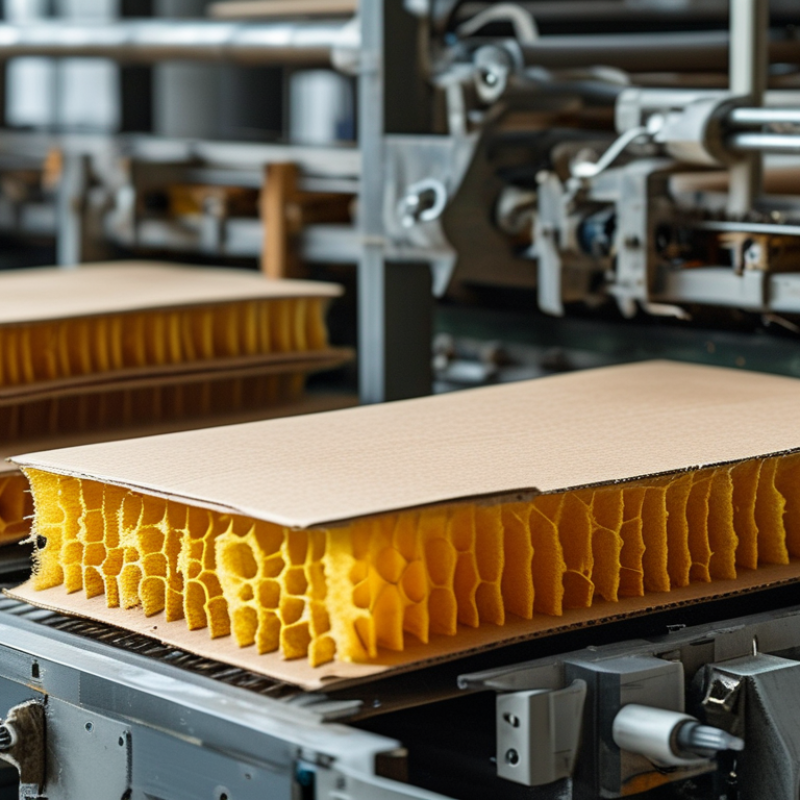
A fully automatic honeycomb mailer line converts paper rolls into protective mailers with minimal manual handling. The process usually includes unwinding, tension control, adhesive application, honeycomb expansion, liner joining, folding, cutting, and sealing. Sensors monitor paper alignment and adhesive coverage during production. A PLC coordinates these stages, while servo motors control length and positioning.
Grand View Research estimated the global e-commerce Packaging Market at about USD 68.9 billion in 2023. Its report also projects continued growth through 2030. This demand supports automated paper-based protection, but honeycomb mailers remain a specialized segment. Smithers’ e-commerce packaging research highlights lightweight protection, curbside recyclability, and efficient material use as major development priorities. Actual output depends on paper width, cell size, adhesive type, and operator settings. A line rated at 40–80 meters per minute may produce less in real conditions. Dust, uneven kraft paper, and glue temperature can reduce stability. Automation helps, but it is not magic.
Tips: Check tension control before checking speed. Request a trial using your actual paper grade. Measure finished mailer strength, cutting accuracy, and adhesive consistency. Do not judge a line only by its maximum speed. A slower, stable line may reduce waste and maintenance costs. Ask for production records, safety documentation, and spare-part availability. Independent testing is still wise.
Key Components and Their Functions
A fully automatic honeycomb mailer line depends on coordinated modules, not one impressive machine. The paper unwinder feeds kraft rolls at controlled tension. A dancer roller absorbs speed changes. This prevents wrinkles and uneven cells.
The forming unit expands or embosses the honeycomb structure. Servo motors keep the pitch stable. A PLC synchronizes feeding, cutting, folding, and sealing. Photoelectric sensors detect paper edges and missing material. The adhesive system applies narrow, consistent glue lines. Too much glue adds weight and slows curing. Too little glue weakens the mailer. The cutter then sets repeatable lengths, while the folding unit shapes the protective envelope. A stacking module counts finished Padded Mailer Bags without manual sorting.
Smithers’ Future of E-Commerce Packaging to 2028reports continued growth in Protective Packaging demand, driven by parcel shipments and product safety requirements. Its analysis also highlights pressure to reduce material use. This makes tension control and accurate cutting commercially important. PMMI packaging automation reports identify labor availability and consistent output as major automation drivers.The practical lesson is clear. Choose measurable control.
A line should also include emergency stops, guarded moving parts, fault alarms, and traceable production settings. Operators need access for cleaning and roll changes. In my experience, specifications often overlook glue maintenance. That is a mistake. A technically fast line can lose efficiency through blocked nozzles, unstable paper moisture, or poor changeover design. No machine is perfect. Trial production should test different kraft weights, humidity levels, seal strength, noise, waste percentage, and real operator handling before purchase.
How the Honeycomb Mailer Production Process Works
A fully automatic honeycomb mailer line from China typically begins with kraft paper roll loading. Tension controls keep the web stable as it enters the forming section. Precision rollers slit, stretch, and shape the paper into a honeycomb structure. The pattern expands carefully, creating cushioning without adding plastic.
The process continues with adhesive application and layer bonding. Sensors monitor glue coverage, paper alignment, and production speed. Too much adhesive can stiffen the mailer. Too little may weaken the seams. Operators check samples by hand, even when automation is high. That small habit often catches wrinkles that sensors miss.
After bonding, the line cuts sheets or forms finished envelopes. Folding units create side seams, flaps, and usable packing space. Some systems add a protective paper lining or a tear strip. Each setting needs adjustment for paper weight, humidity, and product size. In real production, the first batch is not always perfect. Edges may curl. Cutting accuracy may drift. Regular tensile tests, drop tests, and visual inspections provide more reliable evidence than speed alone. A documented maintenance plan also helps reduce unexpected downtime.
Material, Size, and Performance Specifications
Choosing the best fully automatic honeycomb mailer line from China requires more than comparing output speed. Material selection affects protection, machine stability, and packing costs. A practical line should process recyclable kraft paper, commonly between 80 and 120 GSM. Heavier paper improves cushioning, but it may reduce forming speed. The Padded Mailer Manufacturer should provide clear paper-width and thickness limits.
Size flexibility matters during daily production. A useful system can form mailers from small document envelopes to larger apparel packages. Check the adjustable length, width, flap depth, and sealing area. Dimensional tolerance should remain consistent, preferably within a few millimeters under stable conditions. Ask for sample production using your actual paper rolls. Catalog figures can look better than factory results.
Performance depends on more than the rated speed. A line claiming 60 meters per minute may run slower with thicker paper or complex sizes. Inspect the feeding system, honeycomb expansion control, adhesive application, cutting accuracy, and emergency stops. Automatic counting and fault alarms reduce operator errors. In my experience, a slower line with stable sealing often produces fewer rejected mailers. That matters.
Energy use, maintenance access, and spare-part availability deserve equal attention. Request records from similar installations, not only laboratory tests. Review noise levels, changeover time, and adhesive consumption. Some specifications remain unclear until commissioning. That is worth questioning. A reliable supplier should explain these limits plainly and support performance testing before acceptance.
How to Evaluate Chinese Honeycomb Mailer Line Manufacturers
Choosing the best fully automatic honeycomb mailer line from China starts with evaluating the manufacturer, not the machine brochure. Request a live factory video, production records, and a clear equipment layout. A reliable supplier should explain paper width, cell size, line speed, glue control, and power requirements in practical terms.
Ask for samples made with your intended Honeycomb Packing Paper. Check expansion, edge strength, cutting accuracy, and mailer consistency after storage. During a trial, measure output at normal speed, not only at the highest advertised speed. Inspect the control cabinet and safety guards. Experienced engineers should also explain maintenance intervals and common fault codes.
Supplier verification needs evidence. Review export experience, technician training, spare-parts availability, and written warranty terms. Contact recent customers when possible, and ask about installation delays or hidden costs. A lower quotation may exclude tooling, shipping preparation, software updates, or operator training. No manufacturer is perfect. Even a well-built line may need adjustment for different paper humidity and adhesive behavior. That detail is easy to overlook. A careful evaluation compares total operating risk, not just the purchase price.
Automation, Quality Control, and Production Efficiency
Best Fully Automatic Honeycomb Mailer Line from China?
Automation, Quality Control, and Production Efficiency
A fully automatic honeycomb mailer line should connect paper feeding, forming, cutting, folding, and sealing with minimal manual handling. The best setup is not always the fastest one. Stable output matters more than impressive peak speed.
Servo-controlled feeding helps maintain accurate paper tension. This reduces wrinkles, uneven honeycomb expansion, and seal misalignment. Sensors can monitor material presence, length, temperature, and machine stoppages. Operators should review these signals during every shift. Small errors grow quickly.
Quality control needs physical checks, not software alone. Inspectors can measure mailer length, opening strength, cushioning thickness, and adhesive coverage. Sampling should include products from the beginning, middle, and end of a production run. That reveals drift that one inspection may miss. Keep records.
Production efficiency also depends on changeover time. A line may run quickly but lose hours when switching sizes. Tool-free adjustments, clear settings, and accessible cleaning points make a measurable difference. Waste collection should be close to the cutting station. It keeps the floor safer and reduces interruptions.
No line runs perfectly. Paper humidity can change forming behavior, even inside a controlled workshop. A practical buyer should request a test using the intended paper grade and sizes. I would also question optimistic capacity figures. Real output includes setup, inspection, maintenance, and rejected pieces. That is where efficiency is honestly measured.
Installation, Maintenance, and After-Sales Support
A fully automatic Honeycomb Paper mailer line performs well only when installation is carefully controlled. Before delivery, technicians should confirm floor strength, electrical capacity, ventilation, and material storage conditions. The line needs level alignment, stable air pressure, and enough clearance for safe maintenance access. During commissioning, operators can test paper tension, adhesive flow, cutting accuracy, and sealing pressure with several sample runs.
Small details matter. A loose sensor bracket can cause repeated stops. Dust around the feeding rollers may create uneven folds. Daily cleaning should include rollers, guides, sensors, and glue nozzles. Weekly checks can cover belts, bearings, pneumatic lines, and emergency switches. Operators should record unusual noise, vibration, temperature, and paper waste. These records often reveal problems before production stops.
No installation is perfect. We once found that a workshop’s humidity changed the paper’s feeding behavior, despite correct machine settings. The supplier adjusted tension ranges and added operator training. Useful after-sales support should include remote troubleshooting, clear maintenance schedules, spare-parts guidance, and practical video instructions. Response times should be defined before purchase, including escalation procedures for electrical, mechanical, and software faults. On-site service remains important when alignment or control-system issues cannot be solved remotely. Regular service reviews also help identify repeated failures, operator mistakes, and design improvements.
FAQS
: It converts paper rolls into protective mailers with limited manual handling. Typical stages include unwinding, gluing, expansion, folding, cutting, and sealing. Sensors monitor alignment and adhesive coverage. A control system coordinates the process.
Some lines are rated at 40–80 meters per minute. Actual output may be lower. Paper width, cell size, glue temperature, setup time, and rejected pieces affect production. Peak speed is not everything.
Check mailer length, cushioning thickness, opening strength, and adhesive coverage. Inspect samples from the beginning, middle, and end of production. One inspection may miss gradual changes. Keep records.
Servo-controlled feeding helps maintain paper tension and accurate positioning. Sensors can detect material presence, temperature, length, and stoppages. These controls may reduce wrinkles and sealing errors. Small errors grow quickly.
Dust, uneven paper, humidity, and incorrect glue temperature can disrupt forming. Loose sensor brackets may cause repeated stops. Dusty rollers can create uneven folds. Automation is not magic.
Request a trial with the intended paper grade and mailer sizes. Measure cutting accuracy, adhesive consistency, cushioning thickness, and finished strength. Review real production records. I would question optimistic capacity figures.
The workshop needs adequate floor strength, electrical capacity, ventilation, and storage space. The machine also needs level alignment and stable air pressure. Leave clear access for maintenance. Space matters.
Clean rollers, guides, sensors, and glue nozzles daily. Inspect belts, bearings, pneumatic lines, and emergency switches weekly. Record unusual noise, vibration, temperature, and paper waste. These records reveal problems early.
Confirm remote troubleshooting, maintenance instructions, spare-parts guidance, and video training. Define response times before purchase. Ask when on-site service is available. Support details are easy to overlook.
Conclusion
A Fully automatic honeycomb mailer line is an integrated production system designed to convert paper materials into lightweight, protective, and recyclable honeycomb mailers with minimal manual intervention. The line typically includes paper feeding, printing or coating, honeycomb forming, laminating, shaping, cutting, folding, gluing, and packing units. Each component works in sequence to create consistent cushioning structures, accurate dimensions, and reliable sealing performance. By adjusting material grades, paper weights, mailer sizes, and forming parameters, manufacturers can produce packaging suitable for different product categories and shipping requirements.
The production process should be evaluated through material compatibility, output capacity, dimensional accuracy, compression strength, surface quality, and waste control. When selecting Chinese manufacturers, buyers should review equipment configuration, customization capability, factory experience, quality inspection procedures, automation level, and production efficiency. A dependable supplier should also provide clear installation guidance, operator training, preventive maintenance plans, spare parts availability, remote troubleshooting, and responsive after-sales support. These factors help ensure stable operation, lower downtime, and consistent long-term packaging performance.