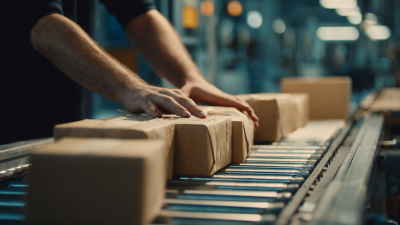
In today’s fast-changing world of commerce, there’s no denying that Wrapping And Packaging play a huge role—not just in making products look good, but also in how customers perceive them. I read somewhere that the global market for packaging is expected to hit a staggering $1 trillion by 2024—talk about growth! This really highlights how important it is for businesses to pick the right packaging solutions. Industry experts like Dr. John Harrison even say that good packaging does more than just protect products; it also boosts your brand’s image.
Lately, there’s been a real buzz around sustainable packaging options. Turns out, around 72% of consumers are more likely to buy products that come with recyclable packaging—pretty impressive, right? But, honestly, many companies struggle to find eco-friendly options that fit their needs. Moving towards greener materials can spark some real innovation, but it’s not something you just do overnight; it takes ongoing effort and commitment. Businesses really need to think carefully about what kind of Packaging Makes sense for them.
On top of that, adopting new technologies can make wrapping faster and cut down on waste. That said, it’s often a balancing act—trying to keep costs down while being eco-conscious. As the packaging industry continues to grow, companies should stay proactive—exploring best practices for wrapping and packaging and keeping the environment in mind at the same time.
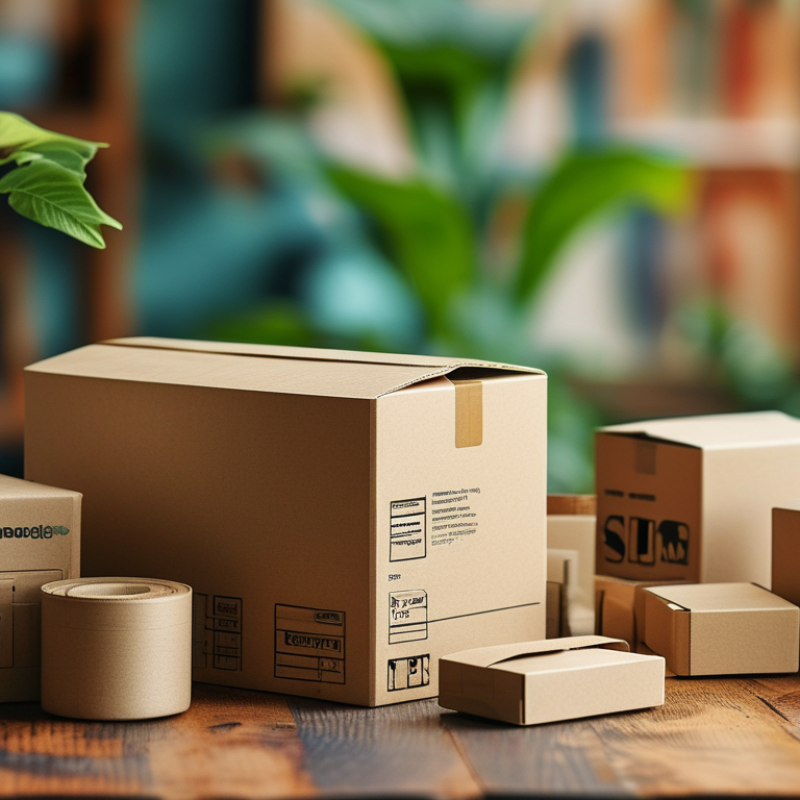
Choosing the right wrapping solutions for different products can be challenging. Products vary widely in shape, size, and fragility, which influences the Wrapping And Packing choices. For instance, fragile items require soft padding. Using bubble wrap or foam inserts can prevent breakage. Meanwhile, durable items might need simple cardboard boxes.
Innovative materials are making a difference. Biodegradable wraps are ideal for environmentally conscious buyers. These materials provide protection while reducing waste. Still, they might not be as sturdy for heavy items. Moreover, transparent wraps offer visibility while ensuring safety. Their effectiveness for light and medium-weight products is undeniable.
Yet, the quest for the perfect wrapping solutions often comes with its challenges. Finding the right balance between cost and quality can be tough. Not all materials provide the same level of protection. Buyers must weigh options carefully. Some solutions might be over-engineered, resulting in excess material. Others could be too flimsy for effective protection. Observing market trends can guide better decisions in wrapping and packing.
In today's global shipping landscape, packaging materials play a crucial role in ensuring products reach their destinations safely. A recent study by Smithers Pira highlights that the global packaging market is projected to reach $1 trillion by 2024. This growth signifies the importance of selecting the right materials for effective wrapping and protection.
Corrugated cardboard is a prevalent choice due to its strength and recyclability. It accounts for approximately 30% of all packaging material used worldwide. Plastic films remain another essential option. Their flexibility offers superior protection against moisture and damages during transit. Yet reliance on plastic raises sustainability concerns. The industry must balance protection with eco-friendly practices.
Innovative materials, like biodegradable options, are gaining traction. They are designed to reduce environmental impact. However, these alternatives often come with higher costs and variable performance. Companies must weigh these factors carefully. The evolving requirements of global buyers demand ongoing adaptation to new packaging solutions, merging efficiency with environmental responsibility.
Innovative packaging techniques are crucial for enhancing product protection. With the rise of e-commerce, global buyers need reliable solutions. Using advanced materials can significantly reduce damage during transit. Techniques like vacuum sealing and bubble wraps help in safeguarding fragile items.
Tips: Consider the weight of your package. Lighter packaging materials can lower shipping costs. Evaluate the type of items being shipped. Bulky items may need reinforced packaging.
Exploring eco-friendly options is also a priority. Biodegradable materials are gaining traction in the Paper And Packaging industry. These materials can provide adequate protection while minimizing environmental impact. However, balancing sustainability with durability remains a challenge.
Incorporating innovative designs can add value too. Custom boxes can fit products perfectly, reducing movement inside during transportation. This helps maintain product integrity. Remember, not all packaging solutions are created equal. Evaluate what truly works for your specific needs.
As buyers increasingly prioritize sustainability, the demand for eco-friendly packaging is rising. This shift requires that businesses reconsider their wrapping solutions. Traditional materials are often not biodegradable, contributing to growing waste in landfills. Sustainable options, however, can provide the same level of protection without harming the environment.
For instance, Bubble Wrap And Packaging made from recycled materials are gaining popularity. These innovations not only serve their purpose but are also kinder to the planet. Buyers might be surprised by how effective biodegradable alternatives can be. Each step towards sustainable choices helps reduce our carbon footprint, but the journey isn't without challenges.
It's important to note that fully embracing sustainability can be complex. Not all eco-friendly materials perform identically to traditional packaging. Some options may lack durability, leading to potential product damage. This highlights the need for continuous improvement and careful selection. Striking the right balance between protection and sustainability can be difficult, but it's a crucial endeavor in today's market.
In the competitive world of packaging, customization plays a crucial role. Buyers are increasingly looking for unique solutions that reflect brand identity. Custom packaging can elevate a product's appeal and make it stand out on store shelves. Consumer preferences often shift, making it essential for businesses to adapt. Eye-catching designs and tailored sizes resonate more with potential buyers.
Choosing the right materials is equally important. Eco-friendly options are gaining traction. Sustainable packaging not only shows commitment to the environment but also attracts eco-conscious customers. Many brands are experimenting with textures and finishes to create a memorable unboxing experience. This tactile engagement can drastically enhance customer satisfaction and encourage loyalty.
However, achieving the ideal balance between functionality and aesthetics can be challenging. It’s important to reflect on the effectiveness of each customization choice. Ensuring that the packaging protects the product while also being visually appealing requires constant refinement. Gathering feedback can lead to valuable insights that enhance future design efforts. Investing in thoughtful customization is key to capturing attention in a crowded marketplace.
Businesses often face the challenge of balancing quality with cost when it comes to wrapping and packaging. Finding cost-effective solutions can enhance their bottom line. Simple materials, like kraft paper, can provide sturdy protection without hefty prices. Choosing eco-friendly options, such as biodegradable wraps, can attract environmentally conscious customers. These approaches reflect a commitment to sustainable practices while managing expenses.
In the realm of Manufacturing And Packaging, innovation is key. Utilizing local suppliers can reduce shipping costs and minimize delays. Custom sizes also help cut down waste, saving money in the long run. However, the journey isn’t always smooth; some businesses may experience difficulties sourcing reliable materials on a tight budget. Regularly revisiting procurement strategies can yield new insights.
Creativity is essential to overcome packaging challenges. Experimenting with different designs can elevate a brand’s presentation without breaking the bank. However, businesses often overlook the importance of testing new materials and methods. Sometimes, initial attempts may not meet expectations. Gathering feedback from customers can provide valuable insights for improvement. The road to effective wrapping solutions is an evolving process.
Packaging design is evolving rapidly in the global market. According to a report by Smithers Pira, the global packaging market is set to reach $1 trillion by 2024. This growth reflects changing consumer preferences and technological advancements. Sustainability remains a top trend, with 55% of consumers willing to pay more for eco-friendly packaging.
Minimalism in design is another significant trend. Simple, clean designs often attract attention. Consumers prefer straightforward communication of product benefits. Furthermore, smart packaging technology is gaining traction. Interactive labels can provide more information, enhancing user experience. Yet, challenges persist. Balancing aesthetics with functionality can be difficult. Some brands struggle to find sustainable materials that also meet performance criteria.
The packaging landscape is competitive. Continuous innovation is necessary. Brands must adapt to shifting market demands. Those who neglect trends risk losing relevance. The packaging industry must reflect on how design can impact consumer choices. Engaging designs are crucial for standing out in a crowded market.
: Consider the product's shape, size, and fragility. Fragile items need padding and durable items may require simple boxes.
They provide protection while reducing waste. They appeal to eco-conscious buyers but may not support heavy items.
Not all eco-friendly materials perform as well as traditional ones. Some lack durability, risking product damage.
Customized packaging enhances brand identity and product appeal. Unique designs can attract more customers and encourage loyalty.
Recycled materials and biodegradable alternatives are gaining traction. They serve their purpose while being kinder to the planet.
Packaging must protect products while being visually appealing. Feedback helps improve designs for better effectiveness.
It helps in understanding trends and making informed decisions. Careful weighing of options is essential for success.
Adapting to shifting preferences and experimenting with unique textures can enhance customer satisfaction.
Excess material may increase costs without providing additional protection. Finding the right balance is crucial.
The evolving market demands better performance and sustainability. Ongoing refinement helps meet these expectations.
In today's competitive market, effective wrapping and packaging solutions are essential for global buyers seeking to protect their products during transit. Different types of products require tailored wrapping strategies that encompass various key packaging materials, ensuring durability and efficiency. Furthermore, innovative packaging techniques are increasingly being adopted to enhance product protection while appealing to environmentally conscious consumers through sustainable options.
Customization plays a crucial role in attracting customers, allowing businesses to differentiate their offerings in a crowded marketplace. For budget-conscious enterprises, there are cost-effective wrapping strategies that balance quality with affordability. Lastly, staying informed about the latest trends in packaging design can give businesses a significant advantage, ensuring they meet consumer expectations while maintaining a focus on functionality and aesthetics in their wrapping and packaging solutions.