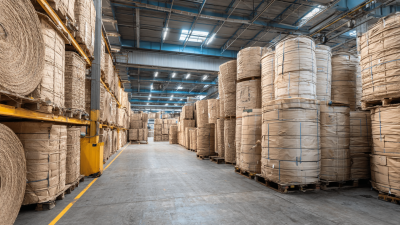
In today’s global marketplace, picking the right Packing Material is pretty key if you want your sourcing game to go smoothly. Take a company like XYZ Corp — they pretty much depend on good packaging to keep their stuff safe during shipping. The kind of packing material you choose can really affect your costs, how safe your products are, and how happy your customers end up being.
There are plenty of options out there—everything from simple cardboard boxes to biodegradable, eco-friendly materials. Each has its ups and downs, you know? For instance, cardboard is cheap and easy, but it’s not always the most durable. On the other hand, plastic can be super strong, but it’s not exactly eco-friendly. So, businesses need to weigh what they need against the possible consequences of their choices.
And here's something interesting—packing materials also say a lot about a company’s brand values. Going for sustainable options can really resonate with eco-conscious customers. But making that switch isn’t always a breeze. It might cost more upfront or throw some supply chain curveballs your way. Honestly, deciding what’s best isn’t always straightforward — you’ve gotta think about both the short-term wins and the long-term goals.

Understanding the Importance of Packing Materials in Global Sourcing
When it comes to global sourcing, packing materials play a crucial role. The right packing can protect products during long journeys. From cardboard boxes to biodegradable options, choosing wisely matters. Incorrect choices might lead to damaged goods, increased costs, or unhappy customers. The material you select influences not only the safety of your products but also your brand’s reputation.
Evaluate the options available to you. Lightweight materials can save on shipping costs, but they may not provide sufficient protection. Heavy-duty packing might ensure safety but could hike transportation expenses. Think critically about balancing cost with safety. This is an area where many businesses struggle. Consider testing different materials with smaller shipments before committing to larger orders.
Ensure that your packing materials align with environmental standards. Eco-friendly options are increasingly favored by consumers. Using sustainable materials can boost your brand's image and appeal. Finding a reliable supplier can make a significant difference. Check certifications and reviews to ensure their quality. Remember, every decision about packing materials can reflect on your company’s values.
Types of Packing Materials Used in Global Sourcing
When considering packing materials for global sourcing, it's essential to explore various types available. Cardboard boxes are a popular choice for their lightweight nature and adaptability. They can be customized to fit different product dimensions. However, they might not be sufficient for fragile items, raising concerns about damage during transit.
Foam and Bubble Wrap offer excellent protection against shocks and vibrations. These materials cushion delicate items, making them safer to transport. Nevertheless, they can be wasteful and take longer to decompose, which highlights a potential environmental concern. Using biodegradable alternatives could mitigate this issue, but they may not always provide the same level of protection.
Additionally, wooden crates are suitable for heavy goods and machinery. They are robust and can withstand rough handling. Yet, their weight can increase shipping costs. It's important to weigh the pros and cons of each type of packing material. Adjusting for the specific needs of the product and the shipping journey is vital for an effective packing strategy.
Evaluating Cost-Effectiveness of Packing Materials
When assessing packing materials for global sourcing, cost-effectiveness is crucial. According to a 2022 report by the International Packaging Association, logistical costs can account for up to 30% of the total supply chain expenses. Choosing the right packing material can significantly reduce these costs. For instance, lightweight materials like corrugated cardboard can minimize shipping fees while still providing adequate protection for products during transit.
However, cost isn't the only factor to consider. Sustainable packing options are gaining traction. Research indicates that 60% of consumers prefer brands that use eco-friendly materials. This shift can lead to better brand loyalty and potentially higher sales. Nonetheless, sustainable materials may come with a higher upfront cost, raising concerns about their short-term economic feasibility. Businesses face a dilemma: invest in sustainable packing or opt for cheaper options that may not align with consumer preferences.
In addition, not All Packing materials provide the same level of protection. Fragile items may require specific types of cushioning, which could increase expenses. Companies must consider the potential trade-offs between material cost and product damage rates. A thorough analysis of these factors is essential for making informed decisions. Balancing immediate cost savings with long-term brand reputation is vital for successful global sourcing strategies.
Sustainability Considerations in Packing Material Choice
Sustainability is a key factor when selecting packing materials for global sourcing. It’s essential to prioritize eco-friendly options. Traditional materials like Styrofoam and plastic are harmful. In contrast, biodegradable and recyclable materials are gaining traction. These alternatives help reduce waste and minimize the carbon footprint.
Choosing sustainable materials can also enhance brand image. Consumers are more conscious of environmental impacts. They prefer companies that align with their values. Using materials like recycled cardboard or biodegradable packing peanuts can resonate well with eco-aware customers. This consideration adds value to products and builds trust.
Tips for sustainable packing include exploring locally sourced materials. Local options often have a lower carbon footprint. You can also minimize excess packaging. Using right-sized boxes reduces waste. Consider reusable packing materials as a long-term investment. Prioritizing sustainability can drive innovation in packing strategies and improve operational efficiency.
What is the Best Packing Material for Global Sourcing? - Sustainability Considerations in Packing Material Choice
| Packing Material | Sustainability Rating | Renewability | Recyclability | Cost-effectiveness |
| Kraft Paper | High | Yes | Yes | Moderate |
| Biodegradable Plastics | Moderate | Yes | No | Higher |
| Recycled Cardboard | High | Yes | Yes | Moderate |
| Bubble Wrap (Recycled) | Moderate | No | No | Higher |
| Cornstarch Packing Peanuts | High | Yes | Yes | Higher |
Impact of Packing Materials on Product Safety and Integrity
Choosing the right packing material is crucial for product safety and integrity. In global sourcing, products travel long distances. During transit, they face various challenges. Factors like temperature fluctuations and physical impact can compromise product quality. Proper packing can mitigate these risks effectively.
The right material not only protects items from damage but also prevents contamination. For instance, biodegradable materials reduce environmental impact while offering adequate protection. Using bubble wrap or foam for fragile items can absorb shocks. Choosing corrugated cardboard boxes adds structural strength. Each material has its pros and cons, making selection vital.
For effective packing, consider the following tips. First, assess your product's fragility. Fragile items need extra cushioning. Next, think about the shipping conditions your products will face. Extreme temperatures or moisture can affect some materials. Finally, always test packaging in real-world conditions. This will identify potential weaknesses before shipping. Evaluating and refining your packing strategies ensures product integrity.
Regional Regulations Affecting Packing Material Selection
When considering packing materials for global sourcing, regional regulations play a crucial role. Different countries impose unique requirements for packaging. For example, some regions mandate eco-friendly materials to minimize environmental impact. This regulation drives businesses to adopt biodegradable options, ensuring compliance.
Additionally, weight restrictions can vary greatly. Heavier packaging may incur higher shipping costs, particularly in regions with strict weight limits. Therefore, lightweight yet durable materials are often preferred. Importantly, safety regulations also influence choices. Some materials may be deemed unsafe for food contact in specific regions. Companies must remain vigilant to avoid fines and shipping delays.
Navigating these regulations can be challenging. It often requires continual research and adaptation. Businesses must engage with local experts to ensure their selected materials align with current laws. This is where the importance of reliable partnerships becomes evident. Reevaluating packing material choices regularly keeps companies ahead of compliance challenges.
Future Trends in Packing Materials for Global Sourcing
The future of packing materials in global sourcing is evolving rapidly. Innovations in sustainable materials are gaining traction. According to a report from Smithers Pira, the global market for sustainable packaging is projected to reach $500 billion by 2025. This shift primarily stems from increasing consumer demand for eco-friendly options. Companies are now more inclined to use biodegradable and recyclable materials to minimize their environmental impact.
Emerging technologies are also influencing packing materials. The rise of smart packaging solutions enhances the ability to monitor product conditions during transit. For instance, temperature-sensitive indicators can prevent spoilage in perishable goods. However, adapting to these advanced solutions requires investment and technical expertise, which could pose challenges for some companies.
Consider using recyclable materials when sourcing. They not only reduce waste but also resonate with environmentally conscious consumers. Evaluate suppliers based on their commitment to sustainability. Additionally, stay informed on regulations regarding packing materials in different markets. Continuous learning and adaptation will be key to staying competitive as trends shift. Successful sourcing in the future demands a combination of sustainability and innovation.
FAQS
: Packing materials protect products during transit and influence a brand's reputation. Incorrect choices can lead to damage and unhappy customers.
Consider product fragility, shipping conditions, and material strength. Test different materials in real-world scenarios to find the best match.
Eco-friendly materials can enhance your brand image and appeal to consumers who value sustainability. It also reduces environmental impact.
Lightweight materials can save costs but may compromise safety. Balance cost with protection while considering heavy-duty packing when necessary.
Smart packaging helps monitor product conditions in transit. Technologies like temperature indicators can prevent spoilage but require investment.
Testing packaging in real-world conditions helps identify weaknesses. It ensures products remain safe during transit before committing to larger shipments.
Ensure suppliers have quality certifications and positive reviews. Their commitment to sustainability is also essential in today’s market.
Adopting advanced options requires investment and technical expertise. Not all companies may have the resources to implement these solutions successfully.
Conclusion
In the context of global sourcing, the choice of packing material plays a critical role in ensuring product safety, cost-effectiveness, and sustainability. Various types of packing materials are utilized, ranging from traditional options like cardboard and plastic to more innovative solutions aimed at reducing environmental impact. Evaluating these materials involves not only their cost but also compliance with regional regulations that govern their use, which can vary significantly across different markets.
Moreover, sustainability considerations are increasingly influencing decisions about packing materials, prompting businesses to adopt eco-friendly options that meet both environmental standards and consumer expectations. As global sourcing evolves, future trends suggest a shift towards more biodegradable and recyclable materials, enhancing product integrity while supporting sustainable practices. Ultimately, the selection of appropriate packing material is essential for optimizing supply chain efficiency and maintaining product quality throughout the global distribution process.