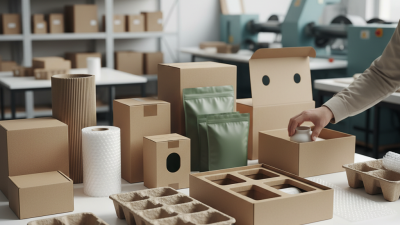
Global e-commerce has turned Protective Packaging into a real cost issue—not just some tiny purchasing detail you can ignore. According to the Pitney Bowes Parcel Shipping Index 2024, global parcel volume hit 161.8 billion shipments in 2023. And every single parcel still needs protection from drops, vibration, compression, and moisture. That’s a lot of pressure, and it has made reliable Void Fill Solutions from China much more interesting to buyers. Chinese manufacturers now offerPaper Void Fill, Air Pillows, molded pulp, kraft paper rolls, and recyclable hybrid systems.
Performance matters way more than pretty catalog photos. A capable supplier should be able to explain material density, recycled content, machine speed, roll length, and carton compatibility—without dodging the details. Buyers should also ask for drop-test records and compression-test results. These details tell you whether the solution actually protects glass bottles, electronics, cosmetics, or small mechanical parts. The International Safe Transit Association offers widely recognized testing guidance for packaged products, and its procedures can help make supplier comparisons more consistent.
Sustainability matters just as much. Smithers’ packaging market research highlights material efficiency, recyclability, and e-commerce growth as major industry drivers. But “green” claims can be pretty vague. So ask for evidence: recycled-content declarations, fiber certifications, and clear disposal instructions. China offers competitive pricing and broad manufacturing capacity, but quality can vary from factory to factory. That’s the uncomfortable part. The cheapest option may end up creating more damage, waste, and customer complaints later. A careful sourcing process should look at samples, production controls, export experience, and after-sales support. No supplier is perfect. The best choice balances protection, automation, verified data, total cost, and realistic environmental goals.
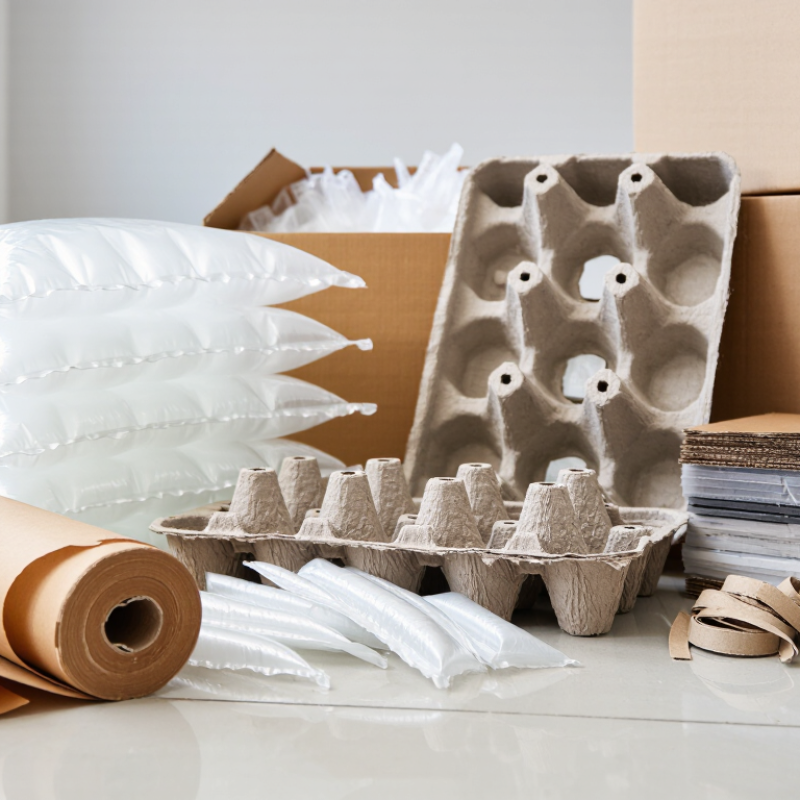
China manufactures a broad range of Void Fill solutions for e-commerce, electronics, furniture, and industrial shipments. Common options include kraft paper, air pillows, foam profiles, corrugated inserts, molded pulp, and recyclable paper honeycomb. Each type serves a different protection need.
Kraft paper is practical for wrapping gaps around books, bottles, and small appliances. It is easy to recycle and works well with manual packing stations. Air pillows provide lightweight cushioning for large cartons with fragile contents. Foam profiles protect corners, edges, and long components during repeated handling. Corrugated inserts keep products separated, especially when several items share one box. Molded pulp offers shaped protection for products that need a firm internal cradle.
During supplier evaluations, I look beyond material price. I check compression performance, moisture exposure, production consistency, and carton fit. A reliable Chinese manufacturer should provide samples, material specifications, inspection records, and clear production tolerances. Small details matter. Uneven paper width can slow packing. Weak seals can reduce air retention. Poorly fitted inserts may leave movement inside the carton.
The best choice depends on product weight, shipping distance, packing speed, and disposal expectations. Paper may suit brands reducing plastic use, while foam can offer stronger edge protection. There is no perfect solution. Some materials perform well but increase storage volume. Testing real cartons remains essential, because laboratory results may not reflect rough warehouse handling.
Chinese void fill products commonly use kraft paper, recycled paper, air film, EPE foam, and molded pulp. Each material protects goods differently during transport.
Kraft paper is flexible and recyclable. A Void Fill Machine can crumple it into cushioning pads or paper ropes within seconds. Recycled paper is cost-effective, but its strength may vary between batches. Honeycomb paper expands around bottles, ceramics, and irregular items. It feels firm without adding much weight.
Air pillows usually contain polyethylene film. They offer strong volume with low material use, although sharp edges can puncture them. EPE foam provides reliable shock absorption for electronics and fragile components. Molded pulp uses pressed fibers and suits products that need shaped support. Starch-based loose fill is lightweight, but humidity can affect its performance.
Material selection should match product weight, box size, and shipping distance. Test a packed carton with drop, compression, and vibration trials. Small details matter, such as paper moisture and sealing quality. In factory inspections, checking roll width and film thickness can prevent uneven packing. Not every recycled material performs consistently. That deserves attention.
Some suppliers combine paper cushioning with air film for better protection. This can reduce empty space inside the carton. However, mixed materials may complicate recycling. Packaging teams should verify local disposal requirements and request current material specifications. A practical trial often reveals more than a product brochure.
Choosing void fill from China requires more than comparing unit prices. Protection should be measured through drop, vibration, and compression tests, preferably under ISTA procedures. Air Pillow Void Fill is lightweight and fast to install. It can protect a ceramic cup inside a double-wall carton, but sharp edges may puncture the film. Crinkle paper and molded pulp resist punctures better, although they occupy more storage space. Cost follows volume.
Sustainability needs practical evidence. The OECD’s Global Plastics Outlook reported 353 million tonnes of plastic waste worldwide in 2019. Packaging represented about 40% of global plastic use. Therefore, suppliers should disclose film thickness, recycled content, and recycling instructions.
The World Bank’s What a Waste 2.0 estimated 2.01 billion tonnes of municipal solid waste annually. Local collection access matters more than attractive material claims. A recyclable cushion is not sustainable if no nearby facility accepts it.
Landed cost tells the real story. Request pricing for material, inflation equipment, cartons, labor, freight, and damaged shipments. Paper may cost more per kilogram but reduce disposal concerns. Air Pillow Void Fill can lower freight weight and warehouse space. However, it needs an air machine and reliable power. Ask Chinese manufacturers for test reports, batch specifications, factory audit records, and sample trials. I have seen low-cost packaging fail because measurements ignored humidity and carton movement. That mistake is easy to repeat. Compare results from identical 1-meter drops, not promises.
China offers diverse Void Fill Material options, from recycled paper and honeycomb cushioning to air pillows and EPE foam. The right choice depends on product weight, shipping distance, moisture exposure, and recycling targets. China’s State Post Bureau recorded more than 132 billion parcels in 2023, creating strong demand for scalable protective packaging. That volume also encourages suppliers to improve automation and material consistency.
Leading Chinese manufacturers often provide converting, printing, and packaging assembly under one supply arrangement. Buyers can request sample rolls, compression tests, drop tests, and moisture evaluations before approving production. Recycled paper systems suit lightweight cartons and automated packing lines. Air cushions reduce warehouse volume. Foam remains useful for fragile products with irregular shapes. Smithers’ protective packaging research identifies e-commerce and sustainability as major market drivers through the decade.
Check more than the quoted unit price. Ask about recycled content, roll density, carton strength, tooling charges, minimum order quantities, and export documentation. A lower price can hide inconsistent thickness or excessive packaging waste. That assumption is risky. Supplier audits and batch inspections add cost, but they reduce unpleasant surprises. China’s manufacturing advantage is not only low-cost production; it is the ability to combine material sourcing, equipment access, and rapid customization. Still, every specification should be tested with the actual product. A sample that survives one warehouse drop may fail after a wet ocean shipment.
What Are the Best Void Fill Solutions from China?
Quality should be verified before price is compared. Common options include kraft paper, air cushions, molded pulp, and corrugated inserts. Each material protects products differently. Paper performs well for lightweight goods and supports easy recycling. Air cushions save storage space but need reliable sealing. Molded pulp suits fragile items with defined shapes. Ask suppliers for material thickness, recycled content, compression results, and batch inspection records. Testing against recognized methods, such as ISTA procedures, can reveal weak points before shipment.
Customization makes the solution more useful. Suppliers can adjust paper width, perforation spacing, cushion size, insert geometry, and carton fit. Share product drawings, weight, dimensions, and drop-test requirements. A practical sample should travel through your actual packing line. It should also survive stacking, vibration, and humidity. No sample is perfect. A design that protects a ceramic cup may waste space around electronics. That mistake is easy to miss.
Export planning needs equal attention. Confirm carton dimensions, pallet patterns, moisture protection, labeling, and documentation before production. Check whether the packaging material meets destination recycling and import requirements. Request clear inspection photos and retain approved samples. Incoterms, lead time, and replacement procedures should appear in writing. Some buyers focus heavily on unit cost. That can be shortsighted. Excessive packaging may increase freight charges, while weak protection can create expensive returns. A small pilot order offers useful evidence, although it cannot predict every seasonal shipping condition.
Typical bulk-density ranges help buyers compare material efficiency during packaging design and export planning. Lower-density solutions generally reduce shipment weight, while paper and molded-pulp options offer easier fiber-stream recycling. Final selection should also consider compression performance, moisture protection, customization, carton fit, and destination-country packaging requirements.
The ranges shown are indicative industry values and can vary according to material grade, structure, moisture content, and manufacturing process.
Selecting the best void fill solution from China starts with the shipment, not the material. Measure product fragility, carton size, shipping distance, humidity, and packing speed. A lightweight ceramic item may need molded paper cushioning, while spare parts often suit recyclable air pillows or kraft paper. During packaging trials, I check corner impact, product movement, and unpacking time. A box that looks efficient can still fail after repeated handling.
Use evidence, not appearance. ISTA testing procedures can simulate drops, vibration, and compression before commercial shipping. The U.S. Environmental Protection Agency reported 82.2 million short tons of containers and packaging waste in 2018, with only 28.1% recycled. This data supports reducing unnecessary material and selecting formats that local systems can process. Yet “recyclable” does not always mean recyclable everywhere. China-based suppliers should provide material specifications, recycled content data, and consistent batch samples. Perfect choices are rare.
Tips:
That extra step may seem excessive, but one damaged shipment costs more than careful validation.
Common options include kraft paper, air pillows, foam profiles, corrugated inserts, molded pulp, and paper honeycomb. Each material supports different products and shipping conditions.
Kraft paper works well around these products. It fills gaps, wraps surfaces, and suits manual packing stations. It is also easy to recycle.
Air pillows provide lightweight cushioning inside larger cartons. They reduce storage volume before inflation. However, weak seals may cause air loss during handling.
Foam profiles protect corners, edges, and long components. They suit irregular products and repeated handling. The material can require more storage space.
Corrugated inserts separate several products inside one carton. Molded pulp creates a firm, shaped cradle. Fit matters. Loose inserts allow damaging movement.
Request samples, material specifications, inspection records, and production tolerances. Check compression strength, moisture exposure, carton fit, and production consistency.
Not always. A low price may hide uneven thickness, weak seals, or excessive waste. Audit costs feel inconvenient, but they can prevent larger losses.
Test the actual product inside its real carton. Include compression, drop, moisture, and warehouse-handling checks. One laboratory result is not enough.
Long-distance shipments need stronger protection against vibration, compression, and moisture. A carton surviving one dry drop may fail after ocean transport. Testing can still miss something.
No perfect solution exists. Paper may support recycling goals, while foam may protect edges better. The right choice depends on weight, speed, distance, storage, and disposal needs.
Choosing the best Void Fill Solutions from China requires balancing product performance, environmental impact, cost, and supply reliability. Common options include kraft paper, molded paper, air cushions, foam, corrugated inserts, and biodegradable loose-fill materials. Each solution offers different levels of cushioning, flexibility, storage efficiency, and suitability for various product sizes and shipping conditions. Material selection should consider recycled content, recyclability, durability, and the protection needed against movement, impact, vibration, and moisture.
Chinese manufacturers can provide standardized products as well as customized dimensions, shapes, printing, and packaging configurations. When comparing suppliers, buyers should review quality control systems, product testing, production capacity, communication standards, and export experience. Clear specifications, sample approval, consistent inspections, and suitable documentation can help reduce purchasing risks. The ideal Void Fill Solutions should protect products effectively while supporting sustainability goals and maintaining an acceptable total cost, including materials, storage, transportation, labor, and disposal.