Inquiry
Form loading...
0%

So, you're thinking about swapping out Bubble Wrap for something greener — but honestly, it's not as simple as just trading plastic for paper. You've got to find something that actually protects the product, fits the box nicely, and doesn't cause a headache when it comes to recycling or disposal. Over in China, folks can choose between paper honeycomb wrap, corrugated cushioning, molded pulp, or even loose recycled-paper fill. And here's the kicker: each one reacts completely differently when your package takes a tumble, gets squished, or ends up in a damp environment. It's a bit of a balancing act, really.

You know, it's the little things that really count when you're packing stuff. Take a glass jar—it needs a snug molded-pulp insert, no doubt about that. On the other hand, a lightweight appliance? Folded corrugated pads usually do the trick just fine. Now, Paper Honeycomb is great because it expands around edges and corners, but man, it takes forever to pack. Then there's recycled paper fill—super easy to adjust, but it tends to shift if the box is way too big. Honestly, there's no perfect choice; it all depends on what you're shipping.

So, this guide walks you through a few key things—protection, material use, how fast you can pack, and what happens when the packaging's life is over. On top of that, we'll get into the nitty-gritty of what you should ask Chinese suppliers. Like, what's the material made of? What sizes do they offer? Can you get samples to test? And do those performance claims actually have data behind them? Here's a practical tip before you dive in: always grab samples before you commit to changing your entire packaging line. And don't just test them in a lab—use your actual product and the shipping carton you'll really be using.

So, that part is actually pretty useful. I mean, eco-friendly packaging definitely helps cut down on all that conventional plastic cushioning we rely on, but just slapping the “eco-friendly” label on something doesn't automatically mean it's better for the environment. You've gotta think about the whole picture—recycling access, how it's transported, whether products get damaged, and how much extra material you're using. Like, if you go with a paper option and it ends up breaking during shipping, that might actually create more waste than you started with. Not exactly what you'd call progress, right? So, the comparison down below is meant to help you pick wisely—though, honestly, some of these suggestions will probably need tweaking once you actually try them out in the real world.
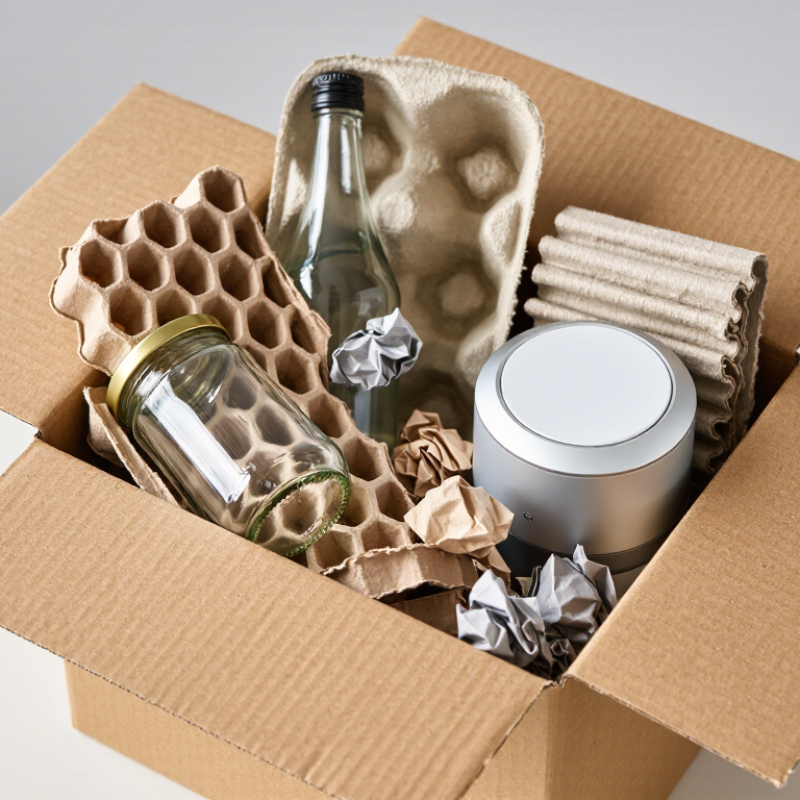
China Best Eco Friendly Alternative to Bubble Wrap?

China’s Eco-Friendly Bubble-Wrap Alternatives: Materials and Selection

Replacing bubble wrap starts with the product, not the material label. The OECD’s Global Plastics Outlook estimates that packaging generated about 40% of global plastic waste in 2019. That figure makes cushioning worth reconsidering, but no substitute is automatically greener. A fragile ceramic mug needs different protection from a soft garment.

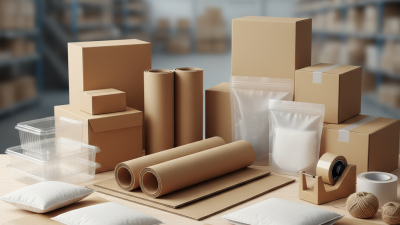
For small, lightweight goods, crumpled kraft paper can fill gaps and wrap edges. Molded-pulp trays hold items in fixed positions, while corrugated honeycomb sheets cushion heavier products. Paper options are often easier to sort, but coatings, tape, and food residue can complicate recycling. Check local collection rules. Starch-based loose fill dissolves in water, yet moisture-sensitive parcels may make it a poor fit. Reusable fabric sleeves can reduce single-use packaging when customers actually return or reuse them.

Selection should reflect drop risk, parcel size, shipping distance, and end-of-life access. Test a packed sample with realistic handling: shake the box, check for movement, and inspect corners after a drop. A lighter package may save material but offer too little cushioning. That trade-off is easy to miss. Compare damage rates and material use across trial shipments, then adjust the design. The best choice can vary by product and destination.

Paper Cushioning: Eurostat’s 83.2% EU Paper-Packaging Recycling Rate, 2022

Eurostat reported an 83.2% recycling rate for paper packaging in the EU in 2022. That figure makes paper cushioning an appealing alternative to plastic bubble wrap, but it describes a regional packaging stream, not a guarantee that every used sheet gets recycled. Local collection rules and contamination still matter. A clean, dry paper pad is easier to sort than one stained with oil or mixed with food waste.

Paper cushioning can be crumpled kraft paper, folded sheets, or molded inserts that hold an item away from the carton walls. For a ceramic mug, tightly packed paper can limit movement during a short drop test; for a heavy metal part, it may compress too quickly. Test the actual product, box, and shipping route. Small detail, big difference.

Choosing Eco Friendly Packaging Solutions means weighing protection, material use, and end-of-life handling together. Paper is often easy for customers to recognize and separate, yet it can take more storage space and may require more material to match cushioning performance in some shipments. It is not automatically greener in every case. Track damage rates and packaging weight, then adjust paper density or box fit. The imperfect part is real: a recyclable pack that fails in transit wastes both product and material.

China’s Eco-Friendly Alternative to Bubble Wrap: Paper Cushioning

EU paper and cardboard packaging recycling rate, 2022

Eurostat reported that 83.2% of paper and cardboard packaging waste was recycled in the EU in 2022. This recycling rate provides context for paper-based cushioning as an alternative to bubble wrap.

Corrugated Inserts and Molded Pulp: Protection for Fragile Goods

Fragile goods need restraint, not simply more cushioning. Corrugated inserts hold products in fixed positions and reduce movement inside a carton. Folded channels can separate glass jars, ceramic components, or small appliances. A well-fitted insert keeps corners from striking the box walls. Fit matters. A loose insert may shift during transit, while an overly tight one can press against delicate edges. Test packed samples with realistic handling, including vibration and drops. Results depend on the product, carton, and shipping route.

Molded pulp forms around a product’s shape and can cushion uneven surfaces. It works well for items such as bottles, trays, and compact electronics, though thin sections may compress under heavy loads. Corrugated inserts are easier to adjust for different product sizes; molded pulp can provide a closer fit. Neither option solves every packaging problem. Eco Friendly Padded Mailers may suit lighter shipments, but rigid inserts often protect fragile items more reliably. Check material sourcing, coatings, and local recycling options before calling any package environmentally preferable. A practical detail is easy to miss: packaging that is recyclable in theory may not be accepted nearby. Testing can reveal that gap.

Starch-Based Loose Fill: EN 13432’s 90% Biodegradation Test in Six Months

For fragile parcels, starch-based loose fill can cushion a ceramic mug or glass jar without relying on conventional plastic foam. The small, lightweight pieces move around the item and absorb knocks during transit. But the environmental claim needs careful reading. EN 13432 evaluates packaging under controlled industrial composting conditions, not in a garden bin or roadside ditch.

The standard’s biodegradation benchmark is at least 90% within six months under specified test conditions. That figure describes a laboratory process, with managed heat, moisture, and microorganisms. It does not mean every starch-based filler disappears quickly wherever it is discarded. That distinction matters. Check whether the specific product has been tested and certified, and follow local composting guidance. Some facilities may not accept packaging, even when it meets compostability requirements.

There are practical trade-offs, too. Loose fill can soften if exposed to moisture, and lightweight pieces may scatter while a parcel is opened. I would test it with the actual product and shipping route before replacing bubble wrap entirely. It is not a perfect swap. Still, for suitable shipments and an available industrial composting route, starch-based fill can be a credible cushioning option. The certification supports a defined claim, not a blanket promise of zero impact.

Reusable Air Pillows and Textile Padding: Assessing Reuse and Material Use

Reusable air pillows and textile padding should be judged by completed trips, not by the word “reusable.” An air pillow is light and compact before inflation, and an intact one may protect another parcel. Textile padding can handle repeated use, but it may add shipping weight, occupy storage space, or need cleaning. A return route, a dry shelf, and staff time all affect whether reuse happens. Sometimes the simplest system gets ignored.

The OECD’s Global Plastics Outlook reports that only 9% of plastic waste was recycled globally in 2019. The U.S. EPA reports a 53.9% recycling rate for containers and packaging in 2018, a broader category than protective cushioning. These figures are not directly comparable. That gap matters. For Eco Friendly Mailers, track each material’s weight, reuse trips, damage rates, and disposal route. A pillow reused once may still lose to lighter padding shipped many times, but assumptions need testing. A small parcel trial can reveal crushed corners, damp textile, or pillows discarded after opening. Those inconvenient results belong in the assessment.

Verify Transit Protection with ISTA 3A Parcel-Delivery Testing

Replacing bubble wrap with paper cushioning or molded-fiber inserts only helps if the parcel still arrives intact. ISTA 3A evaluates packaged products moving through parcel-delivery systems, generally weighing 70 kg or less. Its test sequence can simulate drops, vibration, and compression; the selected procedures depend on the package type. Test the actual product in its production carton, using the intended packing method. Record product damage, carton dents, and how much the cushioning shifts. Small details matter. A loose item can turn promising Eco Packaging into costly breakage.

Compare the alternative with the existing pack under the same conditions. ISTA testing offers useful evidence, but cannot reproduce every route, handling error, or seasonal condition. Retest after changing the carton or cushioning. The U.S. EPA’s Advancing Sustainable Materials Management report estimated that containers and packaging generated 82.2 million tons of U.S. municipal solid waste in 2018, or 28.1% of the total. That figure shows the scale of packaging waste, not that any specific material is greener. Check recycled content, local recycling options, and material used per shipment. Paper cushioning may also add weight. The first test may look good, but it is worth questioning whether the result holds across different packers and parcels.

FAQS

Which materials can replace bubble wrap for small products?

Crumpled kraft paper can wrap edges and fill gaps around lightweight items. Molded-pulp trays hold products in place.

What works for heavier items?

Corrugated honeycomb sheets can cushion heavier products. Test the packed item, since weight and shape affect protection.

Is starch-based loose fill suitable for every parcel?

No. It dissolves in water, so moisture-sensitive shipments may be a poor fit.

How should I choose a cushioning material?

Consider drop risk, parcel size, shipping distance, and local disposal options. A soft garment and a ceramic mug need different protection.

How can I check whether a package protects its contents?

Pack a realistic sample, shake the box, and check whether the item moves. Drop it, then inspect the corners. Small test first.

Are reusable air pillows and textile padding always better?

Not always. Count actual reuse trips and include storage, cleaning, return shipping, and staff time in the assessment.

What should I track during a packaging trial?

Record material weight, reuse trips, damage rates, and disposal routes. A small parcel trial may reveal crushed corners or discarded pillows.

Are paper alternatives always easy to recycle?

They may be easier to sort, but coatings, tape, and food residue can complicate recycling. Check local collection rules.

Can a lighter package provide enough protection?

It may use less material but cushion too little. Compare damage rates across trial shipments; assumptions can be wrong.

Conclusion

Choosing an Eco-friendly alternative to bubble wrap depends on the product’s fragility, shipping conditions, and whether the packaging can be recycled, composted, or reused. Paper cushioning can fill empty space and protect items, while Eurostat reported that 83.2% of paper and cardboard packaging in the EU was recycled in 2022. Corrugated inserts and molded-pulp components offer shaped support for fragile goods and can reduce the need for loose cushioning.

Starch-based loose fill is another option; under EN 13432 testing, packaging must meet a 90% biodegradation threshold within six months under specified composting conditions. Reusable air pillows and textile padding may help limit material use when they are collected and used again. Whatever the choice, assess protection as well as environmental considerations: ISTA 3A parcel-delivery testing can help evaluate how a packed product withstands typical shipping hazards.
Oliver

Oliver

Oliver is a dedicated marketing professional at Hangjia Machinery, where he plays a pivotal role in promoting the company’s innovative packaging solutions tailored for the rapidly expanding e-commerce sector. With extensive expertise in fully automatic packaging machines, Oliver focuses on products......
Previous How to Choose a Luxury Packaging Production Line?