Inquiry
Form loading...
0%

So, China's bag-making industry is no joke – it has to keep up with everything from food packaging to retail, logistics, and even industrial stuff. This guide walks you through ten Chinese manufacturers that make ISO-certified bag machines. But hey, don't just take the brochure at face value. When you're actually checking these machines, you really need to look at the nitty-gritty: how consistent are those seals, how fast can it run, what materials can it handle, how quick is the changeover, and, honestly, how easy is it to get service when things break down. You know, a machine can look all shiny and impressive in a showroom, but the real test is whether it can keep a steady seal through a long, grueling production run. That's what actually matters in the end.

You know that old saying, 'Quality is everyone's responsibility'? That's from W. Edwards Deming, the quality guru. And honestly, that mindset applies to picking machinery too. When you're in the market for a bag making machine, you don't just take the seller's word for it. You've got to dig into their documented quality controls, ask for sample runs – see if they'll actually let you test the thing – and check exactly which ISO certifications they really have. Just because they slap 'ISO standard bag making machines' on their website doesn't mean it's certified for that specific standard. The fine print matters, big time.

When you're comparing options, you also have to consider whether a maker can actually configure their equipment for something like an Air Column Bag. That's where film handling and seal integrity really show up in the finished samples—you can see it right away. But honestly, no ranking system is going to replace a visit to the factory or a careful technical review. Things change, and published specs might not always tell you the whole story about what a machine can't do. Honestly, evaluations are never perfect, so you kinda have to do your own homework—check the latest models, ask around for references, and see what after-sales support they actually offer before you commit to anything.
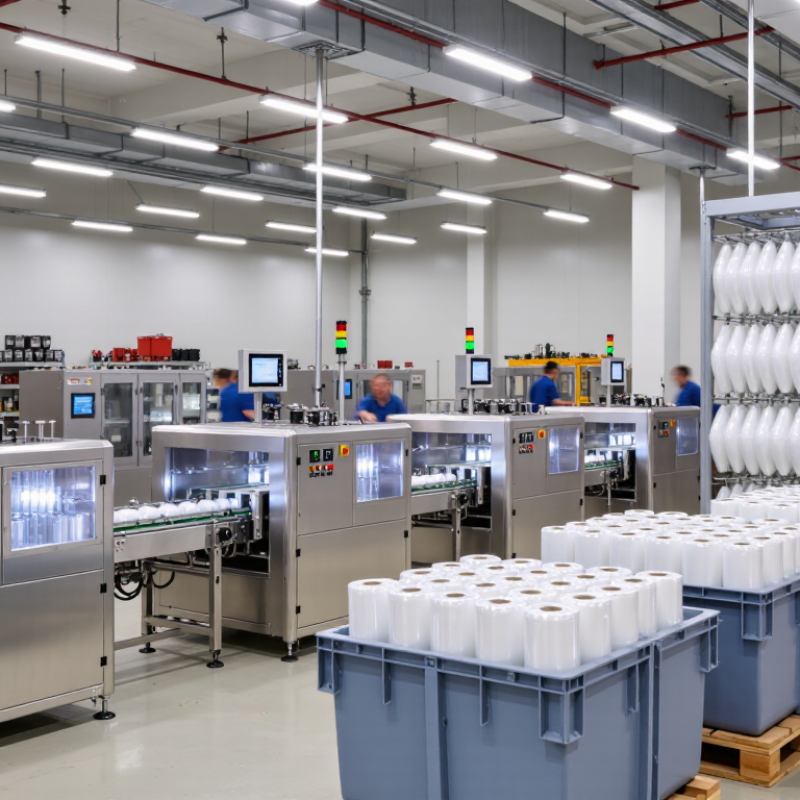
China Top 10 ISO Standard Bag Making Machine Manufacturers

Understanding ISO Standard Bag Making Machines and Their Applications

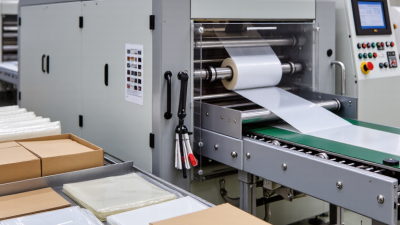
ISO-standard bag-making machines are production systems, not a single machine category. They convert film or other flexible materials into bags through feeding, sealing, cutting, and sometimes printing. ISO 9001 addresses quality management; it does not certify a machine’s output. ISO 12100 provides a framework for machinery risk assessment and risk reduction. Buyers should still check local safety requirements and verify performance using real production trials.

Applications range from retail carrier bags and refuse liners to courier mailers and Air Bag Packaging. Each use demands different seal strength, dimensions, and material handling. For example, a courier mailer needs a reliable side seal, while a thin liner may require careful tension control to avoid wrinkles.

The OECD’s Global Plastics Outlook (2022) estimated that packaging generated 40% of global plastic waste in 2019.

That figure makes material efficiency worth measuring, not assuming. Track scrap rate, seal failures, and changeover time alongside output speed. Fast is not always better. A machine that runs quickly but produces inconsistent seals can waste film and interrupt packing lines. Specifications look neat on paper; actual results can vary with film thickness, operator skill, and maintenance.

How ISO Standards Shape Bag Machine Design and Production

ISO standards influence a bag-making machine long before its first roll of film enters the line. ISO 12100 guides risk assessment, prompting designers to examine nip points, hot sealing jaws, and moving cutters. ISO 13849-1 helps engineers design safety-related control systems, including interlocks and emergency stops. These requirements can affect guard placement, wiring, and access for cleaning or maintenance. Small details matter.

Quality standards shape production, too. ISO 9001 supports controlled processes, documented inspections, and traceability; it certifies a quality management system, not a machine’s performance. The ISO Survey 2022 reported 1,265,216 valid ISO 9001 certificates across 189 countries. That figure covers many industries, not bag-machine manufacturers alone. Still, it shows how widely structured quality systems are used. On a factory floor, consistent checks can catch a drifting seal temperature or a misaligned cutter before defects spread. Records help teams investigate, though paperwork cannot replace skilled operators. Standards can also feel rigid when procedures ignore real maintenance conditions. Designers and production teams need to review them against the machine’s actual use.

China Top 10 ISO Standard Bag Making Machine Manufacturers - How ISO Standards Shape Bag Machine Design and Production

Key ISO standards relevant to bag-making machinery design, safety, and production quality

No. ISO standard Primary focus Relevance to bag-making machines Typical design or production consideration
1 ISO 9001 Quality management systems Provides a framework for controlling design, purchasing, assembly, inspection, and corrective actions. Documented design reviews, traceable inspection records, controlled work instructions, and processes for handling nonconforming parts.
2 ISO 12100 Machinery safety risk assessment and risk reduction Guides manufacturers in identifying hazards across machine life cycles, including operation, adjustment, cleaning, and maintenance. Assess risks around film feeding, cutting, sealing, rollers, and access points; reduce risks through inherently safer design, safeguards, and information for use.
3 ISO 13849-1 Safety-related parts of control systems Addresses the design and integration of control-system functions that reduce machinery risks. Safety functions such as guard monitoring or safe stopping need an appropriate design and validation based on the risk assessment.
4 ISO 13850 Emergency-stop function Sets principles for emergency-stop design as a complementary protective measure on machinery. Consider accessible actuators and a stop function suited to the machine; an emergency stop does not replace guards or other risk-reduction measures.
5 ISO 14119 Interlocking devices associated with guards Guides the selection and design of interlocking devices used with movable guards. Access doors or covers near hazardous motion may require interlocking; device selection should account for foreseeable defeat and operating conditions.
6 ISO 14120 General requirements for machinery guards Covers the design and construction of fixed and movable guards. Guarding can be applied around hazardous cutting, sealing, and drive components while considering strength, access, and maintenance needs.
7 ISO 13857 Safety distances to prevent hazard zones being reached Provides safety-distance guidance for limiting access to hazardous areas by upper and lower limbs. Use relevant distance guidance when designing openings, barriers, and clearances around moving components; assess the actual access conditions.
8 ISO 13855 Positioning of safeguards with respect to human approach Provides principles for positioning safeguards where approach speed and stopping performance affect protective distance. For applicable protective devices, the stopping time and the distance to the hazard are relevant to placement and verification.
9 ISO 4414 Pneumatic fluid power systems and components Addresses safety requirements for pneumatic systems and components on machinery. Consider pressure-related hazards, control of stored energy, component selection, and safe isolation during maintenance.
10 ISO 4413 Hydraulic fluid power systems and components Addresses safety requirements for hydraulic systems and components where used in machinery. Consider pressure hazards, hose and component selection, energy isolation, and maintenance procedures for any hydraulic functions.

Note: This table summarizes standards relevant to bag-making machinery; it does not rank or identify manufacturers. Applicability, editions, and regulatory status can vary by machine design and destination market. Using a standard alone does not establish that a machine complies with all applicable legal requirements.

Key Technologies Used in Modern Bag Making Machines

Modern bag-making machines combine servo drives, tension control, and digital registration to keep film or paper moving steadily. A photoelectric sensor reads printed marks, while a controller adjusts feed timing before each seal or cut. This matters on a fast line. Small timing errors can shift handles, weaken seams, or leave uneven edges. Operators can review alarms and settings on a touchscreen instead of guessing from finished bags. But screens are only useful when calibration and training are sound.

Heat-sealing systems use controlled temperature, pressure, and dwell time to bond compatible materials without scorching them. Some lines add ultrasonic sealing for specific nonwoven fabrics, reducing reliance on heated jaws. Vision inspection can flag missing prints, misplaced holes, or seal defects, then divert suspect pieces for checking. Energy-efficient motors and quick-change tooling can reduce idle time between product runs. Yet automation does not remove the need for practical checks. Dust, worn blades, and inconsistent roll tension still affect output. A useful machine specification should state material range, bag dimensions, speed under defined conditions, and changeover requirements. Numbers need context. Real trials with the intended material often reveal limitations that brochures may miss.

China’s Bag Making Machine Manufacturing Landscape

China’s bag-making machinery sector includes specialist workshops, regional factories, and larger engineering teams. That range matters. Manufacturers build equipment for paper, woven, and flexible-film bags, each with different forming, cutting, and sealing requirements. A line for Paper Bag Packaging may process kraft rolls and printed webs. Operators still adjust settings for different paper weights, handle styles, and bag dimensions.

In practical evaluations, buyers should look beyond headline speed. Ask how consistently a machine feeds material, controls dimensions, and handles changeovers. A sample run can reveal wrinkles, uneven seals, or glue marks that a polished brochure may not show. Useful evidence includes inspection records, spare-part lists, and training materials that match the actual control panel. Small details matter.

Manufacturing capability also depends on integration. A converter may need printing, handle attachment, and bag forming to work as one stable process. Some suppliers offer broad customization; others focus on a narrower machine range. Neither approach guarantees a better fit. Specifications may leave questions about service response, replacement parts, or operator learning time. These deserve direct discussion. Production capacity varies between facilities, and advertised performance figures may not explain test conditions. Check the assumptions behind them.

How to Evaluate China’s Top 10 Manufacturers

Evaluating China’s top 10 ISO standard bag-making machine manufacturers requires more than checking certificates. ISO’s 2023 Survey reported 1,265,216 valid ISO 9001 certificates across 189 countries and economies. This shows how widely quality-management systems are used; it does not prove that a particular machine will meet your production targets. Ask for the certificate’s scope, issuing body, and current validity. Then compare documented machine specifications with your bag material, dimensions, and required output.

Tips: Request a factory acceptance test using your film. Record running speed, bag dimensions, sealing consistency, scrap rate, and downtime. Keep the test conditions in writing.

A credible evaluation also includes a live production trial, component traceability, operator training, and a clear spare-parts plan. Watch the machine run long enough to reveal feeding or sealing variation; a short demonstration can look convincing. Ask for references from comparable installations, but verify them directly where possible. Review warranty terms and response times, not just the headline coverage. Independent inspection can help, especially when your team cannot visit the factory. Still, inspection reports are snapshots. Your own acceptance criteria should define what counts as a pass, and those criteria may need revision after real production begins.

Comparing Product Range, Quality, and After-Sales Support

When comparing China’s top 10 ISO standard bag making machine manufacturers, look beyond catalog size. Check which bag formats each machine can produce, including pillow-style designs, and whether changeovers require special tooling. A wider product range can be useful. But it may also mean more settings for operators to manage.

Ask for measurable quality details, not just claims. Review sample bags for consistent seals, straight cuts, and even dimensions. Request a production trial using material similar to yours. Pillow Bag Packaging may need different settings depending on film thickness and line speed. Small differences matter. A polished sample alone cannot show how a machine performs over a full shift, so ask how quality is monitored during continuous operation.

After-sales support deserves equal weight. Confirm commissioning, operator training, spare-parts availability, and typical response times in writing. Ask whether remote troubleshooting is available and what information technicians need when a fault occurs. A low purchase price can lose its appeal if a basic sensor takes weeks to replace. Still, comparisons have limits: test conditions and service coverage may differ between suppliers. I would treat any ranking cautiously and verify the details against your own production needs.

Choosing the Right Chinese Manufacturer for Your Production Needs

Choosing a Chinese bag-making machine manufacturer starts with your actual production brief, not a catalog speed. Record bag dimensions, film structure, daily output, and available floor space before requesting quotations. For an Air Bubble Bag line, ask how the machine controls forming temperature, film tension, and sealing consistency. Request trial footage using your own material, then inspect edge seals and bubble uniformity. Small defects become expensive during long shifts. A written acceptance test can define sample quality, output, and acceptable waste before shipment.

ISO references need careful checking. Ask which standard applies to the machine, which certificates cover the factory, and whether the documents remain valid. These are not interchangeable. Compare the electrical configuration, spare-parts list, installation scope, operator training, and technical support response time. Confirm quoted output under stated conditions; maximum speed alone can mislead. Include voltage, compressed-air needs, and changeover time in the discussion. If possible, speak with a current user producing similar bags. Not every supplier will have a perfect answer. That hesitation is useful data, though it should prompt specific follow-up questions.

China Air Pillow Film-Making Machine: A Smarter Path to Efficient, Protective Packaging

## China Air Pillow Film-Making Machine: A Smarter Path to Efficient, Protective Packaging

As online commerce expands, dependable protective packaging has become essential for moving goods safely and efficiently. UNCTAD reported that global e-commerce sales reached approximately US$26.7 trillion in 2019, highlighting the scale of demand for packaging across supply chains. For businesses in China, an Air Pillow Film-Making Machine offers a practical way to produce cushioning film on site and keep pace with day-to-day packing needs. Its fully automated operation supports rapid, consistent output while reducing manual work and production delays.

Efficiency also means managing packaging materials carefully. The OECD’s *Global Plastics Outlook* estimated that 353 million tonnes of plastic waste were generated worldwide in 2019, with only 9% ultimately recycled. This makes controlled production and appropriate use of film increasingly important. Designed to make high-quality air pillow film for protective packaging, the machine can help businesses produce cushioning as needed rather than depend entirely on pre-made stock. As a factory solution for modern packaging operations, it provides a reliable route to high-speed output, helping companies improve workflow, reduce labor demands, and protect products in transit.

FAQS

Does ISO 9001 certify a bag-making machine’s output?

No. It concerns quality management systems, not finished bags. Check machine performance through production trials.

What does an ISO 12100 assessment cover?

It provides a framework for machinery risk assessment and risk reduction. Buyers should also check local safety requirements.

Which bag types can these machines produce?

Depending on the equipment, they may produce retail bags, refuse liners, courier mailers, or paper bags. Each format needs suitable settings.

What should I check during a sample production run?

Look for wrinkles, uneven seals, straight cuts, and consistent dimensions. Use material similar to your production film or paper.

Why measure scrap rate as well as production speed?

Fast output can still create waste if seals fail or dimensions vary. Track scrap, seal failures, and changeover time.

How can I compare manufacturers in China?

Review relevant bag formats, inspection records, spare-parts lists, and training materials. Ask how advertised speeds were tested. Details matter.

What should after-sales support include?

Confirm commissioning, operator training, spare-parts availability, and response times in writing. Ask what information technicians need during troubleshooting.

Is a wider machine range always better?

Not necessarily. More formats can mean more settings for operators to manage. I might value flexibility too highly.

Can a polished sample prove full-shift performance?

No. Ask how quality is monitored during continuous operation. One good sample is only one moment.

Conclusion

ISO standard bag making machines are designed to support consistent production, reliable operation, and quality control across a range of packaging applications. Their design may reflect requirements for process management, safety, material handling, and inspection, while modern technologies such as automated feeding, precision sealing, digital controls, and monitoring systems can help improve efficiency and reduce variation. Understanding how these standards influence machine design and production helps buyers assess whether equipment suits their materials, bag formats, output targets, and operating environment.

China’s bag making machine sector offers a broad selection of equipment, making careful manufacturer evaluation essential. Buyers can compare product range, engineering capabilities, quality assurance practices, customization options, delivery terms, and after-sales support rather than relying on a single specification or price. Reviewing these factors against production needs can help identify a suitable partner and support a practical investment decision. A clear assessment of machine performance, service capacity, and long-term operating requirements is key to choosing the right manufacturer.

Charlotte

Charlotte

Charlotte is a dedicated marketing professional at Hangjia Machinery, where she leverages her extensive expertise in the packaging industry to enhance the company’s presence in the fast-growing e-commerce sector. With a deep understanding of fully automatic packaging machines, she plays a pivotal......
Previous China Best Eco Friendly Alternative to Bubble Wrap?