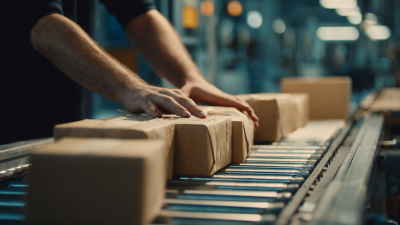
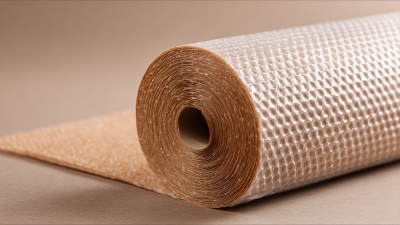
Hey, in today’s super competitive market, picking the right packaging isn’t just about looks — it’s actually vital for keeping products safe and making customers happy. I came across a report from the Freedonia Group that says demand for packaging options, like Voidfill Packaging (you can check it out here: https://www.hangjiamachinery.com/voidfill-packaging), is expected to skyrocket because of the booming e-commerce scene. This just shows how important good packaging is for avoiding damage while stuff makes its way to customers.
Voidfill Packaging has really stepped up as a go-to for boosting product protection. In fact, a survey by Packaging Strategies found that about 60% of companies have seen fewer returns thanks to better packaging choices. That’s a pretty clear sign that choosing the right Void Fill materials can really help protect goods and cut down on waste. But honestly, a lot of businesses still find it challenging to figure out the best solution that fits their particular products.
It’s worth taking a moment to understand all the little details that come into play when choosing Voidfill Packaging. Things like the size and fragility of the product, or how it’s being shipped — all these factors really matter. If you don’t carefully consider these aspects, you might end up wasting money or even damaging your products during transit. So, getting a good handle on these variables is key to making smarter, more informed choices.
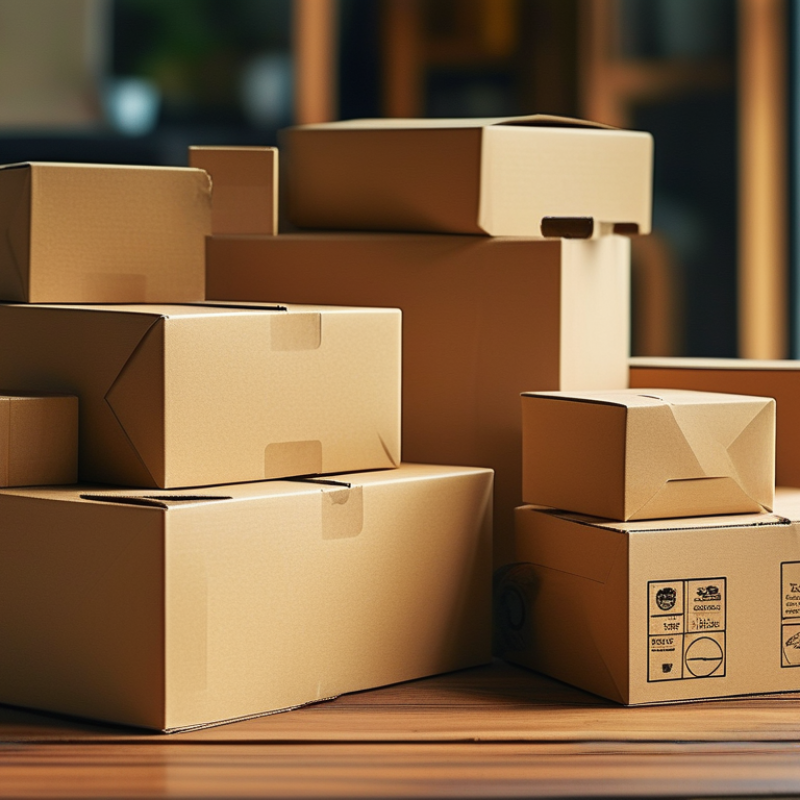
Understanding Voidfill Packaging: Definition and Purpose
Voidfill packaging plays a crucial role in protecting products during shipping and storage. It is designed to fill empty spaces in boxes, preventing items from shifting. When your products move during transit, damage can occur. Voidfill materials cushion items and reduce the risk of breakage. This type of packaging not only safeguards your products but also ensures customer satisfaction upon delivery.
Choosing the right voidfill packaging involves understanding your products' specific needs. Consider weight, fragility, and size. For fragile items, softer materials like air pillows or biodegradable options may work best. Heavier products often require sturdier supports, such as foam inserts or rigid fillers. Make sure to evaluate the packaging's environmental impact. Sustainable options are increasingly popular and reflect a commitment to responsible practices.
Taking the time to select effective Protective Packaging can lead to cost savings. Damaged goods not only result in returns but also affect your brand’s reputation. Every shipment is an opportunity to showcase quality. Test different packaging types to see what works best. Unexpected challenges may arise, but learning from these experiences can significantly improve your packaging strategy. Always aim for a balance of protection and efficiency.
Types of Voidfill Packaging: Foam, Paper, Air Pillows, and More
When selecting voidfill packaging, understanding the types available is crucial for product protection. Foam is a popular option. It absorbs shock well and conforms to various shapes. This adaptability makes it ideal for delicate items. However, foam can be bulky, which might increase shipping costs. Finding the balance between protection and cost is key.
Paper-based voidfill offers another alternative. It’s often recyclable and eco-friendly, making it a good choice for environmentally conscious businesses. Paper can be crumpled or molded to create custom spaces in your packaging. Still, it might not provide the same level of cushioning as foam. The right choice may depend on the item’s fragility and shipment distance.
Air pillows are lightweight and take up minimal space. They provide decent protection against impacts. Yet, they are prone to punctures, which can lead to wasted materials and ineffective cushioning. When considering air pillows, think about how your products will be handled during transit. The right voidfill packaging can save costs and reduce damage in the long run.
Factors to Consider When Choosing Voidfill Packaging
When choosing voidfill packaging, consider the size and weight of your products. Lightweight items may need less cushioning. In contrast, heavier products require sturdier materials. Ensure that your voidfill adequately protects against impact and vibration during shipping. The right Packaging Materials can mitigate damage, which is vital for customer satisfaction.
Environmental sustainability is another crucial factor. Many businesses now prioritize eco-friendly options. Using biodegradable or recyclable voidfill materials can enhance your brand's image. However, remember that not all eco-friendly options are equally effective. Test them out to see if they meet your shipping needs.
Cost is also a key consideration. High-quality voidfill packaging can be expensive, but cheaper options may lead to product damage. Focus on finding a balance between cost and quality. It can be tempting to prioritize savings, but sometimes that leads to more significant expenses down the line. Have a plan for evaluating the effectiveness of your chosen packaging materials over time.
Evaluating Product Size and Weight for Voidfill Solutions
Choosing the right voidfill packaging begins with evaluating the size and weight of your products. Industry data shows that over 30% of product damage occurs during transit. Proper voidfill can significantly reduce this risk. Measurements of your product's dimensions and weight are crucial. For lightweight items, minimal voidfill may suffice. However, heavier products often require more substantial cushioning.
Consider the shape of your products. Odd-shaped items may demand unique voidfill solutions. Air pillows, for example, can conform to different shapes, providing better protection. According to a 2022 packaging report, 45% of shippers reported that optimized voidfill reduced their shipping costs. Careful assessment of your product's requirements can lead to cost-effective decisions.
Think about these points. First, assess each product’s fragility. Second, anticipate its journey through the supply chain. Lastly, remember that not all voidfill is equal. Environmental factors may affect material performance. Testing different options in real scenarios can help refine your strategy. Proper voidfill is not just a choice; it’s an investment in your product’s safety.
Sustainability in Voidfill Packaging: Eco-friendly Options
Sustainability in voidfill packaging is crucial for modern businesses. As consumers become more eco-conscious, companies must adapt. Eco-friendly options are now available. One popular choice is Paper Packaging. It offers a biodegradable solution compared to traditional plastic fillers. Using Paper Packaging can reduce your carbon footprint significantly. It breaks down naturally, making it an ideal choice.
Choosing the right voidfill material may seem simple, but it requires consideration. Not all Paper Packaging options are created equal. Some may still involve harmful chemicals in the production process. Therefore, researching suppliers and understanding their practices is vital. Consider materials that are sourced sustainably and are fully recyclable.
Integrating eco-friendly voidfill solutions can be a journey. It may take time to find the best fit for your products. Experimenting with different options helps in assessing their effectiveness. Embracing sustainable practices is not just a trend; it’s essential for the future. Balancing efficiency and environmental responsibility can be a challenge, but it is worth the effort.
How to Choose the Right Voidfill Packaging for Your Products? - Sustainability in Voidfill Packaging: Eco-friendly Options
| Packaging Type | Material Used | Sustainability Rating | Cost (per unit) | Recyclability |
| Biodegradable Peanuts | Starch-based materials | High | $0.10 | Yes |
| Paper Fill | Recycled paper | High | $0.07 | Yes |
| Air Cushioning | Plastic film | Medium | $0.05 | No |
| Mushroom Packaging | Mycelium | Very High | $0.20 | Yes |
| Cornstarch Packing | Cornstarch-based polymer | High | $0.15 | Yes |
Cost Analysis: Budgeting for Voidfill Materials
When it comes to voidfill materials, cost is often a prime concern. Understanding your budget for voidfill is essential. Generic estimates can be misleading. You may find that cheaper options lead to higher expenses due to damages during shipping. It's crucial to analyze how these materials protect your products.
Let’s consider the real costs. While eco-friendly voidfill options might appear more expensive, they often reduce the risk of damage. Investing in high-quality Packaging Solutions can pay off in the long run. They enhance customer satisfaction and reduce returns. Analyzing metrics, like damage rates, can guide your budget.
Periodically review your voidfill strategy. Are you over-spending on materials? Are they effective in protecting your products? Balancing cost and quality requires ongoing evaluation. Drafting a flexible budget allows for adjustments. It’s important to refine your approach based on performance.
Best Practices for Implementing Voidfill Packaging Solutions
Selecting the right voidfill packaging is crucial for protecting your products during transit. It requires careful consideration of your items' nature and fragility. Soft materials like bubble wrap can provide excellent cushioning, while rigid options like foam may be better for heavier items. Understanding your products deeply will guide you in choosing the most effective solution.
When implementing voidfill solutions, keep these insights in mind. Ensure the material used matches your product's weight and dimensions. Opt for sustainable options where possible; consumers appreciate eco-friendly packaging. Regularly review and adjust your choices. Packaging needs may shift as your product line evolves.
Test your voidfill packaging regularly. Conduct drop tests to analyze performance. Are your items arriving intact? If not, it may be time to reconsider your choices. Always seek feedback from your logistics team and customers. Their experiences can provide valuable insights into your packaging effectiveness.
FAQS
: Proper evaluation helps reduce product damage during transit, which occurs in over 30% of cases.
Lightweight items may need minimal voidfill, but heavier products often require more cushioning for safety.
Odd-shaped items may need unique solutions like air pillows to ensure proper protection during shipping.
A 2022 report shows that 45% of shippers experienced lower costs by using optimized voidfill.
Assess product fragility, anticipate transport conditions, and recognize that not all voidfill materials perform the same.
Conduct drop tests and gather feedback from logistics teams to evaluate if products arrive intact.
Use soft materials like bubble wrap for delicate items and rigid materials like foam for heavier ones.
Yes, regularly reviewing your choices can adapt your packaging to evolving product lines and needs.
Absolutely, consumers value eco-friendly packaging, making it a thoughtful and strategic choice.
If damage persists, reassess and perhaps change your voidfill solutions to ensure better protection.
Conclusion
Voidfill Packaging plays a crucial role in protecting products during shipping and storage by filling empty spaces in packages to prevent movement and damage. Understanding the different types of voidfill options—including foam, paper, air pillows, and biodegradable materials—is essential for selecting the right solution for your specific needs. Factors such as product size, weight, and fragility must be carefully evaluated to ensure optimal protection, while also considering sustainability through eco-friendly alternatives.
Additionally, cost analysis is vital to budget effectively for voidfill materials without compromising on quality or protection. Implementing best practices in voidfill packaging can enhance shipping efficiency and reduce waste, ultimately leading to a more sustainable and cost-effective packaging strategy. By taking these aspects into account, businesses can make informed decisions that safeguard their products while being mindful of environmental impact.