In today's pretty competitive market, businesses really need to think carefully about the different Types Of Packaging they choose. Sarah Thompson, who’s a top expert from Packaging Innovations, pointed out that “the kind of packaging you pick can totally affect how customers see your brand and their loyalty to it.” That’s a good reminder of how crucial it is to pick the right packaging to show off a product’s true value.
Now, each type of packaging has its own job to do. Some are mainly about protecting the product, while others are more about making your brand stand out or being eco-friendly. For example, using sustainable, eco-friendly materials is a great way to catch the eye of environmentally-conscious shoppers. But honestly, not every business is all-in on that. Lots still stick with traditional packaging, which might not really hit the mark anymore with today’s consumers.
People often forget just how much packaging plays into the whole customer experience. Good-looking and practical packaging can really boost how customers engage with your product. Still, a lot of brands stick with outdated designs, missing out on fresh ways to connect with their audience. Thinking about all this can make a business realize that experimenting with different Types Of Packaging could actually be a game-changer for their market strategies and building stronger customer relationships.
The Role of Packaging in Brand Identity and Recognition
Packaging plays a crucial role in brand identity and recognition. When consumers see a product, the packaging often creates the first impression. Eye-catching designs and colors can evoke emotions, making the product memorable. A unique packaging style helps a brand stand out from competitors. It reinforces brand values and communicates the essence of what the product offers.
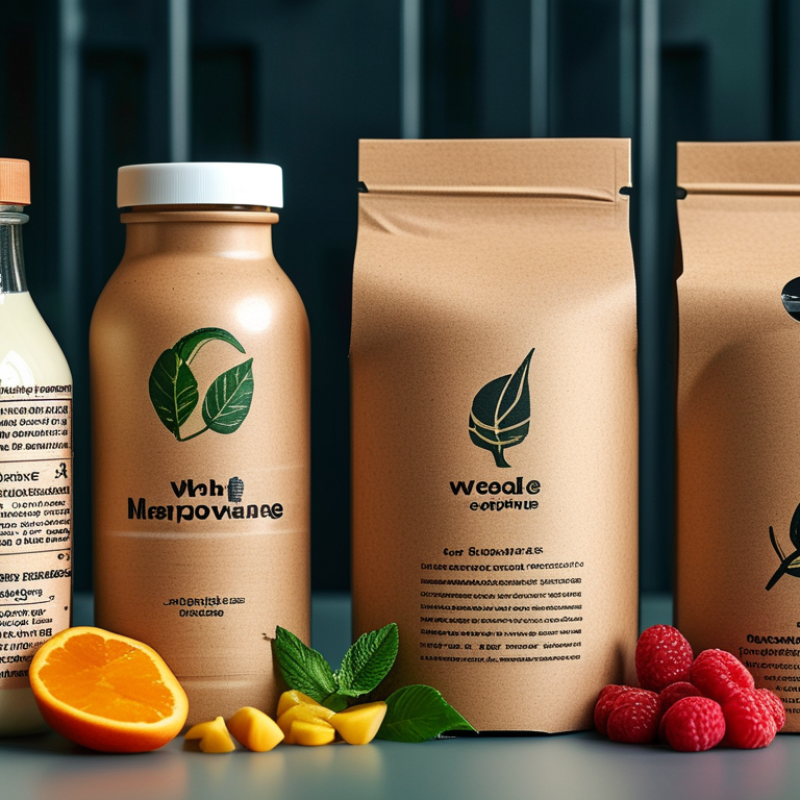
Different types of packaging can enhance this experience. For example, eco-friendly materials reflect a commitment to sustainability. This choice resonates with conscious consumers. It adds to the brand’s appeal while contributing to a positive image. Brands should consider how their packaging reflects their story and mission. Revisiting the design can ensure it aligns with current trends and consumer expectations.
Packaging Paper Types can greatly influence the perception of quality. Using high-quality materials can signify luxury and professionalism. However, brands must balance aesthetics with functionality. Too much focus on design may lead to compromised usability. Testing various designs can reveal what resonates most with customers. A thoughtful approach can turn packaging into a powerful branding tool.
Influence of Packaging on Consumer Buying Decisions and Behavior
Packaging plays a critical role in shaping consumer buying decisions. According to a report by the Paper And Packaging Board, approximately 72% of consumers feel that packaging design influences their purchasing choices. The visual appeal of a package can attract attention and create an emotional connection. Notably, 67% of shoppers say they are more likely to buy a product if the packaging is appealing.
Moreover, packaging serves more than aesthetic purposes. It communicates essential information, such as ingredients and usage instructions. A study from Nielsen reveals that 68% of consumers prefer brands that provide transparency through packaging. This need for reliable information fosters trust and brand loyalty. However, it’s important to note that over 30% of consumers have returned products due to misleading packaging, highlighting a gap that needs addressing.
Additionally, the sustainability of materials used is becoming increasingly influential. A 2022 study found that nearly 56% of shoppers are willing to pay more for eco-friendly packaging. This trend underscores the growing importance of responsible packaging practices in shaping consumer perceptions. While businesses invest in packaging, the challenge lies in balancing aesthetics, functionality, and sustainability effectively.
Types of Packaging Materials and Their Environmental Impact
Packaging plays a crucial role in product presentation and protection. Different Types Of Packaging Materials have varying environmental impacts. Some are biodegradable, while others contribute to pollution. For businesses, choosing the right material is essential. A sustainable option can enhance brand reputation and consumer trust.
Plastic Packaging remains prevalent but is notorious for its long-term environmental effects. It takes hundreds of years to decompose. On the other hand, alternatives like recycled paper and glass offer better sustainability. These materials are often viewed as more eco-friendly by consumers. However, they can be more expensive and less durable, requiring brands to find a balance.
Innovations in packaging materials are ongoing. Companies explore plant-based plastics and compostable films. While promising, these materials still require thorough evaluation. Understanding the full lifecycle of different types of packaging materials is vital. Businesses must reflect on their choices and their broader impact on the planet.
Environmental Impact of Different Types of Packaging Materials
Cost Analysis of Different Packaging Solutions for Businesses
When considering the cost analysis of packaging solutions, businesses face diverse options. Each type of packaging influences pricing, production, and shipping. A recent study indicates that personalized packaging can increase customer engagement by 40%. However, it often comes at a higher price point.
For instance, recyclable materials can lower disposal costs and appeal to eco-conscious consumers. Yet, these sources may require more expensive production processes. Research shows that companies using sustainable packaging could reduce costs by up to 30% in waste management. In contrast, traditional packaging solutions, such as plastic, might save upfront costs but can lead to larger expenses over time due to environmental regulations.
Analyzing the advantages and downsides of each packaging type is crucial. For instance, while Types Of Paper Bags offer cost-effectiveness and sustainability, they may not be suitable for all products. Choosing the right packaging involves balancing quality, cost, and customer perception. A misstep in this choice could result in lost revenue or damage to brand reputation. The evolving market demands a thoughtful approach to packaging as businesses navigate these complexities.
Packaging Innovations and Trends in the E-commerce Sector
Packaging has evolved significantly with the rise of e-commerce. Businesses face unique challenges in delivering products safely to consumers. This has led to a surge in innovative packaging solutions. Companies are increasingly focusing on sustainability and efficiency. The right packaging can reduce waste and enhance customer trust.
Trends show a shift toward Protective Packaging. This method offers durability and minimizes damage during transit. Bubble mailers and eco-friendly boxes are popular choices. These materials not only protect items but also appeal to eco-conscious consumers. However, some businesses struggle to balance cost and sustainability. Finding the right supplier can be a daunting task.
Creative packaging designs capture attention. Personalized boxes and vibrant designs can enhance brand identity. Yet, there is a risk of overdesigning. It may distract from the product itself. Simplicity often speaks volumes. In this evolving landscape, businesses must stay adaptable. Embracing change while learning from past packaging failures remains essential.
Regulatory Compliance and Safety Standards for Packaging
Regulatory compliance is crucial for businesses. Packaging must meet specific safety standards. This ensures consumer protection and fosters trust. Missteps can lead to severe consequences, both legally and reputationally. Companies must stay updated on ever-changing regulations. This can be a burden, but it is essential.
Different sectors have unique requirements. The food industry demands stringent measures to avoid contamination. For pharmaceuticals, tamper-proof features are critical. Meeting these standards confirms a brand's commitment to quality. However, achieving compliance can be a complex process. Some companies may struggle with understanding every detail of the regulations.
Emphasizing safety in packaging designs is not just a choice; it is also a necessity. Consumers expect products to be safe from the moment they leave the shelf. Failing to provide adequate protection can lead to harm and costly recalls. Mistakes in packaging can undermine years of hard work. Continuous education and training are vital in keeping teams informed. Creating a culture of compliance within an organization can improve overall safety awareness.
The Impact of Packaging on Supply Chain Efficiency and Logistics
The efficiency of supply chains heavily depends on packaging. Specific packaging types can reduce transportation costs and waste. According to a report from the World Packaging Organization, efficient packaging can cut logistics costs by up to 30%. Using proper materials and design minimizes space during transport. This results in lower shipping expenses and reduced carbon footprints.
Moreover, effective packaging plays a crucial role in protecting goods. A study by the Institute of Packaging Professionals found that 50% of products damage during transit are due to inadequate packaging. By optimizing packaging solutions, businesses can enhance product safety and reduce losses. This can lead to increased customer satisfaction, which is invaluable for brand loyalty.
However, not every packaging solution is perfect. Companies often face challenges in balancing cost and quality. Investing in high-quality materials can be more expensive upfront, yet the long-term benefits outweigh the initial costs. Additionally, adapting to new eco-friendly packaging trends can be daunting but essential. Failure to keep pace may result in lost market share. The evolving landscape of packaging demands constant reflection and adaptation from businesses.
FAQS
: Packaging significantly shapes consumer choices. About 72% of consumers find it influences their purchases.
Attractive packaging can grab attention. Around 67% of shoppers prefer products with appealing designs.
Transparency builds trust. 68% of consumers favor brands that clearly communicate ingredient and usage information.
Misleading packaging can lead to returns. Over 30% of consumers have returned products due to this issue.
Yes, sustainability matters. Nearly 56% of consumers are willing to pay more for eco-friendly packaging.
Each packaging type has varied costs. Personalized packaging boosts engagement but often is more expensive.
Recyclables can reduce disposal costs but may require higher production expenses. It's a trade-off.
They must balance quality, cost, and customer perceptions. Missteps can harm revenue and reputation.
Yes, while initially cheaper, traditional packaging may incur future costs due to environmental regulations.
Understanding pros and cons of each type helps in making informed choices. It prevents financial losses.
Conclusion
Packaging plays a crucial role in enhancing brand identity and recognition, making it a vital aspect for businesses. Different types of packaging not only influence consumer buying decisions and behaviors but also reflect the company's commitment to sustainability, especially with various packaging materials impacting the environment. Cost analysis of packaging solutions reveals that while innovative designs may increase initial investment, they often lead to improved customer engagement and sales.
Furthermore, the advent of e-commerce necessitates ongoing packaging innovations to meet consumer expectations for convenience and safety. Compliance with regulatory standards is essential to ensure that the packaging meets safety requirements, minimizing risks throughout the supply chain. Ultimately, effective packaging can significantly enhance supply chain efficiency and logistics, making it an indispensable component of business strategy.